

RedKalion
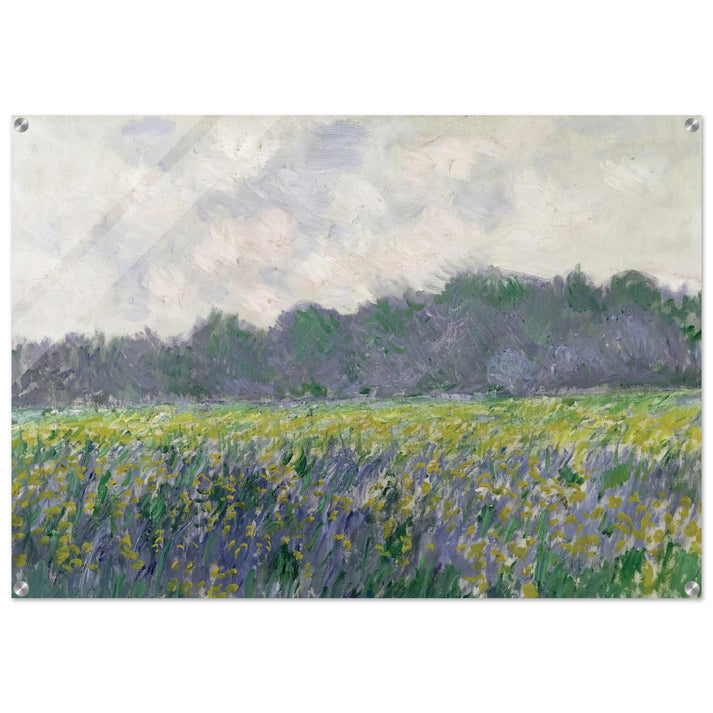
Field of Yellow Irises at Giverny - claude monet Acrylic Print - 70x100 cm / 28x40″ inches
Field of Yellow Irises at Giverny - claude monet Acrylic Print - 70x100 cm / 28x40″ inches
Couldn't load pickup availability
Claude Monet's Field of Yellow Irises at Giverny: A Museum-Quality Acrylic Print
Immerse yourself in the vibrant beauty of Claude Monet's Field of Yellow Irises at Giverny, now available as a premium acrylic print from RedKalion. This masterpiece captures the essence of Monet's iconic garden at Giverny, where he explored light, color, and nature in his later years. Painted around 1914-1917, this work exemplifies the Impressionist movement's focus on fleeting moments and atmospheric effects, with bold brushstrokes and a luminous palette that evoke a sense of serene abundance.
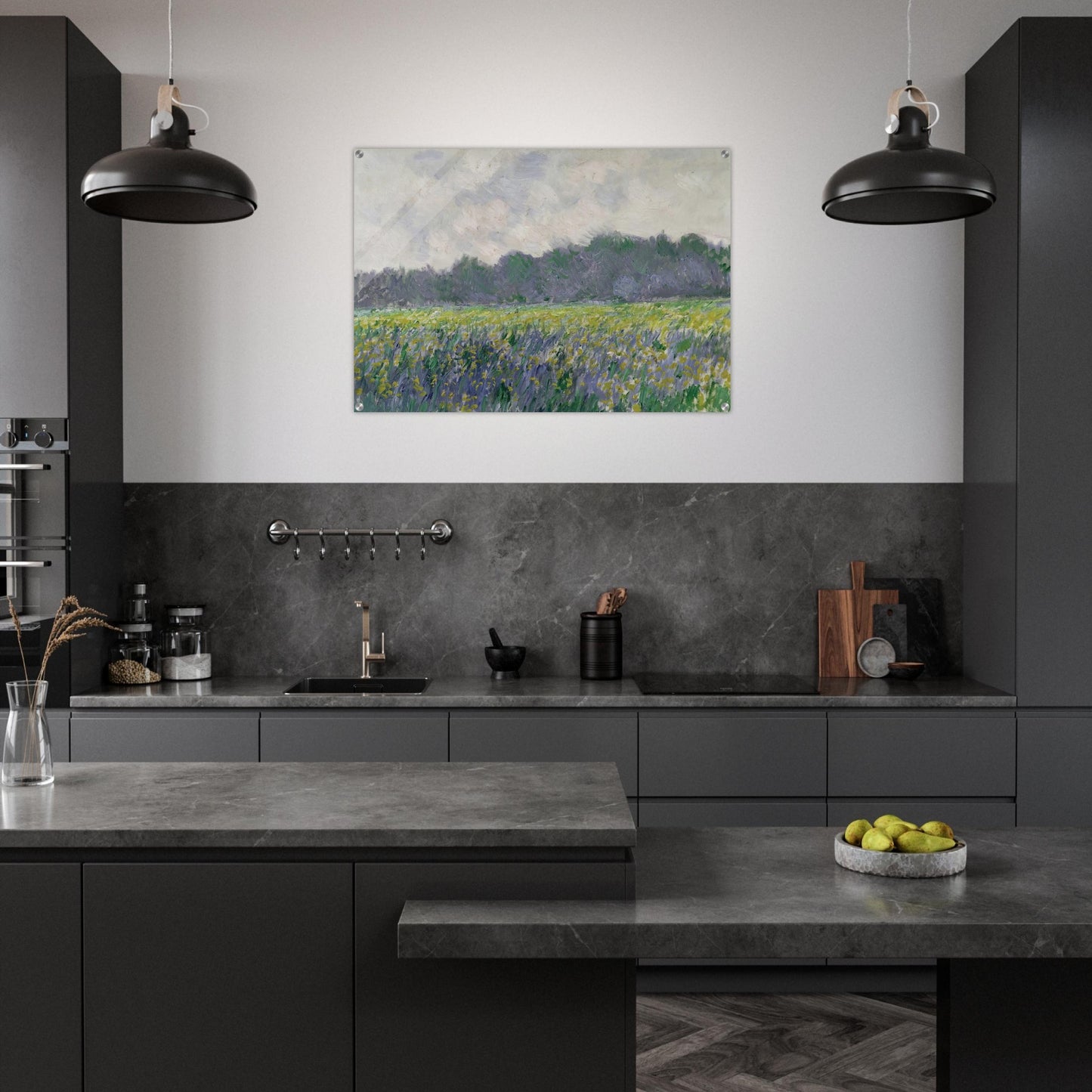
Our archival-grade reproduction ensures every detail—from the delicate irises to the dappled sunlight—is preserved with museum-quality precision. Printed on 4mm (0.15") acrylic, this piece offers a sleek, vibrant, and durable finish that enhances color depth and resists fading. The modern design features straight-cut corners and a white background for optimal presentation, making it a sophisticated addition to any interior.
Each print includes a complete hanging kit with hardware, screws, and pre-drilled screw holes at each corner (14mm/0.55" from the edge, 8mm/0.31" diameter, 15mm/0.6" screw head) for easy installation. Available in 70x100 cm / 28x40" inches, this fine art print transforms your space into a gallery-worthy showcase of Impressionist brilliance.
Elevate your home or office with an archival masterpiece that endures, backed by RedKalion's commitment to curating world-class reproductions. Experience the timeless allure of Monet's garden through this exquisite acrylic print, where art history meets modern craftsmanship.


Discover Unlimited Art Possibilities
At RedKalion, you can find virtually any artwork from any artist, available in a wide range of sizes to perfectly match your space.
If you didn’t find what you’re looking for, contact us at support@redkalion.com . We will source any artwork and produce it in any size and format you need, including art prints, posters, canvas, framed pieces, framed canvas, and more.
For dedicated art enthusiasts, we also offer handcrafted replicas of any artwork, carefully painted by highly skilled artists using traditional techniques.
For custom requests, contact us at support@redkalion.com .
What are the dimensions of this Claude Monet acrylic print?
This fine art print measures 70x100 cm (28x40 inches), offering a substantial presence that captures the full beauty of Monet's Field of Yellow Irises at Giverny in a museum-quality reproduction.
What material is used for this acrylic print?
It features 4mm (0.15") acrylic for a sleek, vibrant, and durable finish that enhances color depth and ensures long-lasting archival quality in your home decor.
Does the print include a hanging kit?
Yes, a complete hanging kit is included with hardware, screws, and pre-drilled screw holes at each corner (14mm/0.55" from edge, 8mm/0.31" diameter) for easy installation of your Impressionist art print.
How does the acrylic print handle backgrounds?
Transparent backgrounds default to white for optimal presentation, with straight-cut corners providing a modern look that complements any interior design style.
Is this print archival and fade-resistant?
Yes, our museum-quality reproductions use archival-grade materials to resist fading, ensuring your Monet garden print remains vibrant and durable for years to come.
What is the historical significance of Field of Yellow Irises at Giverny?
Painted around 1914-1917, this work reflects Monet's later focus on his Giverny garden, showcasing Impressionist techniques with bold brushstrokes and luminous colors to capture light and nature's ephemeral beauty.
Why did Monet paint irises at Giverny?
Monet cultivated irises in his garden as part of his artistic exploration, using them to study color variations and atmospheric effects, symbolizing his dedication to capturing natural scenes in his fine art.