

RedKalion
Fields of Tulip With The Rijnsburg Windmill - claude monet Brushed Aluminum Print - 70x100 cm / 28x40 inches | claude monet Aluminum Print | claude monet Prints
Fields of Tulip With The Rijnsburg Windmill - claude monet Brushed Aluminum Print - 70x100 cm / 28x40 inches | claude monet Aluminum Print | claude monet Prints
Couldn't load pickup availability
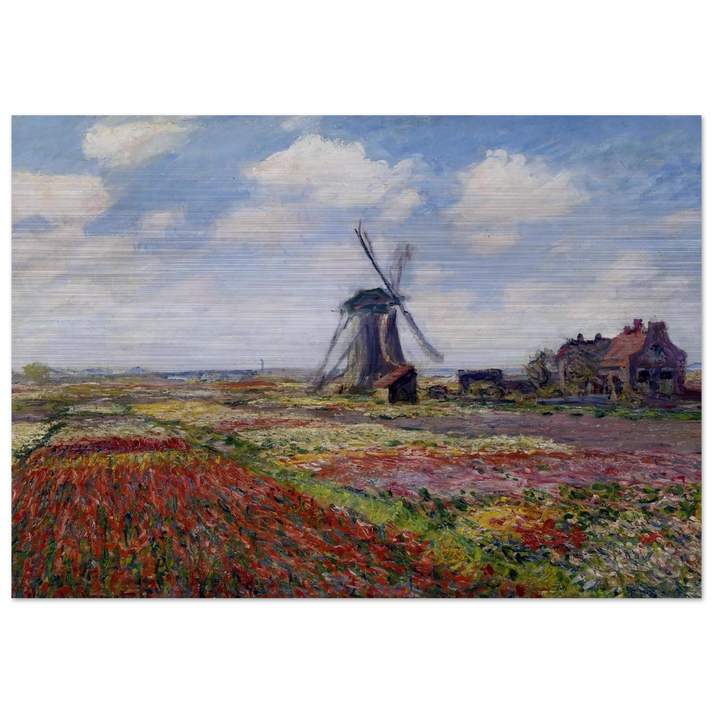
Claude Monet's "Fields of Tulip With The Rijnsburg Windmill" - Museum-Quality Aluminum Print
Immerse yourself in the luminous Impressionist vision of Claude Monet with this premium brushed aluminum print of "Fields of Tulip With The Rijnsburg Windmill." Captured during his pivotal Dutch period in 1886, this masterpiece showcases Monet's revolutionary approach to light and color, transforming the Dutch landscape into a vibrant tapestry of blooming tulips and the iconic Rijnsburg windmill. This fine art reproduction is not merely a print; it is a meticulously crafted archival piece designed to endure.
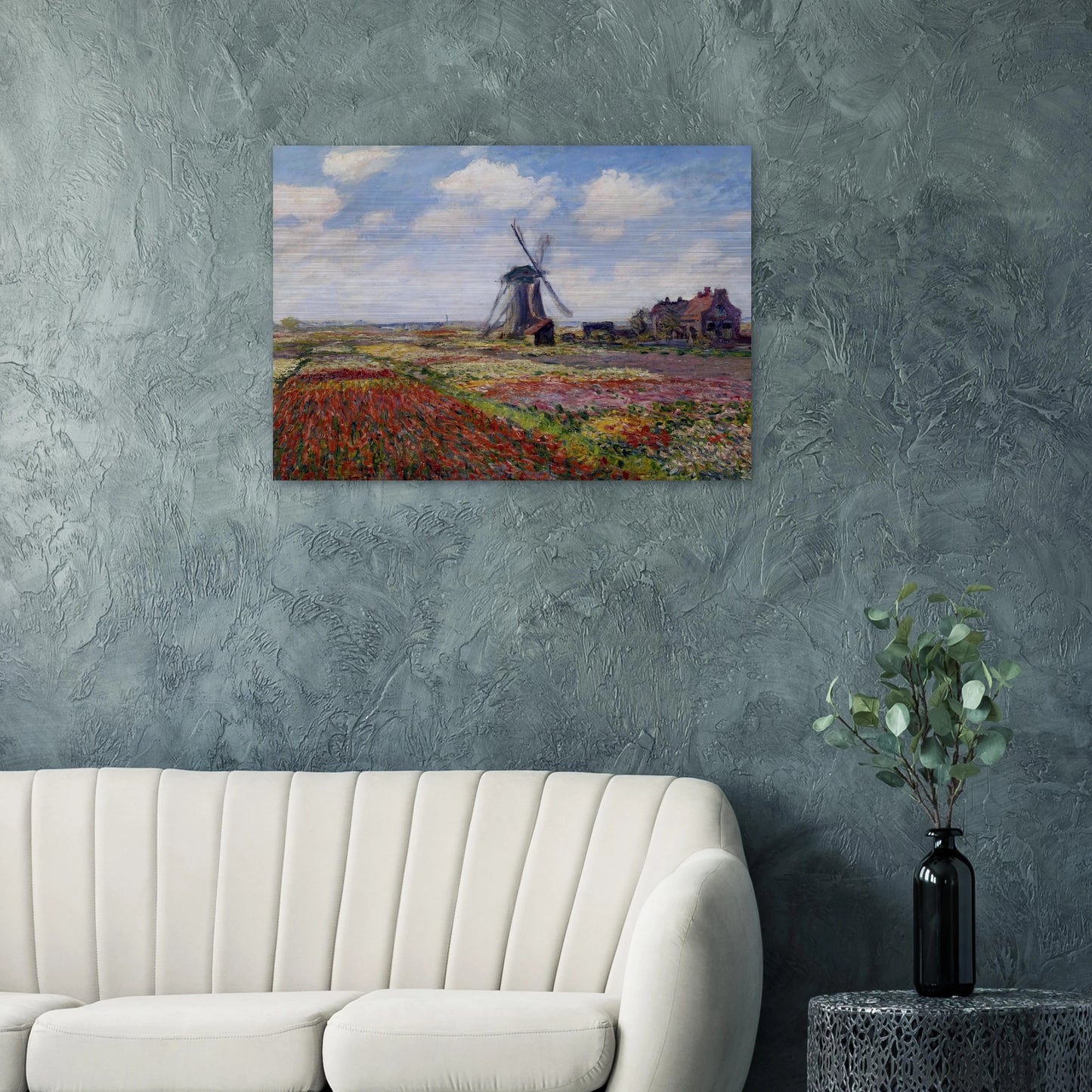
RedKalion presents this work on premium 3mm Brushed Silver Aluminum DIBOND®, featuring a direct print process that ensures the vivid hues of Monet's palette—the radiant reds of the tulips, the serene blues of the sky—are rendered with exceptional fidelity. The matte, glare-free finish and horizontal metallic grain create a dynamic, contemporary presentation, while unprinted areas reveal a subtle silver effect, adding depth and sophistication. Measuring 70x100 cm (28x40 inches), this piece arrives ready to elevate any interior with its durable, rigid construction and included hanging kit.
Art Historical Insight: Monet's Dutch sojourn was instrumental in refining his en plein air technique, where he captured the transient effects of light on windmills and floral fields. This work exemplifies his mastery in using broken brushstrokes to convey movement and atmosphere, making it a quintessential example of Impressionist landscape art.
- Material: Brushed silver Aluminum DIBOND® with metallic finish and horizontal grain.
- Thickness: 3mm (0.12") for a durable, rigid base.
- Printing: Direct print on AluDibond for vivid colors and a matte finish.
- Finish: Matte, glare-free, ideal for a striking brushed silver effect.
- Size: 70x100 cm / 28x40 inches.
- Included: Hanging kit (varies by fulfillment country).
Elevate your space with an archival masterpiece that endures, bringing the timeless beauty of Monet's vision into your home or office. Trust RedKalion for museum-quality reproductions that honor artistic legacy.


Discover Unlimited Art Possibilities
At RedKalion, you can find virtually any artwork from any artist, available in a wide range of sizes to perfectly match your space.
If you didn’t find what you’re looking for, contact us at support@redkalion.com . We will source any artwork and produce it in any size and format you need, including art prints, posters, canvas, framed pieces, framed canvas, and more.
For dedicated art enthusiasts, we also offer handcrafted replicas of any artwork, carefully painted by highly skilled artists using traditional techniques.
For custom requests, contact us at support@redkalion.com .
What is the historical significance of Claude Monet's "Fields of Tulip With The Rijnsburg Windmill"?
Painted in 1886 during Monet's Dutch period, this work highlights his Impressionist focus on light and landscape, capturing the vibrant tulip fields and iconic windmills of the Netherlands with revolutionary brushwork.
How are the colors and details reproduced in this aluminum print?
Our direct print on Brushed Silver Aluminum DIBOND® ensures vivid, accurate colors and a matte finish, preserving Monet's luminous palette and intricate details for a museum-quality reproduction.
What are the specifications of the brushed aluminum material used?
This print uses 3mm thick Brushed Silver Aluminum DIBOND® with a metallic finish and horizontal grain, offering durability, a dynamic look, and a matte, glare-free surface ideal for fine art displays.
Is the hanging kit included, and how does it vary by country?
Yes, a hanging kit is included; specific components may vary based on fulfillment country to ensure secure installation for your 70x100 cm aluminum print.
How does the archival quality ensure longevity for this Monet print?
Made with archival-grade materials and direct printing on aluminum, this reproduction resists fading and damage, offering lasting beauty as a premium Claude Monet fine art print.
What makes the brushed silver effect unique in this reproduction?
The horizontal grain and metallic finish create a dynamic brushed silver effect, with unprinted areas revealing silver highlights, enhancing the modern appeal of this Impressionist artwork.
Why did Monet choose the Rijnsburg windmill as a subject in this painting?
Monet was drawn to the Rijnsburg windmill for its picturesque Dutch charm, using it to explore light and structure amidst the colorful tulip fields, reflecting his interest in rural landscapes.