RedKalion
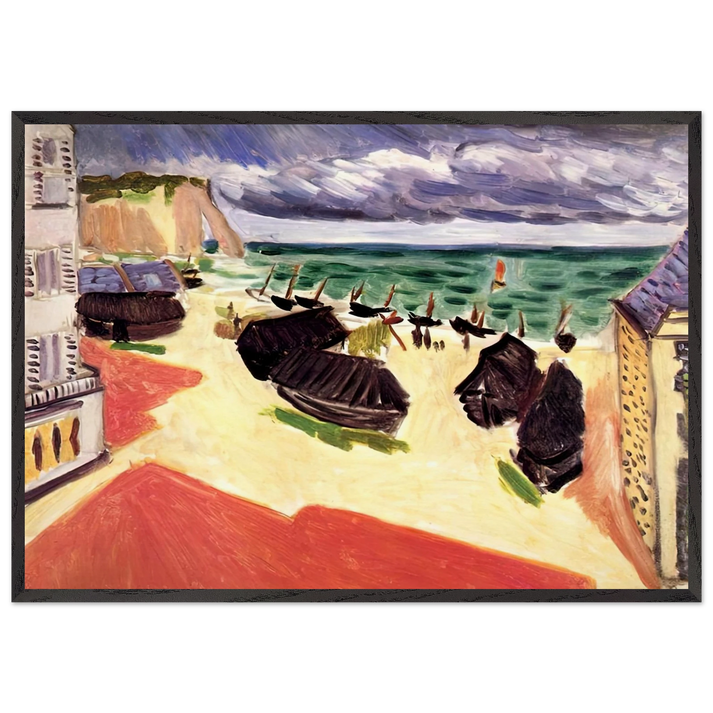
FISHING BOATS IN WINTER ETRETAT 1921 - Henri Matisse 70x100 cm / 28x40 inches Framed Art Print – Black Wooden Frame
FISHING BOATS IN WINTER ETRETAT 1921 - Henri Matisse 70x100 cm / 28x40 inches Framed Art Print – Black Wooden Frame
Couldn't load pickup availability
Fishing Boats in Winter Étretat 1921 - Henri Matisse
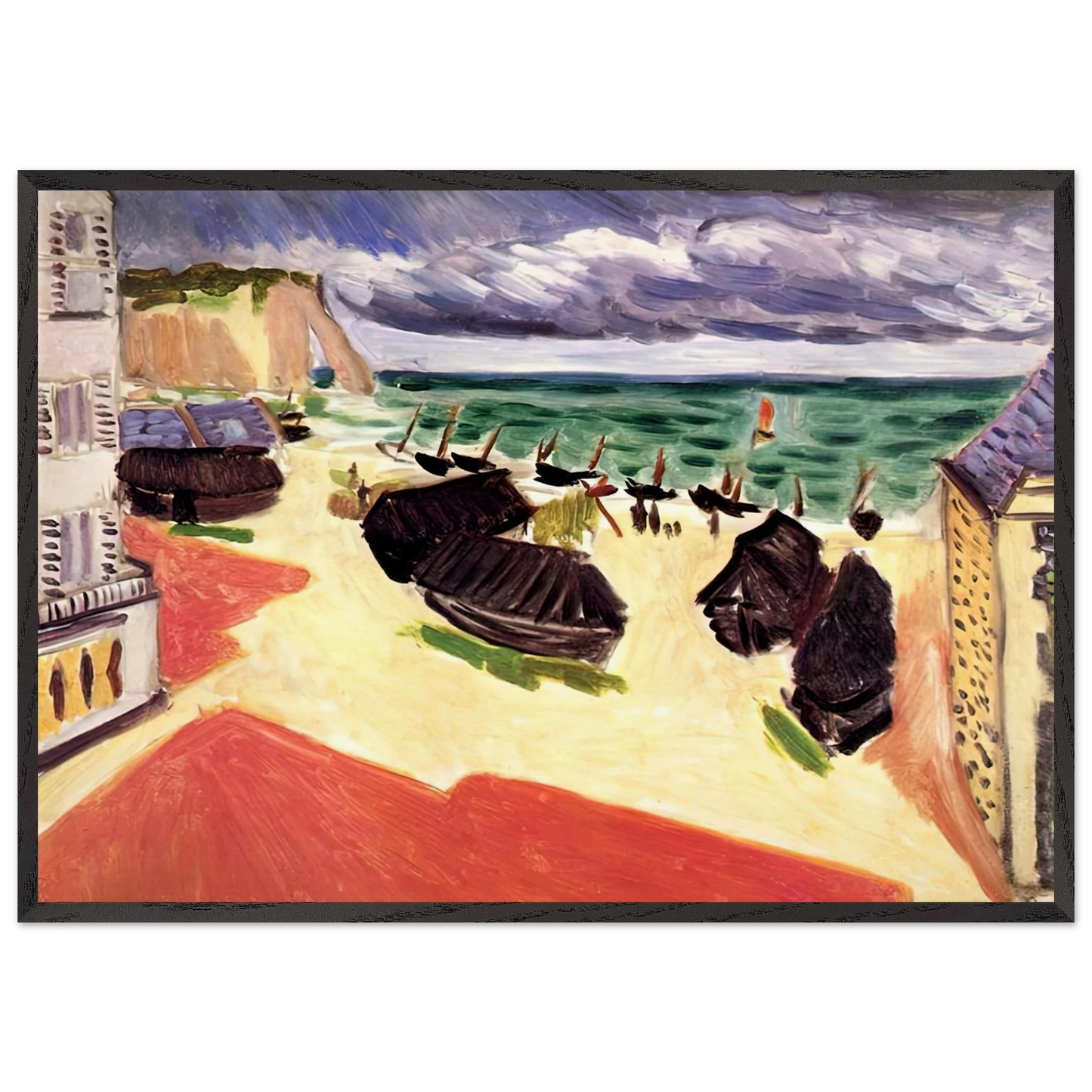
Immerse yourself in the serene coastal beauty of Normandy with this museum-quality framed art print of Henri Matisse's "Fishing Boats in Winter Étretat 1921". This archival reproduction captures the artist's masterful use of color and form, depicting the quiet harbor of Étretat under a winter sky. Matisse, a leading figure of Fauvism, employs bold, expressive brushstrokes and a harmonious palette to evoke a sense of calm and timelessness, making this piece a sophisticated addition to any modern or classic interior.
Our premium 70x100 cm / 28x40 inches framed art print is crafted with meticulous attention to detail, ensuring it meets the highest standards of fine art reproduction. The print is housed in a sleek black wooden frame made from responsibly sourced oak and ash wood, with a substantial 20mm (0.79") thickness that provides a contemporary, gallery-worthy presence. It arrives ready-to-hang with a complete hanging kit, allowing you to elevate your space effortlessly.
The artwork is printed on 250 gsm (110 lb) archival museum-quality paper with a matte, uncoated finish that enhances the natural textures and colors without glare. Protected by shatterproof plexiglass, this piece is both durable and safe, while the use of FSC-certified sustainable materials reflects our commitment to environmental responsibility. At RedKalion, we specialize in curating world-class reproductions that blend historical artistry with modern craftsmanship, offering you a trusted source for enduring beauty.
Did you know? Matisse visited Étretat multiple times, and this 1921 work showcases his later, more refined style, where he balanced abstraction with recognizable forms to capture the essence of the French coastline—a testament to his evolving genius.
Discover Unlimited Art Possibilities
At RedKalion, you can find virtually any artwork from any artist, available in a wide range of sizes to perfectly match your space.
If you didn’t find what you’re looking for, contact us at support@redkalion.com . We will source any artwork and produce it in any size and format you need, including art prints, posters, canvas, framed pieces, framed canvas, and more.
For dedicated art enthusiasts, we also offer handcrafted replicas of any artwork, carefully painted by highly skilled artists using traditional techniques.
For custom requests, contact us at support@redkalion.com .
What are the dimensions and framing details of this Henri Matisse print?
This fine art print measures 70x100 cm (28x40 inches) and comes framed in a black wooden frame made from responsibly sourced oak and ash wood, with a 20mm (0.79") thickness for a premium look.
What type of paper is used for this museum-quality reproduction?
We use 250 gsm (110 lb) archival museum-quality paper with a matte, uncoated finish and natural white color, ensuring vibrant colors and long-lasting durability for your art print.
Is this framed art print ready to hang?
Yes, it includes a hanging kit and is ready-to-hang directly on your wall, making installation simple and hassle-free.
How is the print protected in the frame?
The print is protected by shatterproof plexiglass, which offers safety and clarity while preserving the artwork's quality in this archival reproduction.
Are the materials used sustainable?
Yes, we use FSC-certified or equivalent sustainable paper and responsibly sourced wood for the frame, aligning with eco-friendly practices.
What is the historical significance of "Fishing Boats in Winter Étretat 1921"?
Painted in 1921, this work reflects Henri Matisse's later period, where he blended abstraction with realistic elements to capture the tranquil mood of Étretat's harbor, showcasing his mastery of color and form in modern art.
How does Matisse's technique in this painting differ from his earlier works?
Compared to his earlier Fauvist pieces, this painting uses a more subdued palette and refined brushstrokes, emphasizing harmony and calm, which highlights his artistic evolution toward greater simplicity and emotional depth.