

RedKalion
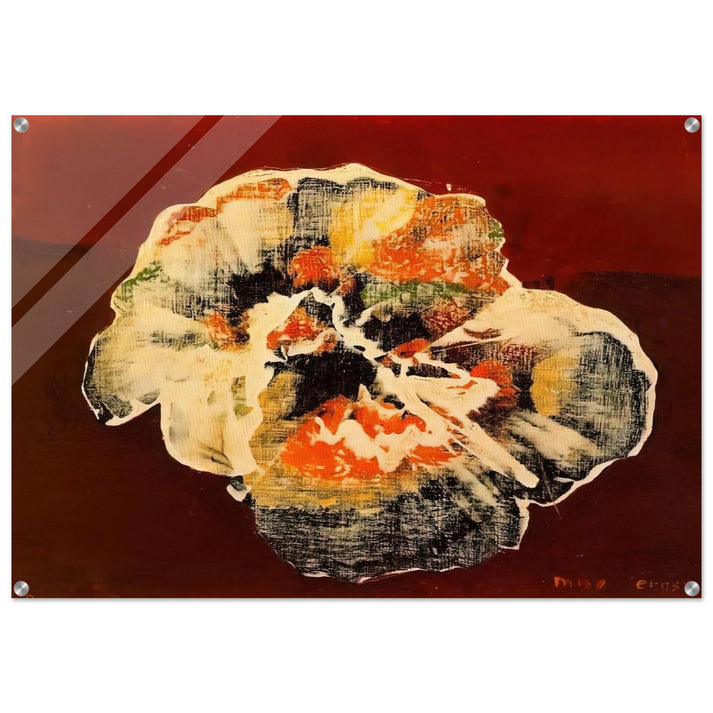
Flower Shell - Max Ernst Acrylic Print - 70x100 cm / 28x40″ inches
Flower Shell - Max Ernst Acrylic Print - 70x100 cm / 28x40″ inches
Couldn't load pickup availability
Flower Shell - Max Ernst Acrylic Print - 70x100 cm / 28x40″ inches
Immerse yourself in the surrealist dreamscape of Max Ernst with this museum-quality reproduction of Flower Shell. A premier example of Ernst's pioneering frottage technique, this 1929 masterpiece blends botanical forms with geological textures, creating an enigmatic visual poetry that challenges perception. The artwork's organic, shell-like structure evokes a sense of mystical transformation, perfect for adding depth and intrigue to modern interiors.
RedKalion presents this archival-grade acrylic print on 4mm (0.15") premium acrylic, ensuring vibrant color saturation and a sleek, contemporary finish. With straight-cut corners and dimensions of 70x100 cm (28x40 inches), it delivers a striking visual impact. The transparent background defaults to white for optimal presentation, while the included hanging kit—featuring hardware, screws, and pre-drilled holes (14mm from the edge, 8mm diameter)—facilitates effortless installation.
Elevate your space with a durable, fine art reproduction that captures Ernst's innovative spirit. Trust RedKalion for expertly curated, archival-quality prints that endure.


Discover Unlimited Art Possibilities
At RedKalion, you can find virtually any artwork from any artist, available in a wide range of sizes to perfectly match your space.
If you didn’t find what you’re looking for, contact us at support@redkalion.com . We will source any artwork and produce it in any size and format you need, including art prints, posters, canvas, framed pieces, framed canvas, and more.
For dedicated art enthusiasts, we also offer handcrafted replicas of any artwork, carefully painted by highly skilled artists using traditional techniques.
For custom requests, contact us at support@redkalion.com .
What is the historical significance of Max Ernst's Flower Shell?
Created in 1929, Flower Shell exemplifies Max Ernst's surrealist frottage technique, blending natural forms to explore subconscious imagery and challenge artistic conventions during the interwar avant-garde movement.
How does the acrylic print enhance the artwork's details?
The 4mm acrylic provides a glossy, vibrant finish that intensifies Ernst's intricate textures and colors, offering a durable, museum-quality reproduction ideal for modern displays.
What are the specifications of this fine art print?
This archival print measures 70x100 cm (28x40 inches) with 4mm acrylic, straight-cut corners, and a white default background for a sleek, contemporary presentation.
How is the acrylic print shipped and installed?
It includes a complete hanging kit with hardware, screws, and pre-drilled holes (14mm from edges, 8mm diameter) for secure, easy wall mounting upon delivery.
Is this reproduction archival and long-lasting?
Yes, RedKalion uses premium acrylic and archival materials to ensure fade-resistant durability, making it a lasting investment for art collectors.
What inspired Max Ernst's botanical and geological themes in this piece?
Ernst drew from natural history and Freudian psychology, using frottage to create hybrid forms that reflect surrealist explorations of dreams and the unconscious mind.
Why does the transparent background default to white?
The white background optimizes visual clarity and contrast, highlighting Ernst's detailed composition for a modern, gallery-style display in any setting.