
RedKalion
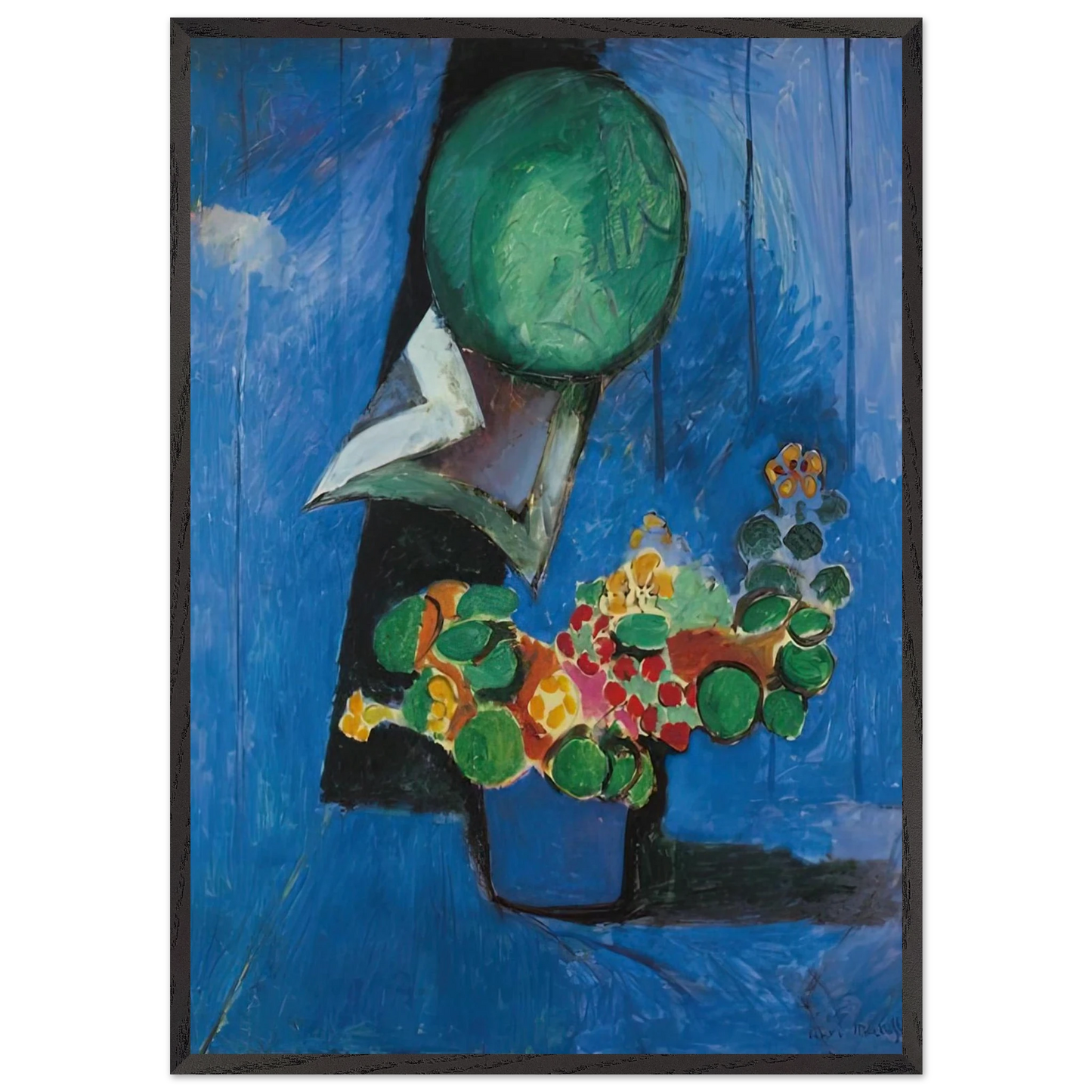
FLOWERS AND CERAMIC PLATE 1913 - Henri Matisse 70x100 cm / 28x40 inches Framed Art Print – Black Wooden Frame
FLOWERS AND CERAMIC PLATE 1913 - Henri Matisse 70x100 cm / 28x40 inches Framed Art Print – Black Wooden Frame
Couldn't load pickup availability
Flowers and Ceramic Plate 1913 by Henri Matisse: A Museum-Quality Framed Art Print
Elevate your space with Henri Matisse's vibrant masterpiece, Flowers and Ceramic Plate 1913. This fine art print captures the bold colors and expressive forms that define Matisse's Fauvist period, where he liberated color from its descriptive role to evoke pure emotion. The composition—a lively bouquet juxtaposed with a ceramic plate—showcases his genius in balancing decorative pattern with intimate still life, making it a timeless addition to any interior.
RedKalion presents this work as a museum-quality reproduction, meticulously printed on archival museum-quality paper that ensures longevity and fidelity to the original. The 250 gsm (110 lb) matte, uncoated paper with a natural white finish provides a tactile, gallery-like experience, while shatterproof plexiglass offers durable protection without glare.
Housed in a black wooden frame crafted from responsibly sourced oak and ash wood, this piece is ready-to-hang with an included kit. The frame measures 20mm (0.79") thick and wide, offering a substantial, modern profile that enhances the artwork's presence. At 70x100 cm / 28x40 inches, it commands attention without overwhelming, perfect for living rooms, offices, or creative studios.
As a premier online gallery, RedKalion specializes in archival-grade reproductions that honor artistic heritage. Our use of FSC-certified materials reflects our commitment to sustainability, ensuring that your investment supports both art and environment. Discover the joy of owning a piece of art history—this framed print brings Matisse's revolutionary vision into your daily life, crafted to endure for generations.
Discover Unlimited Art Possibilities
At RedKalion, you can find virtually any artwork from any artist, available in a wide range of sizes to perfectly match your space.
If you didn’t find what you’re looking for, contact us at support@redkalion.com . We will source any artwork and produce it in any size and format you need, including art prints, posters, canvas, framed pieces, framed canvas, and more.
For dedicated art enthusiasts, we also offer handcrafted replicas of any artwork, carefully painted by highly skilled artists using traditional techniques.
For custom requests, contact us at support@redkalion.com .
What are the details of the Flowers and Ceramic Plate 1913 artwork?
This fine art print reproduces Henri Matisse's 1913 painting, showcasing his Fauvist use of bold colors and expressive forms in a still life with flowers and a ceramic plate, measuring 70x100 cm / 28x40 inches.
What paper is used for this museum-quality reproduction?
It's printed on 250 gsm (110 lb) matte, uncoated, natural white archival museum-quality paper, 0.29 mm thick, ensuring longevity and a premium feel for your framed art print.
Is the frame ready-to-hang and what are its specifications?
Yes, it includes a hanging kit. The black wooden frame is made from responsibly sourced oak and ash, 20mm (0.79") thick and wide, with shatterproof plexiglass protection.
How is this print shipped and what is the delivery time?
We ship securely packaged to prevent damage. Delivery times vary by location; track your order online for updates on this archival-grade reproduction.
How long will this archival print last?
Using FSC-certified materials and archival museum-quality paper, this fine art print is designed to resist fading and last for generations with proper care.
What makes Matisse's Flowers and Ceramic Plate 1913 significant in art history?
It exemplifies Matisse's Fauvist period, where he used non-naturalistic colors to convey emotion, revolutionizing modern art with this vibrant still life composition.
Can you describe the ceramic plate in the artwork?
The ceramic plate adds a geometric contrast to the organic flowers, highlighting Matisse's skill in balancing decorative elements and everyday objects in his paintings.