RedKalion
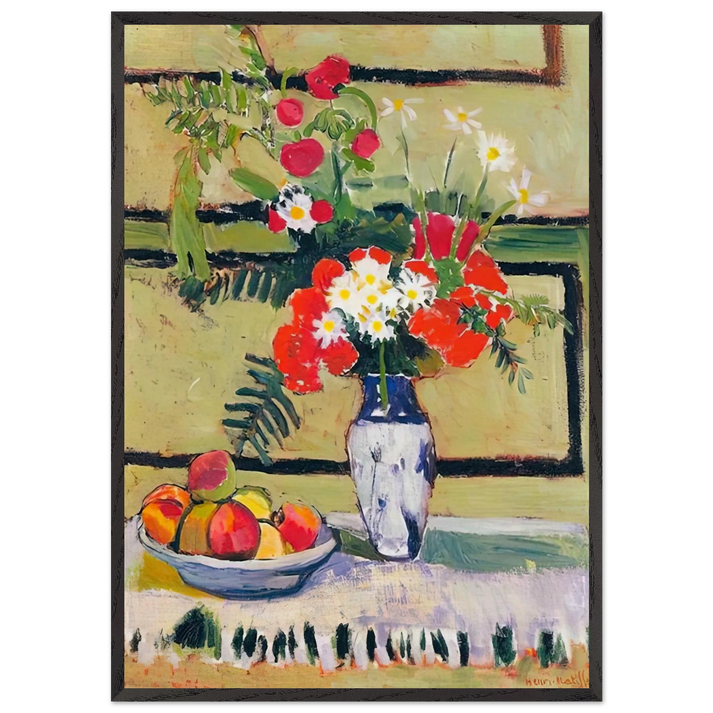
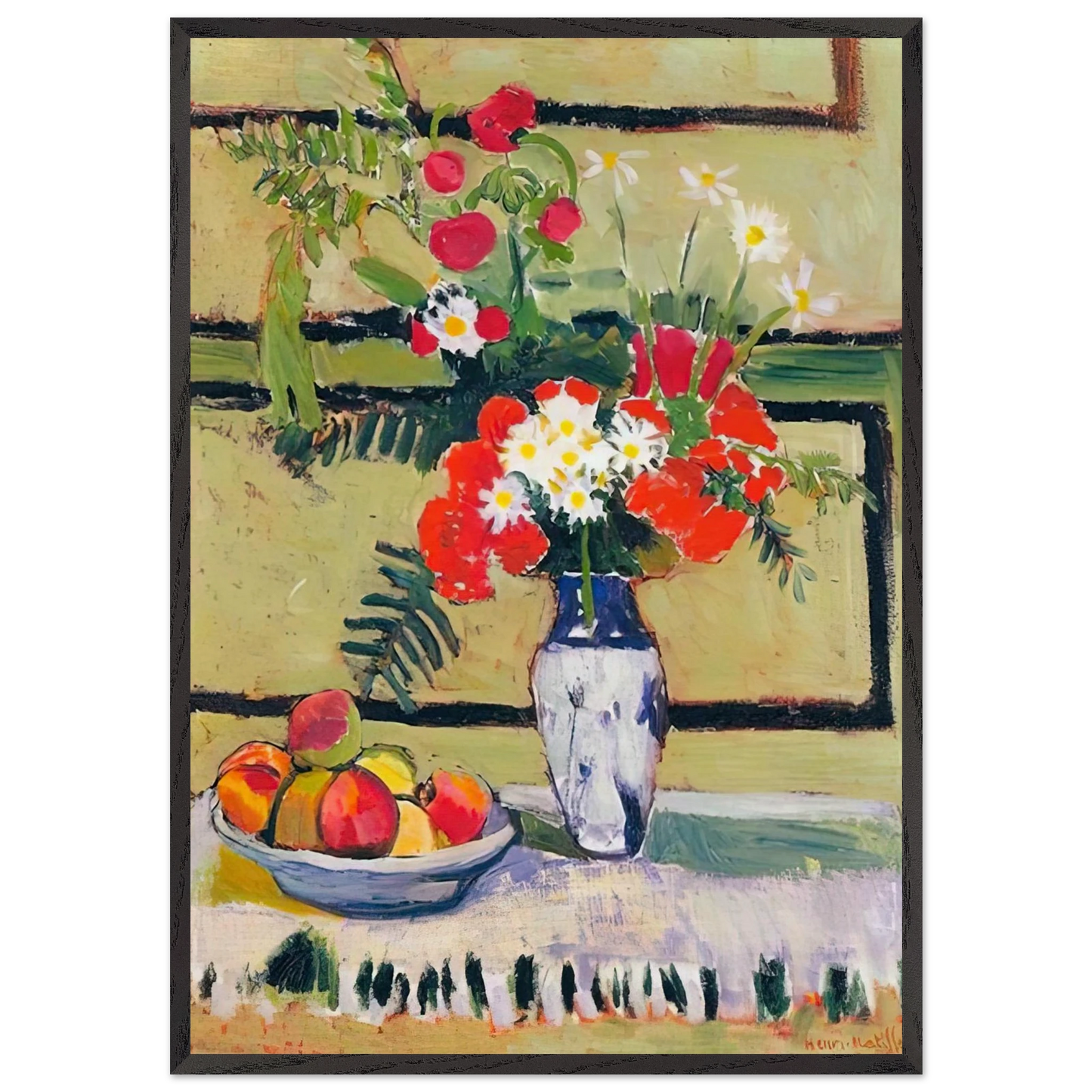
FLOWERS AND FRUIT 1909 - Henri Matisse 70x100 cm / 28x40 inches Framed Art Print – Black Wooden Frame
FLOWERS AND FRUIT 1909 - Henri Matisse 70x100 cm / 28x40 inches Framed Art Print – Black Wooden Frame
Couldn't load pickup availability
Flowers and Fruit 1909 - Henri Matisse: A Masterpiece of Fauvist Still Life
Immerse yourself in the vibrant energy of Henri Matisse's "Flowers and Fruit 1909," now available as a museum-quality framed art print from RedKalion. This iconic work captures the essence of Fauvism, where Matisse boldly abandons naturalistic colors in favor of expressive, emotive hues. The composition—a lush arrangement of flowers and fruit—radiates joy and vitality, transforming an ordinary still life into a celebration of pure color and form. Perfect for art enthusiasts and interior designers alike, this piece brings a timeless, sophisticated touch to any living room, dining area, or office space.
At RedKalion, we specialize in archival-grade reproductions that honor the artist's original vision. Our fine art print of "Flowers and Fruit 1909" is meticulously crafted on premium, uncoated matte paper with a natural white finish, ensuring the colors pop with authenticity and depth. The 250 gsm (110 lb) paper weight and 0.29 mm (11.4 mils) thickness provide a luxurious, durable feel that rivals gallery originals. Housed in a sleek black wooden frame made from responsibly sourced oak and ash wood, this framed art print measures 70x100 cm / 28x40 inches and features a robust 20mm (0.79") thick and wide profile, offering a modern, substantial presence on your wall.
Elevate your space with an archival masterpiece that endures. Each print is protected by shatterproof plexiglass and includes a ready-to-hang kit, so you can enjoy Matisse's brilliance without delay. Trust RedKalion for museum-quality reproductions that blend art historical significance with exceptional craftsmanship.
Discover Unlimited Art Possibilities
At RedKalion, you can find virtually any artwork from any artist, available in a wide range of sizes to perfectly match your space.
If you didn’t find what you’re looking for, contact us at support@redkalion.com . We will source any artwork and produce it in any size and format you need, including art prints, posters, canvas, framed pieces, framed canvas, and more.
For dedicated art enthusiasts, we also offer handcrafted replicas of any artwork, carefully painted by highly skilled artists using traditional techniques.
For custom requests, contact us at support@redkalion.com .
What are the dimensions and framing details of this Henri Matisse print?
This framed art print measures 70x100 cm (28x40 inches) and features a black wooden frame made from responsibly sourced oak and ash wood, with a 20mm (0.79") thick and wide profile for a modern look.
What type of paper is used for this museum-quality reproduction?
We use a 250 gsm (110 lb) matte, uncoated, natural white archival museum-quality paper with a thickness of 0.29 mm (11.4 mils), ideal for fine art prints and FSC-certified for sustainability.
Is this framed print ready to hang, and what protection does it include?
Yes, it comes with a hanging kit for immediate display and is protected by shatterproof plexiglass to ensure durability and safety in your home or office.
How does this print capture the essence of Matisse's Fauvist style?
This reproduction highlights Matisse's bold, non-naturalistic colors and expressive brushwork from 1909, embodying the Fauvist movement's focus on emotional impact over realism.
What makes RedKalion's prints archival and long-lasting?
Our prints use acid-free, FSC-certified materials and premium paper to resist fading, ensuring your Henri Matisse art print remains vibrant for generations as a museum-quality reproduction.
Why is "Flowers and Fruit 1909" significant in art history?
This work is a key example of Fauvism, where Matisse pioneered the use of intense color to convey emotion, marking a shift from traditional still life techniques in early 20th-century art.
Can you describe the composition and mood of this artwork?
The piece features a vibrant arrangement of flowers and fruit, evoking joy and vitality through its dynamic colors and forms, perfect for adding energy to any interior space.