
RedKalion
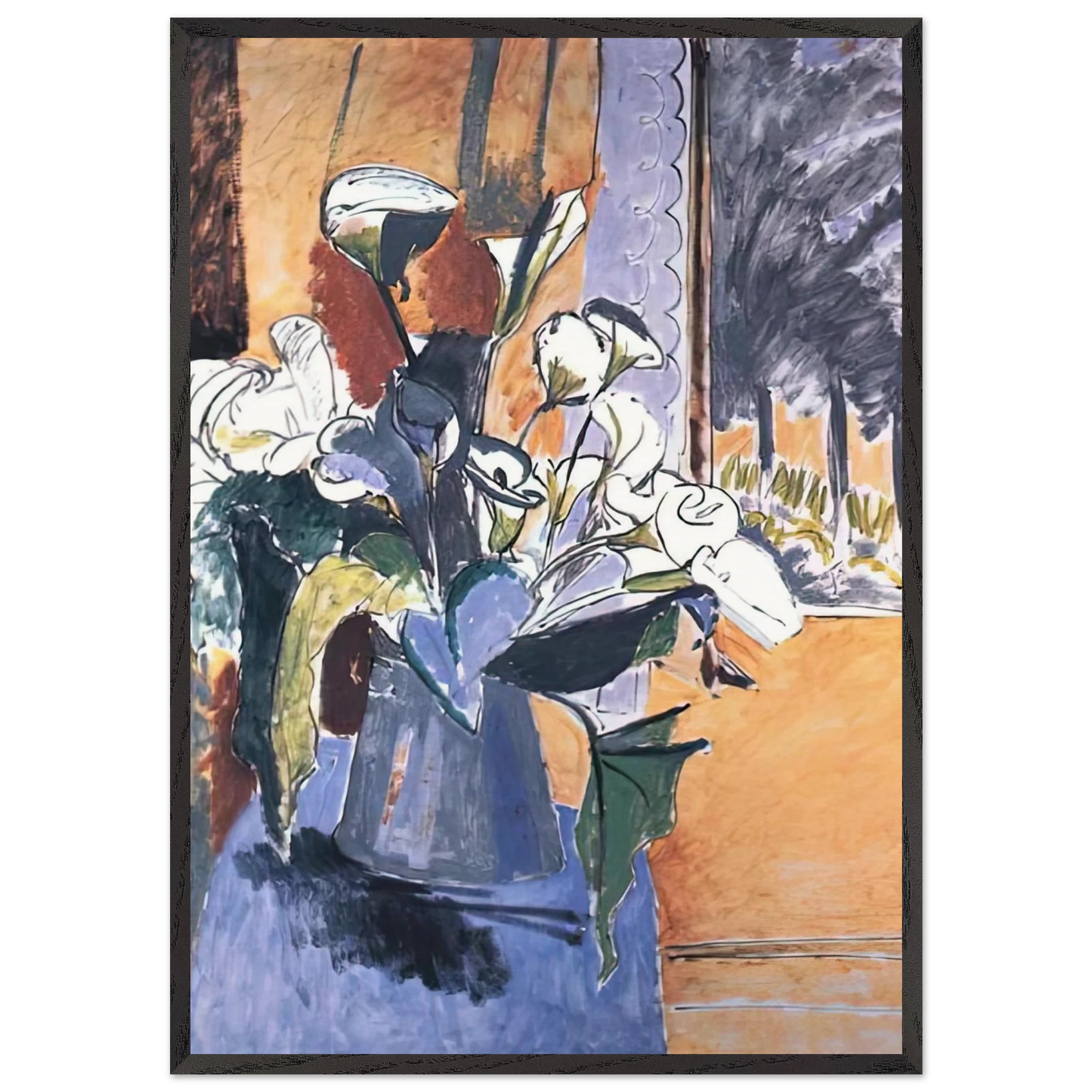
FLOWERS ON THE WINDOWSILL 1913 - Henri Matisse 70x100 cm / 28x40 inches Framed Art Print – Black Wooden Frame
FLOWERS ON THE WINDOWSILL 1913 - Henri Matisse 70x100 cm / 28x40 inches Framed Art Print – Black Wooden Frame
Couldn't load pickup availability
Flowers on the Windowsill 1913 by Henri Matisse
Immerse yourself in the vibrant, expressive world of Henri Matisse with this museum-quality framed art print of Flowers on the Windowsill (1913). This iconic work captures Matisse's revolutionary Fauvist style, where bold, non-naturalistic colors and simplified forms convey pure emotion and decorative beauty. Painted during a period of intense creativity, it reflects his fascination with domestic interiors and the joy of everyday objects, transforming a simple still life into a symphony of color and light.
RedKalion presents this archival-grade reproduction on premium 250 gsm (110 lb) matte, uncoated paper, ensuring the rich hues and delicate brushstrokes are preserved with exceptional clarity. The print is elegantly framed in a responsibly sourced black wooden frame made from oak and ash, measuring 20mm thick for a substantial, gallery-ready presence. Protected by shatterproof plexiglass, this piece arrives ready-to-hang with a complete hanging kit, allowing you to elevate your space instantly with a timeless masterpiece that endures.
- Artwork: Flowers on the Windowsill (1913) by Henri Matisse
- Print Size: 70x100 cm / 28x40 inches
- Frame: Black wooden frame (oak and ash, 20mm thick)
- Paper: 250 gsm matte archival museum-quality paper, FSC-certified
- Protection: Shatterproof plexiglass
- Ready-to-Hang: Includes hanging kit
Discover Unlimited Art Possibilities
At RedKalion, you can find virtually any artwork from any artist, available in a wide range of sizes to perfectly match your space.
If you didn’t find what you’re looking for, contact us at support@redkalion.com . We will source any artwork and produce it in any size and format you need, including art prints, posters, canvas, framed pieces, framed canvas, and more.
For dedicated art enthusiasts, we also offer handcrafted replicas of any artwork, carefully painted by highly skilled artists using traditional techniques.
For custom requests, contact us at support@redkalion.com .
What is the historical significance of Flowers on the Windowsill by Henri Matisse?
Created in 1913, this painting exemplifies Matisse's Fauvist period, using bold, unnatural colors to evoke emotion and challenge traditional realism, making it a key piece in modern art history for its innovative approach to color and form.
What are the specifications of the paper used for this fine art print?
The print is on 250 gsm (110 lb) matte, uncoated archival museum-quality paper, 0.29 mm thick, with FSC-certified materials for durability and a natural white finish that enhances color vibrancy in this reproduction.
How is the framed art print shipped and is it ready to hang?
Yes, it arrives ready-to-hang with a complete hanging kit included, securely packaged to ensure the black wooden frame and shatterproof plexiglass protection remain intact during shipping.
What makes this reproduction archival and long-lasting?
Using acid-free, FSC-certified paper and high-quality inks, this museum-quality print resists fading and deterioration, ensuring the vibrant colors of Matisse's work endure for generations in your home.
Can you describe the frame details for this 70x100 cm print?
The frame is made from responsibly sourced oak and ash wood, painted black, with a substantial 20mm thickness for a premium look, wider than classic 14mm frames, complementing the artwork's bold style.
Why did Matisse choose such vibrant colors for this still life?
Matisse used intense, non-naturalistic colors in his Fauvist works to express emotional resonance rather than realistic depiction, aiming to create a harmonious, decorative effect that transforms ordinary scenes into joyful art.
How does the matte paper finish enhance this reproduction?
The matte, uncoated finish reduces glare and provides a tactile, authentic feel, closely mimicking the original painting's texture and ensuring accurate color representation for this archival print.