RedKalion
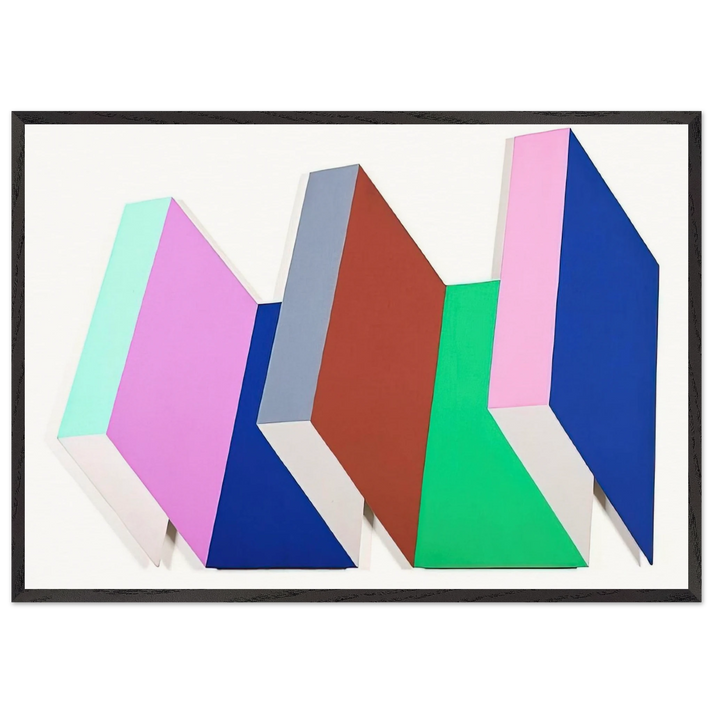
Fold One - 1968 - Thomas Downing 70x100 cm / 28x40 inches Framed Art Print – Black Wooden Frame
Fold One - 1968 - Thomas Downing 70x100 cm / 28x40 inches Framed Art Print – Black Wooden Frame
Couldn't load pickup availability
Fold One - 1968 by Thomas Downing: A Masterpiece of Washington Color School Art
Immerse yourself in the vibrant precision of Thomas Downing's "Fold One - 1968", a defining work from the Washington Color School movement. This 70x100 cm / 28x40 inches framed art print captures the artist's revolutionary use of geometric abstraction and bold, saturated hues, creating a dynamic visual rhythm that energizes any space. Downing, a key figure in 1960s American art, pioneered the "dot" painting technique, arranging meticulously spaced circles to explore optical effects and color relationships—a fascinating insight into his methodical yet expressive approach.
RedKalion presents this museum-quality reproduction as a ready-to-hang masterpiece, framed in a sleek black wooden frame crafted from responsibly sourced oak and ash wood. The frame measures 20mm (0.79") thick and wide, offering a substantial, modern profile that enhances the artwork's impact. Your print is safeguarded by shatterproof plexiglass and printed on premium 250 gsm (110 lb) archival museum-quality paper with a matte, uncoated, natural white finish—ensuring longevity and a true-to-original appearance. Elevate your home or office with this archival-grade piece, a testament to Downing's legacy and RedKalion's commitment to fine art prints that endure.
- Frame: Black wooden frame (responsibly sourced oak and ash wood), 20mm thick and wide, includes hanging kit.
- Print: 70x100 cm / 28x40 inches on 250 gsm (110 lb) matte, uncoated, natural white archival paper (0.29 mm thick).
- Protection: Shatterproof plexiglass; sustainable FSC-certified materials.

Discover Unlimited Art Possibilities
At RedKalion, you can find virtually any artwork from any artist, available in a wide range of sizes to perfectly match your space.
If you didn’t find what you’re looking for, contact us at support@redkalion.com . We will source any artwork and produce it in any size and format you need, including art prints, posters, canvas, framed pieces, framed canvas, and more.
For dedicated art enthusiasts, we also offer handcrafted replicas of any artwork, carefully painted by highly skilled artists using traditional techniques.
For custom requests, contact us at support@redkalion.com .
What are the dimensions and details of this Thomas Downing art print?
This framed print measures 70x100 cm (28x40 inches), featuring Thomas Downing's "Fold One - 1968" from the Washington Color School, with a black wooden frame and archival museum-quality paper for a premium fine art reproduction.
What type of paper is used for this museum-quality reproduction?
It uses 250 gsm (110 lb) matte, uncoated, natural white archival paper, 0.29 mm thick, ideal for fine art prints and ensuring long-lasting color vibrancy in this geometric abstraction artwork.
Is the frame ready to hang, and what are its specifications?
Yes, it includes a hanging kit. The frame is 20mm thick and wide, made from responsibly sourced oak and ash wood, offering a sturdy black wooden frame for easy wall display.
How is the print protected, and is it sustainable?
The print is protected by shatterproof plexiglass and uses sustainable FSC-certified materials, making this Washington Color School art print both durable and eco-friendly.
What is the historical significance of "Fold One - 1968" by Thomas Downing?
It's a key work from the Washington Color School, showcasing Downing's dot painting technique and geometric abstraction, which influenced 1960s American art with bold color relationships.
Can you describe Thomas Downing's artistic technique in this piece?
Downing used meticulously spaced circles or "dots" to create optical effects and explore color interactions, a methodical approach that defines his contribution to abstract art.