RedKalion
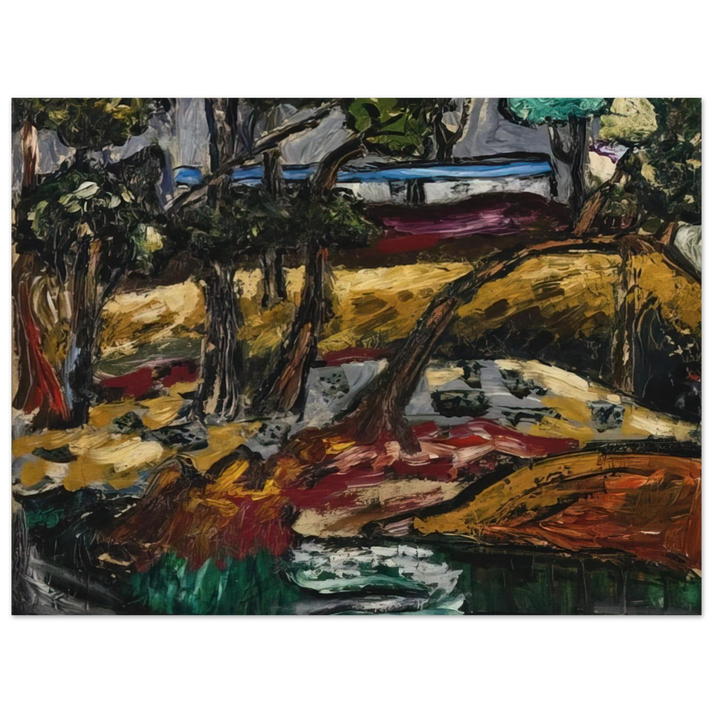
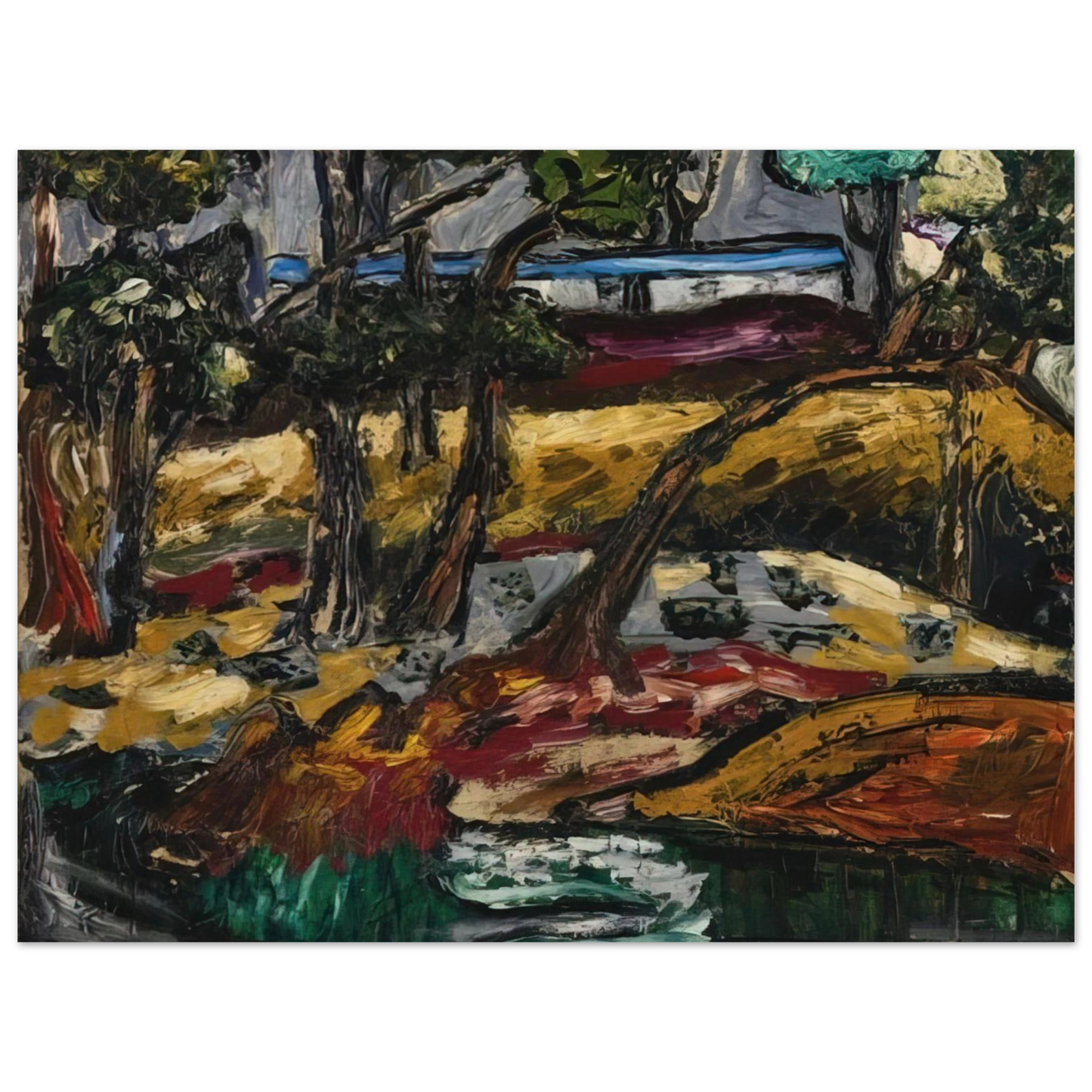
Forrest Bess - Landscape - Expressionism 75x100 cm / 30x40inches Fine Art Poster
Forrest Bess - Landscape - Expressionism 75x100 cm / 30x40inches Fine Art Poster
Couldn't load pickup availability
Forrest Bess - Landscape - Expressionism Fine Art Print
Immerse yourself in the raw, visionary world of American Expressionist Forrest Bess with this museum-quality reproduction of his iconic Landscape. This 75x100 cm (30x40 inches) fine art poster captures the artist's unique blend of primal abstraction and symbolic depth, offering a window into his deeply personal and mystical artistic language.
Bess, a largely self-taught painter and fisherman from Texas, developed a singular visual vocabulary that bridged the subconscious and the natural world. His Expressionist landscapes are not mere depictions of terrain but emotional terrains—charged with psychological intensity and archetypal forms. This piece exemplifies his ability to distill complex inner visions into compelling, abstracted compositions that continue to resonate with contemporary audiences.
RedKalion presents this archival masterpiece on our exclusive Master's Edition archival paper, ensuring every nuance of Bess's textured brushwork and emotive color palette is preserved. The matte, uncoated finish in a natural white hue provides a luxurious, gallery-worthy texture that enhances the artwork's tactile presence without glare.
- Premium Specifications: 250 gsm (110 lb) weight with a thickness of 0.29 mm (11.4 mils) for exceptional durability and a substantial feel.
- Archival Integrity: Acid-free (pH above 7) construction prevents yellowing, safeguarding your investment for generations.
- Sustainable Choice: Printed on FSC-certified paper, reflecting our commitment to environmental stewardship.
- Convenient Fulfillment: No minimum orders required—each print is crafted on-demand to ensure freshness and shipped directly to you.
Elevate your space with a piece of art history that endures. This Forrest Bess fine art print is more than a decoration; it's a conversation-starting centerpiece that invites contemplation and connection.
Discover Unlimited Art Possibilities
At RedKalion, you can find virtually any artwork from any artist, available in a wide range of sizes to perfectly match your space.
If you didn’t find what you’re looking for, contact us at support@redkalion.com . We will source any artwork and produce it in any size and format you need, including art prints, posters, canvas, framed pieces, framed canvas, and more.
For dedicated art enthusiasts, we also offer handcrafted replicas of any artwork, carefully painted by highly skilled artists using traditional techniques.
For custom requests, contact us at support@redkalion.com .
What are the dimensions of this Forrest Bess Landscape print?
This fine art poster measures 75x100 cm (30x40 inches), making it an ideal size for prominent wall display in homes or offices.
What type of paper is used for this museum-quality reproduction?
It's printed on Master's Edition archival paper, a matte, uncoated, natural white sheet that offers a luxurious texture and prevents glare for optimal viewing.
How is this print shipped, and are there minimum order requirements?
We offer no minimum orders and ship on demand, ensuring each archival art print is freshly produced and carefully packaged for secure delivery.
Will this acid-free art print yellow over time?
No, the acid-free (pH above 7) paper resists yellowing, maintaining the vibrant colors and integrity of this Expressionist landscape for decades.
What is the weight and thickness of the paper for this fine art poster?
The paper is 250 gsm (110 lb) with a thickness of 0.29 mm (11.4 mils), providing a durable, premium feel suitable for framing and long-term display.
Who was Forrest Bess, and why is his Expressionist art significant?
Forrest Bess was a self-taught American painter known for his primal, symbolic landscapes that blend abstraction with psychological depth, making him a unique figure in mid-20th century art.
What makes this landscape typical of Bess's Expressionist style?
This piece features abstracted forms and emotive colors that convey inner visions rather than realistic scenes, reflecting Bess's focus on subconscious and archetypal themes.