RedKalion
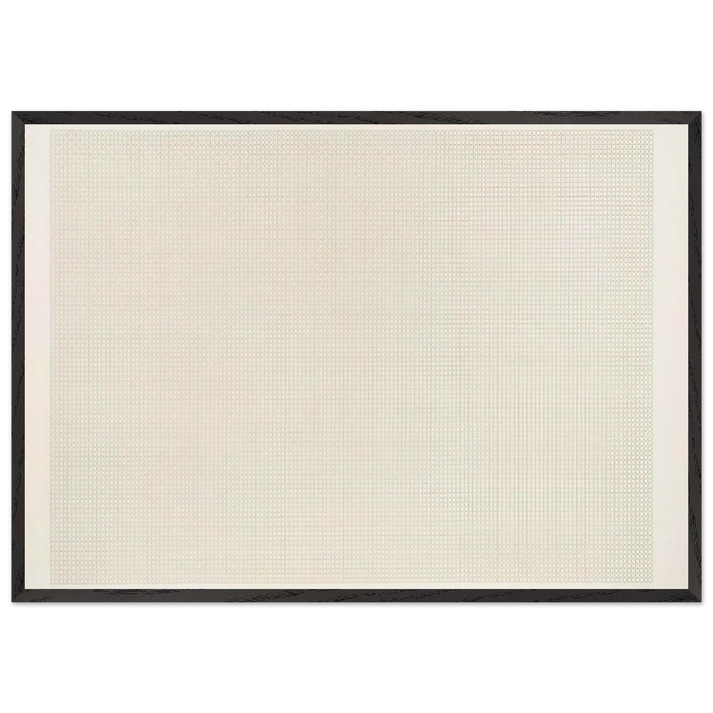
Fourths - 1969 - Mark Lancaster 70x100 cm / 28x40 inches Framed Art Print – Black Wooden Frame
Fourths - 1969 - Mark Lancaster 70x100 cm / 28x40 inches Framed Art Print – Black Wooden Frame
Couldn't load pickup availability
Fourths (1969) by Mark Lancaster: A Minimalist Masterpiece
Elevate your space with Fourths (1969), a striking framed art print by British artist Mark Lancaster. This museum-quality reproduction captures the precise geometric abstraction and subtle tonal variations of the original, offering a sophisticated focal point for modern interiors. Lancaster, a key figure in the 1960s British art scene, explores rhythm and division through this minimalist composition, where four equal sections create a harmonious yet dynamic visual field.
This fine art print is meticulously crafted on archival museum-quality paper—250 gsm (110 lb), matte, uncoated, and natural white—ensuring exceptional detail and longevity. It arrives ready-to-hang in a sleek black wooden frame made from responsibly sourced oak and ash wood, with a substantial 20mm (0.79") thickness for a bold, contemporary presence. The shatterproof plexiglass provides durable protection while maintaining clarity, and the FSC-certified materials reflect our commitment to sustainability.
Dimensions: 70x100 cm / 28x40 inches (framed).
RedKalion delivers premium reproductions that honor artistic integrity, combining historical accuracy with archival-grade craftsmanship. Invest in a piece that endures—a testament to minimalist elegance and timeless design.
Discover Unlimited Art Possibilities
At RedKalion, you can find virtually any artwork from any artist, available in a wide range of sizes to perfectly match your space.
If you didn’t find what you’re looking for, contact us at support@redkalion.com . We will source any artwork and produce it in any size and format you need, including art prints, posters, canvas, framed pieces, framed canvas, and more.
For dedicated art enthusiasts, we also offer handcrafted replicas of any artwork, carefully painted by highly skilled artists using traditional techniques.
For custom requests, contact us at support@redkalion.com .
What is the artwork Fourths (1969) by Mark Lancaster about?
Fourths is a minimalist geometric abstraction from 1969 by British artist Mark Lancaster, exploring division and rhythm through four equal sections, reflecting the 1960s avant-garde art movement.
What are the specifications of the paper used for this fine art print?
The print uses archival museum-quality paper: 250 gsm (110 lb) weight, 0.29 mm (11.4 mils) thickness, matte uncoated finish, and natural white color, ideal for premium reproductions.
What materials are used in the black wooden frame for this framed art print?
The frame is made from responsibly sourced oak and ash wood, 20mm (0.79") thick and wide, with a shatterproof plexiglass front for durable protection and clear display.
Is this framed print ready to hang, and what is included?
Yes, it arrives ready-to-hang with a hanging kit installed, allowing immediate wall display without additional assembly for your convenience.
How does RedKalion ensure the longevity and quality of this museum-quality reproduction?
We use FSC-certified sustainable paper and archival-grade materials, combined with precise printing techniques, to ensure fade resistance and durability for years.
What artistic movement is Mark Lancaster associated with, and how does Fourths reflect this?
Mark Lancaster is linked to 1960s British minimalism and conceptual art; Fourths showcases his focus on geometric precision and systematic composition, typical of this era.
Can you describe the visual impact of the four equal sections in this artwork?
The four sections create a balanced yet dynamic grid, using subtle tonal shifts to evoke rhythm and spatial depth, enhancing its minimalist aesthetic in any room.