RedKalion
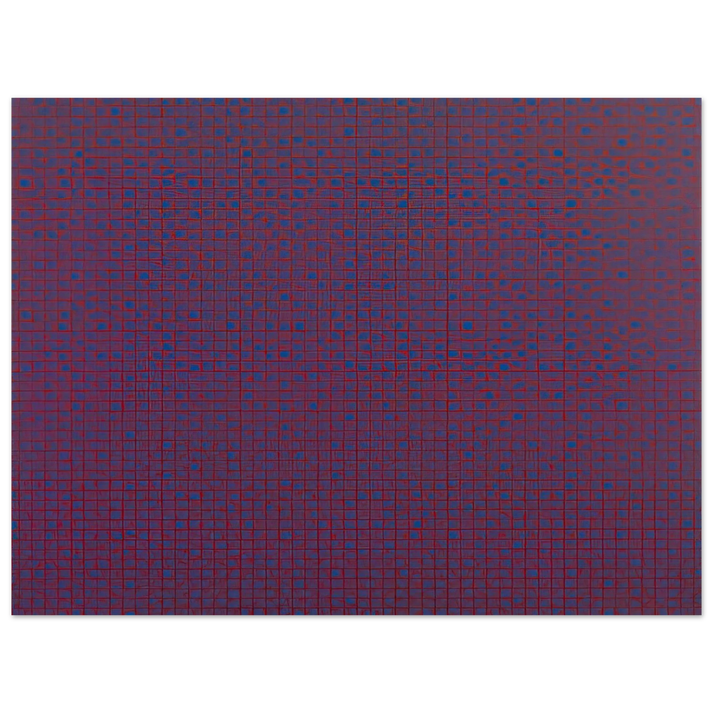
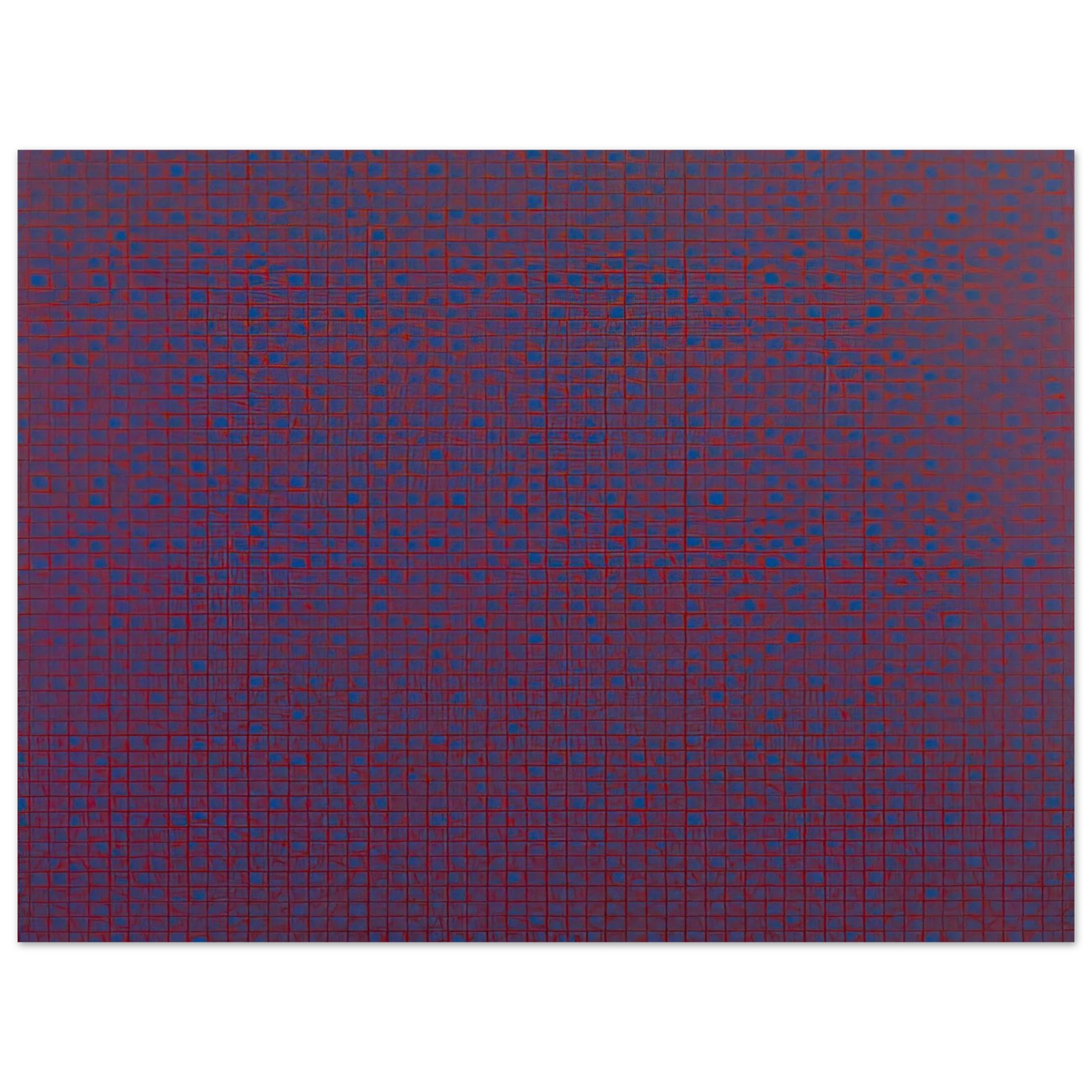
Francois Morellet - 4 trames 22°5, 45°, 67°5, 90° - 1969 75x100 cm / 30x40inches Fine Art Poster
Francois Morellet - 4 trames 22°5, 45°, 67°5, 90° - 1969 75x100 cm / 30x40inches Fine Art Poster
Couldn't load pickup availability
François Morellet - 4 trames 22°5, 45°, 67°5, 90° - 1969
Discover the precision and conceptual elegance of François Morellet's 4 trames 22°5, 45°, 67°5, 90°, a seminal work from 1969 that exemplifies the artist's pioneering role in geometric abstraction and the GRAV (Groupe de Recherche d'Art Visuel) movement. This fine art print captures the original's systematic arrangement of four overlapping grids at precise angles—22.5°, 45°, 67.5°, and 90°—creating a dynamic interplay of lines that challenges perception and invites contemplation. Morellet's methodical approach, rooted in mathematical principles and chance, reflects a mid-century shift towards minimalism and optical art, making this piece a timeless statement of intellectual rigor and aesthetic clarity.
At RedKalion, we honor this museum-quality reproduction with our Master's Edition archival paper, ensuring every detail of the 75x100 cm (30x40 inches) composition is rendered with fidelity. The matte, uncoated finish in a natural white hue enhances the artwork's subtle textures, while the acid-free, FSC-certified paper guarantees archival longevity, preventing yellowing over decades. Printed on demand with no minimum orders, this fine art poster offers a sustainable, premium addition to any space, from modern offices to curated galleries.
- Dimensions: 75x100 cm / 30x40 inches
- Paper: Master's Edition archival paper, museum-quality, matte finish, natural white (off-white)
- Longevity: Acid-free (pH above 7) for resistance to yellowing
- Weight & Thickness: 250 gsm (110 lb), 0.29 mm (11.4 mils) thickness
- Sustainability: FSC-certified paper
- Fulfillment: Printed and shipped on demand, no minimum orders
Elevate your environment with an archival masterpiece that endures, blending art historical significance with RedKalion's commitment to excellence in fine art prints.
Discover Unlimited Art Possibilities
At RedKalion, you can find virtually any artwork from any artist, available in a wide range of sizes to perfectly match your space.
If you didn’t find what you’re looking for, contact us at support@redkalion.com . We will source any artwork and produce it in any size and format you need, including art prints, posters, canvas, framed pieces, framed canvas, and more.
For dedicated art enthusiasts, we also offer handcrafted replicas of any artwork, carefully painted by highly skilled artists using traditional techniques.
For custom requests, contact us at support@redkalion.com .
What are the dimensions and details of this François Morellet fine art print?
This museum-quality reproduction measures 75x100 cm (30x40 inches) and features Morellet's 1969 work 4 trames 22°5, 45°, 67°5, 90°, showcasing precise geometric grids for a minimalist aesthetic.
What type of paper is used for this archival fine art poster?
It's printed on Master's Edition archival paper with a matte, uncoated finish in natural white, offering a luxurious texture and acid-free properties for long-lasting museum-quality reproductions.
How is this fine art print shipped and what are the ordering options?
We print and ship on demand with no minimum orders, ensuring efficient fulfillment for premium geometric abstraction prints like this Morellet piece.
What makes this paper archival and resistant to yellowing over time?
The acid-free paper has a pH above 7, preventing yellowing and ensuring archival longevity for your François Morellet geometric art print.
Is this sustainable and what are the paper specifications?
Yes, it uses FSC-certified paper weighing 250 gsm (110 lb) with a 0.29 mm thickness, combining sustainability with durability for high-quality fine art posters.
What is the historical significance of Morellet's 4 trames series in geometric abstraction?
Created in 1969, this work exemplifies Morellet's role in GRAV, using mathematical grids to explore perception and minimalism, making it a key piece in optical art history.
How does Morellet's technique in this artwork reflect mid-century artistic movements?
Morellet employed systematic angles and chance, aligning with 1960s trends toward conceptual and geometric art, emphasizing precision and visual experimentation in fine art prints.