RedKalion
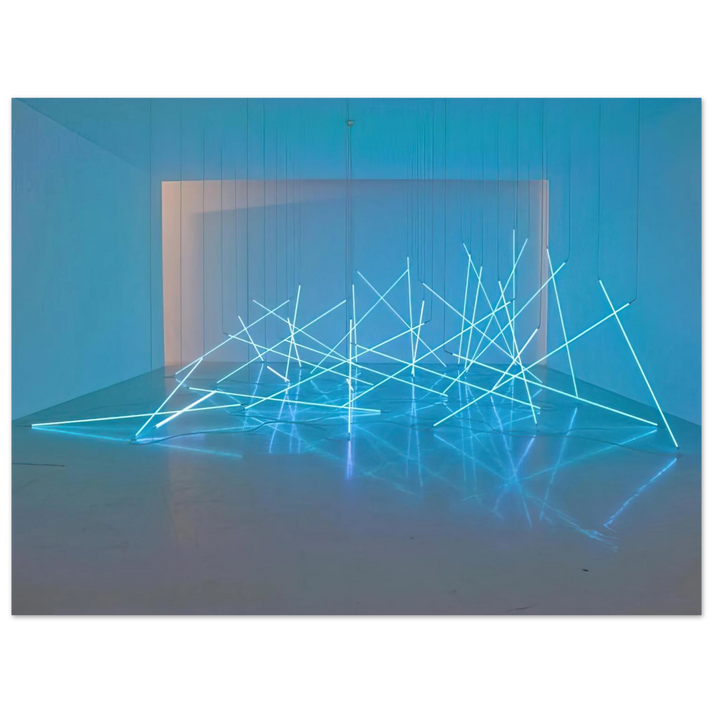
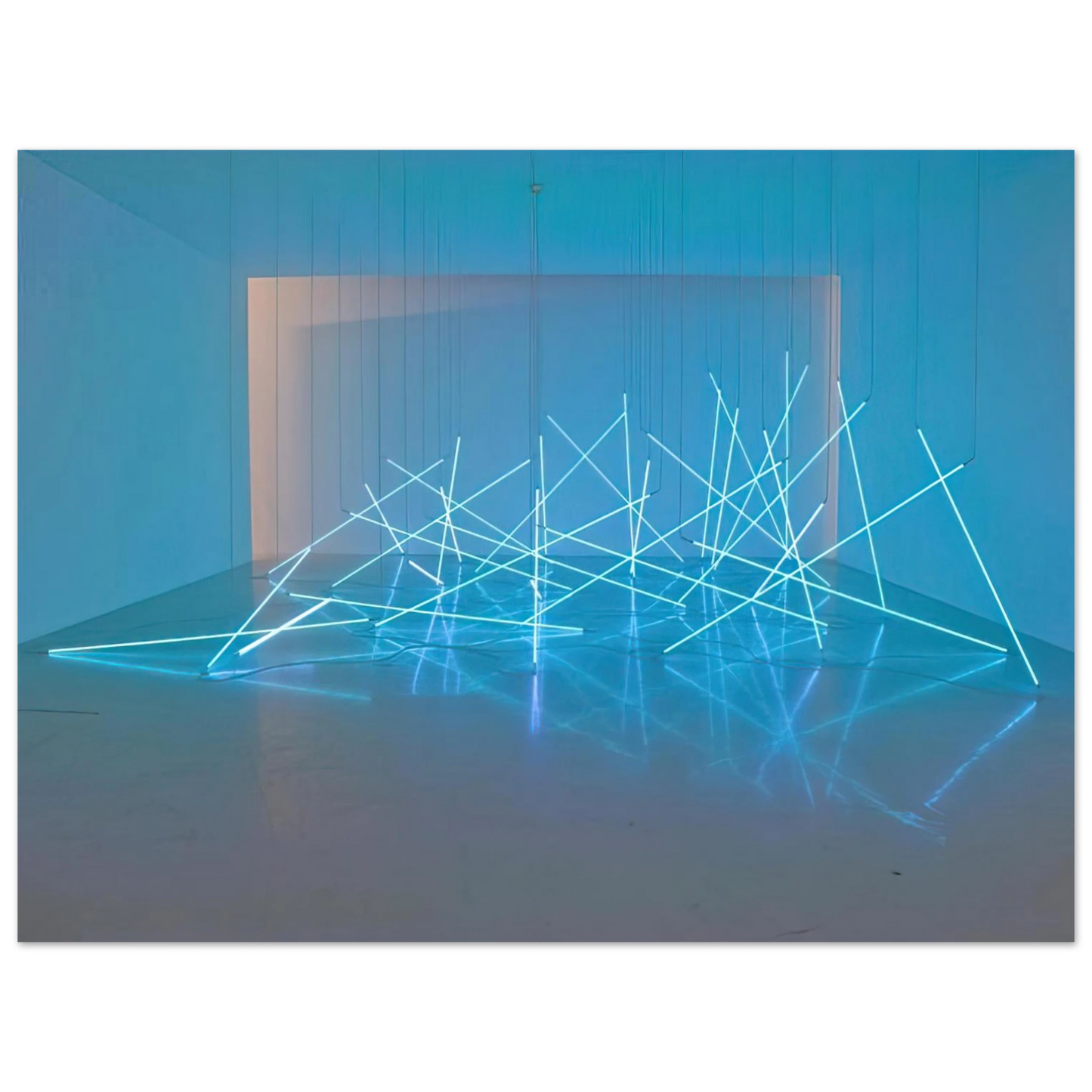
Francois Morellet - Avalanche - 1996 75x100 cm / 30x40inches Fine Art Poster
Francois Morellet - Avalanche - 1996 75x100 cm / 30x40inches Fine Art Poster
Couldn't load pickup availability
François Morellet - Avalanche (1996) - Museum-Quality Fine Art Print
Immerse yourself in the precise geometry and conceptual depth of François Morellet's Avalanche, a seminal work from 1996 that epitomizes the artist's pioneering role in the GRAV (Groupe de Recherche d'Art Visuel) movement. This minimalist masterpiece, measuring 75x100 cm (30x40 inches), explores systematic abstraction through a rigorous interplay of lines and forms, evoking a sense of dynamic order and intellectual clarity. Morellet's methodical approach, rooted in mathematical principles and chance operations, challenges traditional perceptions of art, making Avalanche a captivating centerpiece for modern interiors seeking sophistication and historical resonance.
RedKalion presents this artwork as an archival fine art print, meticulously reproduced on our exclusive Master's Edition paper. Crafted with a matte, uncoated finish in a natural white hue, this premium substrate offers a luxurious texture that mirrors the tactile quality of original works. The paper is acid-free (pH above 7) to ensure longevity, preventing yellowing and preserving the vibrant integrity of Morellet's composition for generations. With a substantial weight of 250 gsm (110 lb) and a thickness of 0.29 mm (11.4 mils), this print delivers exceptional durability and presence, while being sustainably sourced from FSC-certified materials. Printed and shipped on demand with no minimum orders, each piece is a testament to our commitment to curating world-class reproductions that elevate any space with enduring elegance.
- Dimensions: 75x100 cm / 30x40 inches
- Paper: Master's Edition archival paper, museum-quality
- Finish: Matte, uncoated, natural white (off-white)
- Longevity: Acid-free (pH above 7) to prevent yellowing
- Weight & Thickness: 250 gsm (110 lb), 0.29 mm (11.4 mils)
- Sustainability: FSC-certified paper
- Fulfillment: Printed and shipped on demand, no minimum orders
Elevate your environment with this archival masterpiece from RedKalion, where art history meets unparalleled craftsmanship in a reproduction designed to inspire and endure.
Discover Unlimited Art Possibilities
At RedKalion, you can find virtually any artwork from any artist, available in a wide range of sizes to perfectly match your space.
If you didn’t find what you’re looking for, contact us at support@redkalion.com . We will source any artwork and produce it in any size and format you need, including art prints, posters, canvas, framed pieces, framed canvas, and more.
For dedicated art enthusiasts, we also offer handcrafted replicas of any artwork, carefully painted by highly skilled artists using traditional techniques.
For custom requests, contact us at support@redkalion.com .
What are the dimensions of this François Morellet Avalanche fine art print?
This museum-quality reproduction measures 75x100 cm, equivalent to 30x40 inches, making it an ideal size for prominent display in homes or offices.
What type of paper is used for this archival print?
It is printed on Master's Edition archival paper, featuring a matte, uncoated finish in natural white for a luxurious texture and acid-free properties to ensure longevity.
How is this François Morellet poster shipped and fulfilled?
We print and ship on demand with no minimum orders, using sustainable FSC-certified paper for eco-friendly fulfillment of your fine art reproduction.
What makes this print archival and long-lasting?
The paper is acid-free with a pH above 7, preventing yellowing over time, and has a weight of 250 gsm (110 lb) for durability in your art collection.
Can you describe the finish and texture of this art print?
It features a matte, uncoated finish in natural white, offering a premium, off-white texture that enhances the visual appeal of Morellet's geometric composition.
What is the historical significance of François Morellet's Avalanche from 1996?
Avalanche reflects Morellet's role in the GRAV movement, using systematic abstraction and mathematical principles to challenge traditional art forms in the late 20th century.
How does Morellet's technique influence the design of Avalanche?
Morellet employed methodical processes and chance operations, creating a dynamic interplay of lines that evokes intellectual clarity and minimalist aesthetics in this 1996 work.