RedKalion
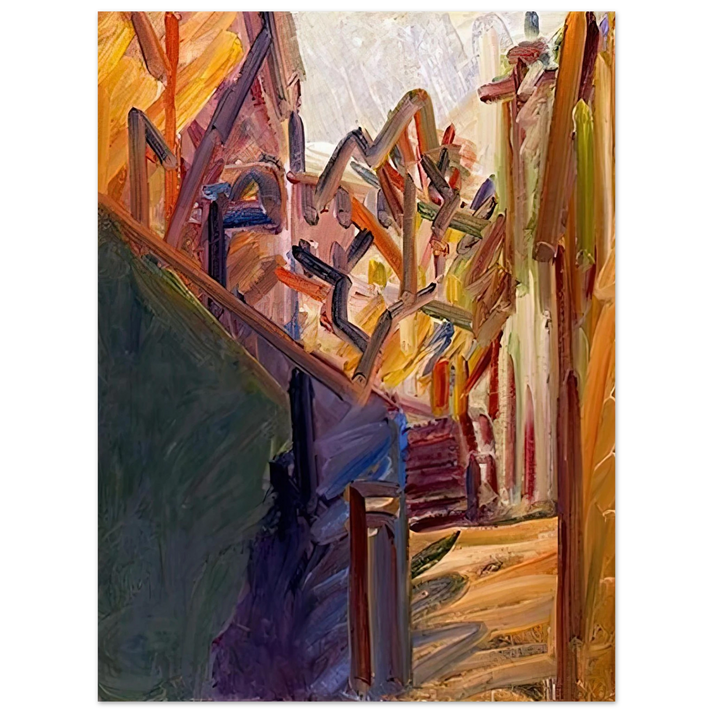
Frank Auerbach - ALBERO DI FRONTE 1 75x100 cm / 30x40inches Fine Art Poster
Frank Auerbach - ALBERO DI FRONTE 1 75x100 cm / 30x40inches Fine Art Poster
Couldn't load pickup availability
Frank Auerbach - ALBERO DI FRONTE 1: A Monumental Expressionist Masterpiece
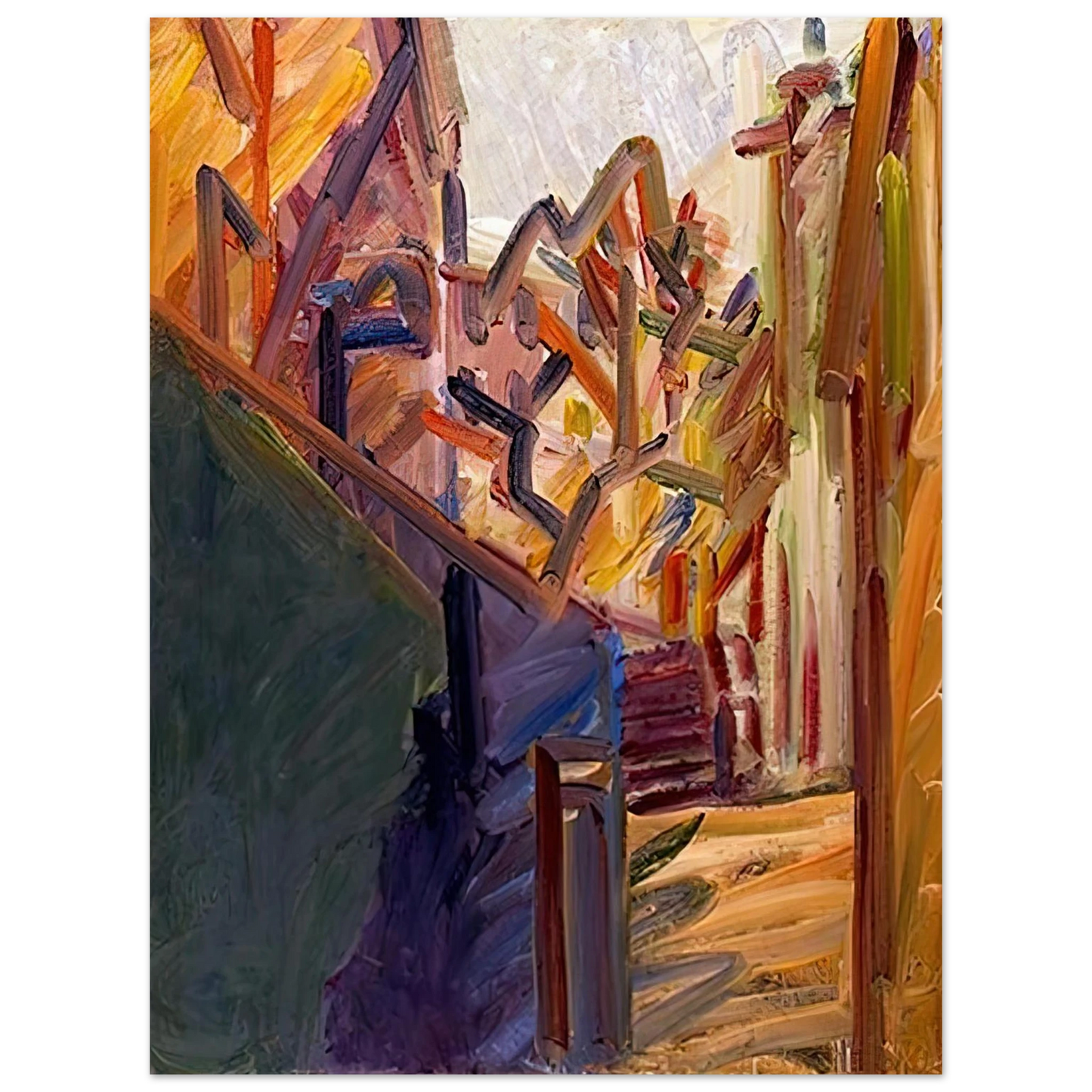
Experience the raw, visceral energy of Frank Auerbach's ALBERO DI FRONTE 1 ("Tree in Front 1"), now available as an exclusive museum-quality fine art print from RedKalion. This powerful 75x100 cm / 30x40 inches reproduction captures every impasto stroke and textured nuance of Auerbach's iconic expressionist work, transforming any space into a gallery of modern art.
Created during Auerbach's prolific post-war period in London, ALBERO DI FRONTE 1 exemplifies his revolutionary approach to painting. Working obsessively from the same urban subjects—buildings, trees, and figures—Auerbach built up thick layers of paint over months or years, scraping away and reworking until the surface became a physical record of time and perception. This particular tree study reveals his fascination with the enduring forms of nature amidst the changing cityscape, rendered with an almost sculptural intensity that blurs the line between abstraction and representation.
At RedKalion, we honor this artistic legacy with our Master's Edition archival paper, specifically selected to replicate the tactile quality of Auerbach's original. The matte, uncoated finish in a natural white hue enhances the work's depth without glare, while the substantial 250 gsm (110 lb) weight and 0.29 mm thickness ensure a luxurious, durable presentation. Printed on FSC-certified, acid-free paper (pH above 7), this fine art poster is designed to resist yellowing and preserve its vibrancy for generations, making it a sustainable heirloom for discerning collectors.
Elevate your home or office with this archival masterpiece that bridges mid-century expressionism and contemporary design. RedKalion's on-demand printing ensures each ALBERO DI FRONTE 1 print is crafted with precision and shipped directly to you, ready to inspire daily.
Discover Unlimited Art Possibilities
At RedKalion, you can find virtually any artwork from any artist, available in a wide range of sizes to perfectly match your space.
If you didn’t find what you’re looking for, contact us at support@redkalion.com . We will source any artwork and produce it in any size and format you need, including art prints, posters, canvas, framed pieces, framed canvas, and more.
For dedicated art enthusiasts, we also offer handcrafted replicas of any artwork, carefully painted by highly skilled artists using traditional techniques.
For custom requests, contact us at support@redkalion.com .
What are the exact dimensions of this Frank Auerbach fine art print?
This museum-quality reproduction measures 75x100 cm (approximately 30x40 inches), matching the scale and impact of Auerbach's original expressionist work for a gallery-worthy display.
What type of paper is used for RedKalion's Master's Edition prints?
We use premium archival paper that is acid-free (pH above 7), FSC-certified, and 250 gsm thick with a matte, uncoated finish to ensure longevity and a luxurious texture for fine art reproductions.
How is this Frank Auerbach poster printed and shipped?
Each print is produced on-demand with no minimum orders, using high-quality techniques and shipped directly to you for a fresh, custom archival art piece.
Will this ALBERO DI FRONTE 1 print fade or yellow over time?
No, our acid-free, museum-quality paper prevents yellowing, and archival inks ensure the expressionist colors of Auerbach's tree study remain vibrant for decades.
What is the significance of ALBERO DI FRONTE 1 in Frank Auerbach's career?
This work reflects Auerbach's post-war focus on urban nature, using thick impasto layers to explore perception and time, making it a key example of his expressionist style.
Why did Frank Auerbach often paint trees like this one?
Auerbach was drawn to trees as enduring forms in London's changing landscape, using them to study light, structure, and emotional depth through his signature textured technique.