

RedKalion
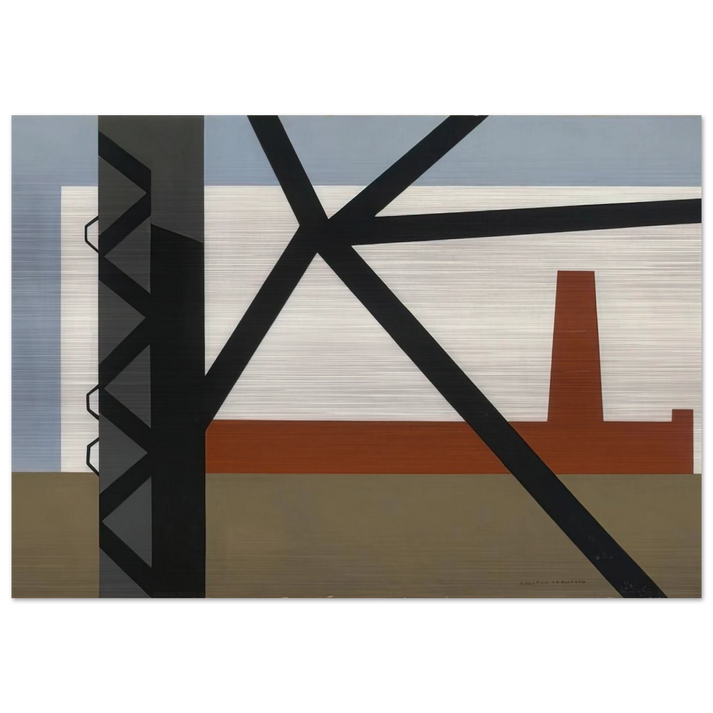
From the Bridge - 1942 - Ralston Crawford Brushed Aluminum Print - 70x100 cm / 28x40 inches | Ralston Crawford Aluminum Print | Ralston Crawford Prints
From the Bridge - 1942 - Ralston Crawford Brushed Aluminum Print - 70x100 cm / 28x40 inches | Ralston Crawford Aluminum Print | Ralston Crawford Prints
Couldn't load pickup availability
From the Bridge - 1942 by Ralston Crawford: Precisionist Masterpiece on Brushed Aluminum
Elevate your space with Ralston Crawford's iconic 1942 painting, From the Bridge, now available as a museum-quality reproduction on premium brushed silver Aluminum DIBOND®. This fine art print captures the stark geometric forms and industrial energy of Crawford's Precisionist vision, rendered in a striking 70x100 cm (28x40 inches) format that commands attention.
As a leading figure in American Precisionism, Ralston Crawford (1906–1978) distilled the modern landscape into clean lines and abstracted shapes, reflecting the dynamism of bridges, factories, and urban structures. From the Bridge exemplifies his mastery of reducing complex scenes to their essential forms, creating a timeless composition that balances power and elegance. This archival-grade reproduction ensures every sharp angle and tonal contrast is preserved with fidelity.
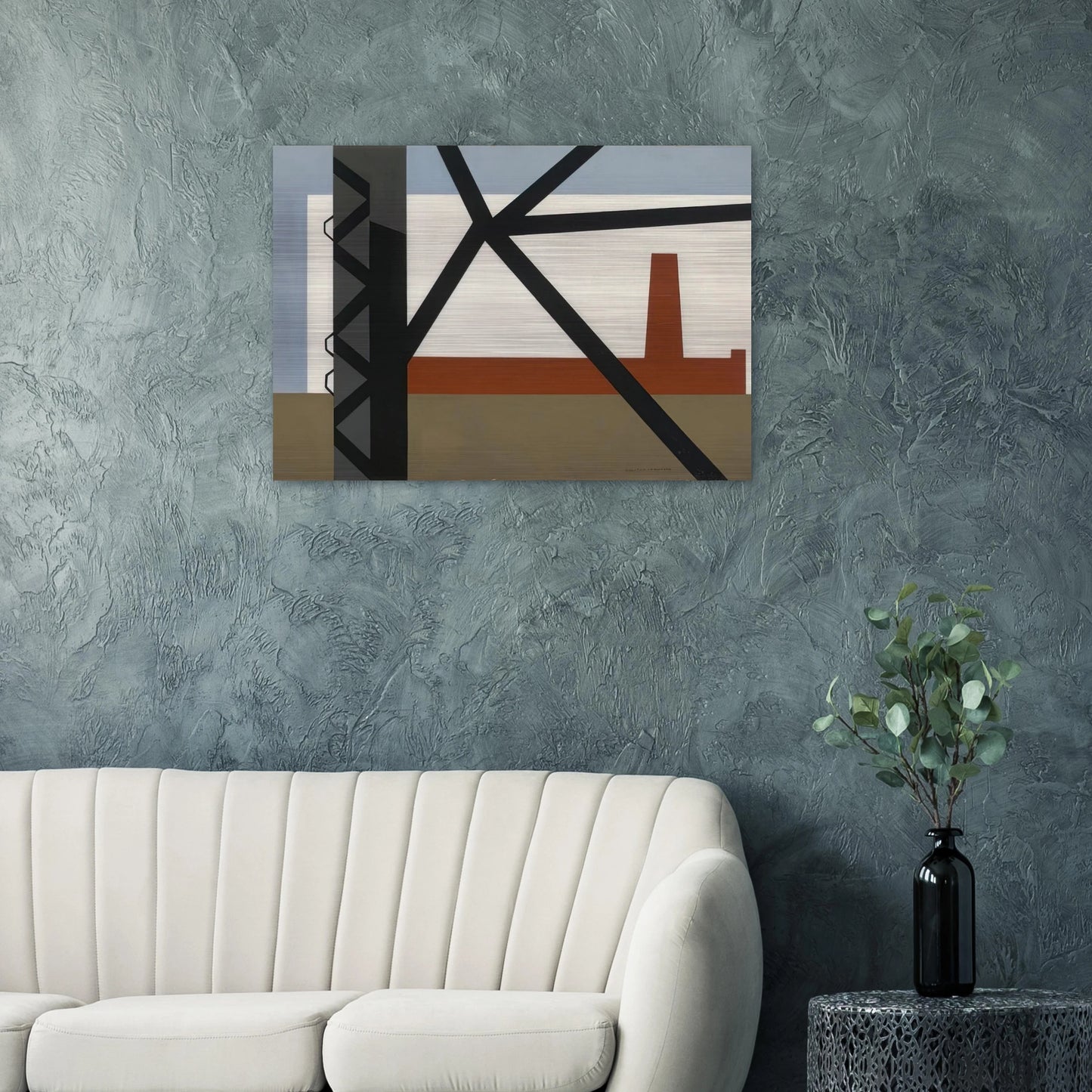
Our brushed silver Aluminum DIBOND® print features a 3mm (0.12") rigid base for durability, with a direct print technique that delivers vivid colors and a matte, glare-free finish. The horizontal grain enhances the metallic silver effect in unprinted areas, adding depth and a contemporary edge ideal for black-and-white designs. Each piece includes a complete hanging kit, ready to transform your home or office into a gallery-worthy environment.
At RedKalion, we specialize in archival-grade reproductions that honor artistic legacy. Trust our expertise to bring this Ralston Crawford print into your collection—a testament to industrial modernity and refined aesthetic sensibility.


Discover Unlimited Art Possibilities
At RedKalion, you can find virtually any artwork from any artist, available in a wide range of sizes to perfectly match your space.
If you didn’t find what you’re looking for, contact us at support@redkalion.com . We will source any artwork and produce it in any size and format you need, including art prints, posters, canvas, framed pieces, framed canvas, and more.
For dedicated art enthusiasts, we also offer handcrafted replicas of any artwork, carefully painted by highly skilled artists using traditional techniques.
For custom requests, contact us at support@redkalion.com .
What are the dimensions and material of this Ralston Crawford print?
This fine art print measures 70x100 cm (28x40 inches) and is crafted on brushed silver Aluminum DIBOND® with a 3mm thickness for a durable, museum-quality reproduction.
How does the brushed aluminum finish enhance the artwork?
The horizontal grain and metallic silver effect in unprinted areas add dynamic depth, making it ideal for black-and-white designs with a striking, contemporary look.
Is the print ready to hang, and what is included?
Yes, a complete hanging kit is included with your order, though specific components may vary by fulfillment country for easy installation.
What printing technique is used for this aluminum print?
We use direct printing on Aluminum DIBOND® for vivid colors and a matte, glare-free finish, ensuring archival longevity and sharp detail.
How should I care for and clean this aluminum art print?
Gently dust with a soft, dry cloth; avoid harsh chemicals to preserve the matte finish and metallic effect of your archival-grade reproduction.
What is the historical significance of From the Bridge by Ralston Crawford?
Created in 1942, this Precisionist work captures industrial modernity through geometric abstraction, reflecting Crawford's focus on bridges and urban structures during wartime America.
Why is Ralston Crawford associated with the Precisionist movement?
Ralston Crawford was a key Precisionist artist known for simplifying industrial scenes into clean, abstract forms, emphasizing order and modernity in mid-20th century American art.