

RedKalion
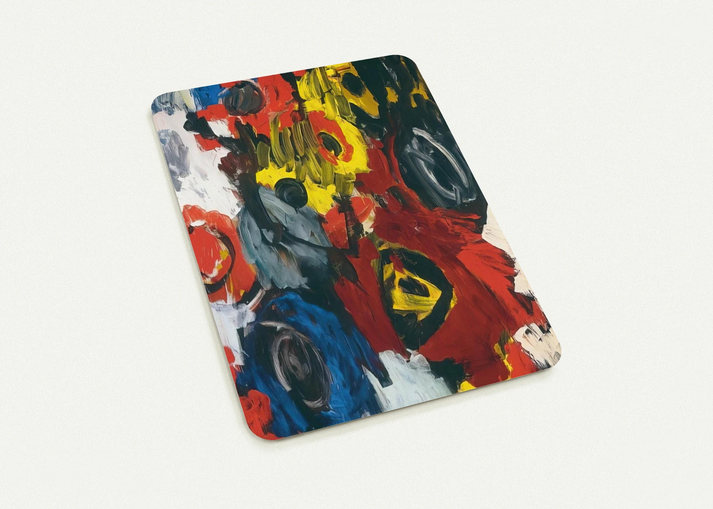
Furioso - 1963 By Ernst Wilhelm Nay Pack of 10 Post Cards | Ernst Wilhelm Nay Post Cards | A6 (10.5 x 14.8 cm) - 4.1 x 5.8 inches
Furioso - 1963 By Ernst Wilhelm Nay Pack of 10 Post Cards | Ernst Wilhelm Nay Post Cards | A6 (10.5 x 14.8 cm) - 4.1 x 5.8 inches
Couldn't load pickup availability
Furioso - 1963 by Ernst Wilhelm Nay: A Pack of 10 Post Cards
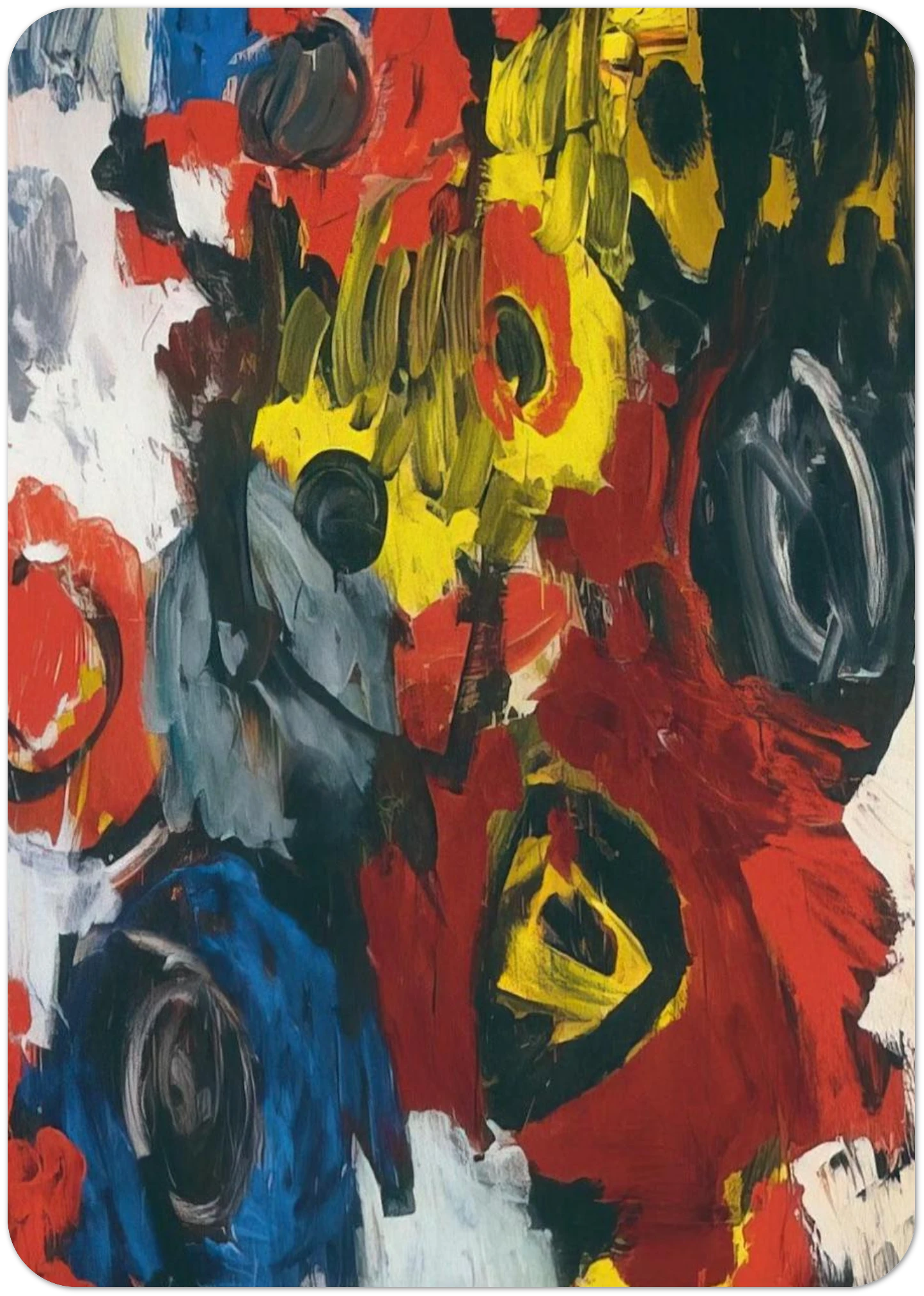
Capture the dynamic energy of mid-century abstraction with this exclusive pack of 10 post cards featuring Ernst Wilhelm Nay's "Furioso" (1963). This museum-quality reproduction brings Nay's vibrant, rhythmic composition to life, making it a perfect choice for art enthusiasts seeking fine art prints in a versatile, flat post card format. Each card in this pack measures A6 (10.5 x 14.8 cm / 4.1 x 5.8 inches), ideal for mailing, framing, or creative displays.
Ernst Wilhelm Nay, a leading figure in post-war German art, created "Furioso" during his late period, where he explored bold, non-representational forms and intense color harmonies. This piece exemplifies his mastery of abstract expressionism, evoking a sense of movement and emotional intensity through swirling shapes and a rich palette. As a premium reproduction from RedKalion, this pack offers an accessible way to own a slice of art history, with each card printed on demand to ensure archival quality.
Our 12-color fine art printing technology delivers vivid, accurate colors with stunning depth, far surpassing standard 4-color inkjet methods. Printed on environmentally conscious, FSC-certified paper with a smooth matte finish (200 gsm / 80 lb, 0.26 mm thickness), these post cards provide a clean, glare-free display that honors Nay's original vision. Elevate your correspondence or decor with this archival-grade set, available in a variety of sizes to suit any occasion.
- Pack of 10 Post Cards: Perfect for gifting, collecting, or everyday use.
- Color Vibrancy: 12-color printing for museum-quality color accuracy.
- Paper Specifications: 200 gsm FSC-certified paper with a smooth matte finish.
- Eco-Friendly: Printed on demand with no minimum orders, reducing waste.


Discover Unlimited Art Possibilities
At RedKalion, you can find virtually any artwork from any artist, available in a wide range of sizes to perfectly match your space.
If you didn’t find what you’re looking for, contact us at support@redkalion.com . We will source any artwork and produce it in any size and format you need, including art prints, posters, canvas, framed pieces, framed canvas, and more.
For dedicated art enthusiasts, we also offer handcrafted replicas of any artwork, carefully painted by highly skilled artists using traditional techniques.
For custom requests, contact us at support@redkalion.com .
What is the historical significance of Ernst Wilhelm Nay's "Furioso" (1963)?
"Furioso" (1963) represents Ernst Wilhelm Nay's late abstract period, showcasing his innovative use of color and form in post-war German art, making it a key piece for collectors of fine art prints.
What are the dimensions and paper details for these post cards?
Each post card measures A6 (10.5 x 14.8 cm / 4.1 x 5.8 inches), printed on 200 gsm FSC-certified paper with a smooth matte finish, ideal for high-quality art reproductions.
How does the printing technology ensure color accuracy?
Our 12-color fine art printing delivers vivid, accurate colors with stunning depth, surpassing standard 4-color inkjet technology for museum-quality reproductions.
Are these post cards eco-friendly and how are they shipped?
Yes, they are printed on FSC-certified paper on demand, reducing waste. Shipping is handled securely, with details provided at checkout for reliable delivery.
What is the archival longevity of these prints?
Made with archival-grade materials and 12-color printing, these post cards are designed to resist fading, ensuring long-lasting vibrancy for your fine art collection.
Can I use these post cards for framing or mailing?
Absolutely! Their A6 size and flat design make them perfect for framing as mini art prints or for mailing as unique, artistic post cards.
What makes Nay's "Furioso" a notable abstract expressionist work?
"Furioso" exemplifies Nay's rhythmic compositions and emotional intensity through bold colors and dynamic forms, highlighting his role in abstract art history.