

RedKalion
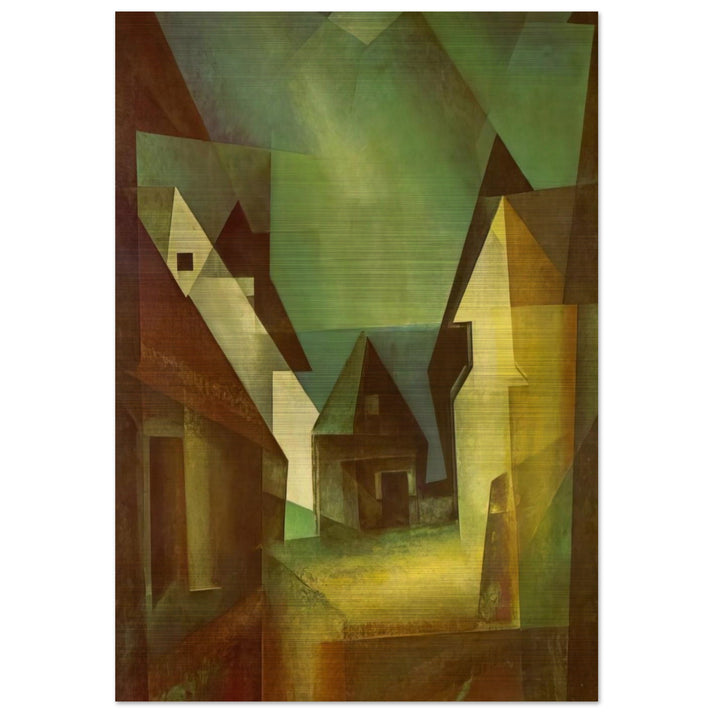
GABERNDORF II 1924 - Lyonel Feininger Brushed Aluminum Print - 70x100 cm / 28x40 inches | Lyonel Feininger Aluminum Print | Lyonel Feininger Prints
GABERNDORF II 1924 - Lyonel Feininger Brushed Aluminum Print - 70x100 cm / 28x40 inches | Lyonel Feininger Aluminum Print | Lyonel Feininger Prints
Couldn't load pickup availability
GABERNDORF II 1924 - Lyonel Feininger Brushed Aluminum Print
Immerse yourself in the architectural poetry of Lyonel Feininger's Gaberndorf II 1924, a masterful example of German Expressionism now available as a museum-quality reproduction from RedKalion. This fine art print captures Feininger's unique fusion of Cubist fragmentation and dynamic composition, depicting the quaint village of Gaberndorf with crystalline precision and emotional depth. As a pivotal figure of the Bauhaus movement, Feininger employed sharp angles and intersecting planes to evoke a sense of timeless serenity, making this piece a sophisticated statement for modern interiors.
Our premium brushed silver Aluminum DIBOND® print elevates Feininger's vision with archival excellence. Measuring 70x100 cm / 28x40 inches, this reproduction features a 3mm (0.12") thick, rigid base that ensures durability without compromising elegance. The direct print on AluDibond delivers vivid, fade-resistant colors and a matte, glare-free finish, while unprinted white areas reveal a striking metallic silver effect that enhances the artwork's geometric allure. Each print includes a complete hanging kit for seamless installation, allowing you to transform any space into a gallery-worthy showcase.
At RedKalion, we specialize in curating archival-grade reproductions that honor artistic legacy. This Lyonel Feininger aluminum print is crafted to endure, combining historical authenticity with contemporary craftsmanship. Elevate your home or office with a piece that bridges early 20th-century innovation and modern design, offering a conversation-starting focal point that resonates with art enthusiasts and collectors alike.


Discover Unlimited Art Possibilities
At RedKalion, you can find virtually any artwork from any artist, available in a wide range of sizes to perfectly match your space.
If you didn’t find what you’re looking for, contact us at support@redkalion.com . We will source any artwork and produce it in any size and format you need, including art prints, posters, canvas, framed pieces, framed canvas, and more.
For dedicated art enthusiasts, we also offer handcrafted replicas of any artwork, carefully painted by highly skilled artists using traditional techniques.
For custom requests, contact us at support@redkalion.com .
What are the dimensions of this Lyonel Feininger aluminum print?
This fine art print measures 70x100 cm (28x40 inches), providing a substantial presence ideal for gallery-style displays in living rooms, offices, or creative spaces.
What material is used for the brushed aluminum print?
It's crafted from brushed silver Aluminum DIBOND® with a 3mm thickness, offering a durable, rigid base with a metallic finish and horizontal grain for dynamic visual appeal.
How is the print applied to the aluminum surface?
We use direct printing on AluDibond, ensuring vivid colors and a matte finish. Unprinted areas reveal a metallic silver effect, enhancing the artwork's striking brushed silver look.
Is a hanging kit included with the aluminum art print?
Yes, a complete hanging kit is included; specific components may vary by fulfillment country to ensure secure and easy installation.
How durable and archival is this aluminum print?
Our museum-quality reproductions are designed for longevity, with fade-resistant inks and a sturdy 3mm Aluminum DIBOND® base that resists warping and environmental damage.
What artistic movement does Gaberndorf II 1924 represent?
This artwork exemplifies German Expressionism and Bauhaus influences, showcasing Feininger's use of Cubist techniques to depict village scenes with geometric abstraction and emotional depth.
Why did Lyonel Feininger choose Gaberndorf as a subject?
Feininger often painted Gaberndorf to explore architectural harmony and rural tranquility, using sharp lines and fragmented forms to create a timeless, serene composition that reflects his Bauhaus ideals.