RedKalion
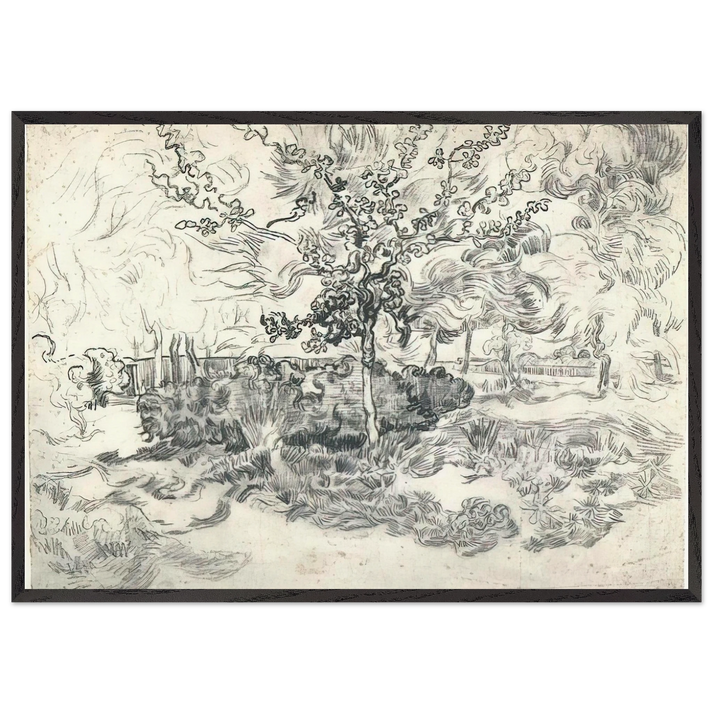
Garden of the Asylum - Vincent van Gogh 70x100 cm / 28x40 inches Framed Art Print – Black Wooden Frame
Garden of the Asylum - Vincent van Gogh 70x100 cm / 28x40 inches Framed Art Print – Black Wooden Frame
Couldn't load pickup availability
Garden of the Asylum by Vincent van Gogh: A Framed Masterpiece
Immerse yourself in the turbulent beauty of Vincent van Gogh's Garden of the Asylum, a poignant work created during his stay at the Saint-Paul-de-Mausole asylum in Saint-Rémy in 1889. This museum-quality framed art print captures the artist's expressive brushwork and vibrant color palette, offering a window into his emotional state during this pivotal period. Van Gogh's technique here—with its swirling, rhythmic strokes—transforms a simple garden scene into a profound meditation on nature and resilience, reflecting his search for solace amidst personal turmoil.
RedKalion presents this archival reproduction on premium 250 gsm (110 lb) matte, uncoated paper, ensuring a natural white finish that honors the original's texture. The print is elegantly framed in a responsibly sourced black wooden frame made from oak and ash wood, measuring 20mm thick for a substantial, gallery-worthy presence. Protected by shatterproof plexiglass, this ready-to-hang piece includes a hanging kit for effortless display. Elevate your space with a sustainable, FSC-certified masterpiece that endures, bringing the emotional depth of Post-Impressionist art into your home.
- Dimensions: 70x100 cm / 28x40 inches (framed size)
- Frame: Black wooden frame (oak and ash, 20mm thick)
- Paper: 250 gsm matte archival paper, 0.29 mm thickness
- Protection: Shatterproof plexiglass
- Sustainability: FSC-certified materials
- Ready-to-Hang: Includes hanging kit

Discover Unlimited Art Possibilities
At RedKalion, you can find virtually any artwork from any artist, available in a wide range of sizes to perfectly match your space.
If you didn’t find what you’re looking for, contact us at support@redkalion.com . We will source any artwork and produce it in any size and format you need, including art prints, posters, canvas, framed pieces, framed canvas, and more.
For dedicated art enthusiasts, we also offer handcrafted replicas of any artwork, carefully painted by highly skilled artists using traditional techniques.
For custom requests, contact us at support@redkalion.com .
What is the historical significance of Garden of the Asylum by Vincent van Gogh?
Painted in 1889 during van Gogh's stay at the Saint-Paul-de-Mausole asylum, this work reflects his emotional turmoil and innovative Post-Impressionist style, using swirling brushstrokes to convey nature's therapeutic power.
What are the specifications of the paper used for this fine art print?
This museum-quality reproduction uses 250 gsm (110 lb) matte, uncoated archival paper with a 0.29 mm thickness, ensuring durability and a natural white finish for authentic color representation.
How is the framed art print shipped and ready for display?
It arrives ready-to-hang with a hanging kit included, securely packaged to protect the black wooden frame and shatterproof plexiglass during transit.
What makes the frame sustainable and durable for this archival print?
The frame is crafted from responsibly sourced oak and ash wood, 20mm thick for sturdiness, and uses FSC-certified materials to support environmental sustainability.
How does the plexiglass protect this van Gogh reproduction long-term?
Shatterproof plexiglass shields the print from UV light, dust, and damage, preserving the vibrant colors and archival quality of this fine art reproduction for years.
Why did van Gogh choose this garden scene during his asylum period?
Van Gogh depicted the asylum garden to explore nature's calming influence, using expressive techniques to process his mental health struggles, making it a key work from his late career.
How does the 20mm frame enhance this artwork compared to standard frames?
The 20mm thick frame provides a wider, more substantial profile than classic 14mm frames, adding a gallery-like presence that complements van Gogh's bold artistic style.