RedKalion
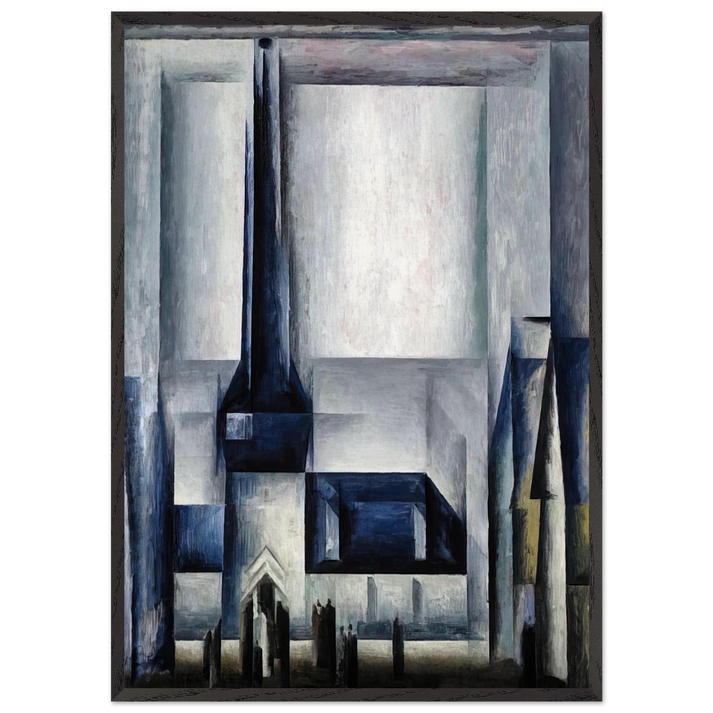
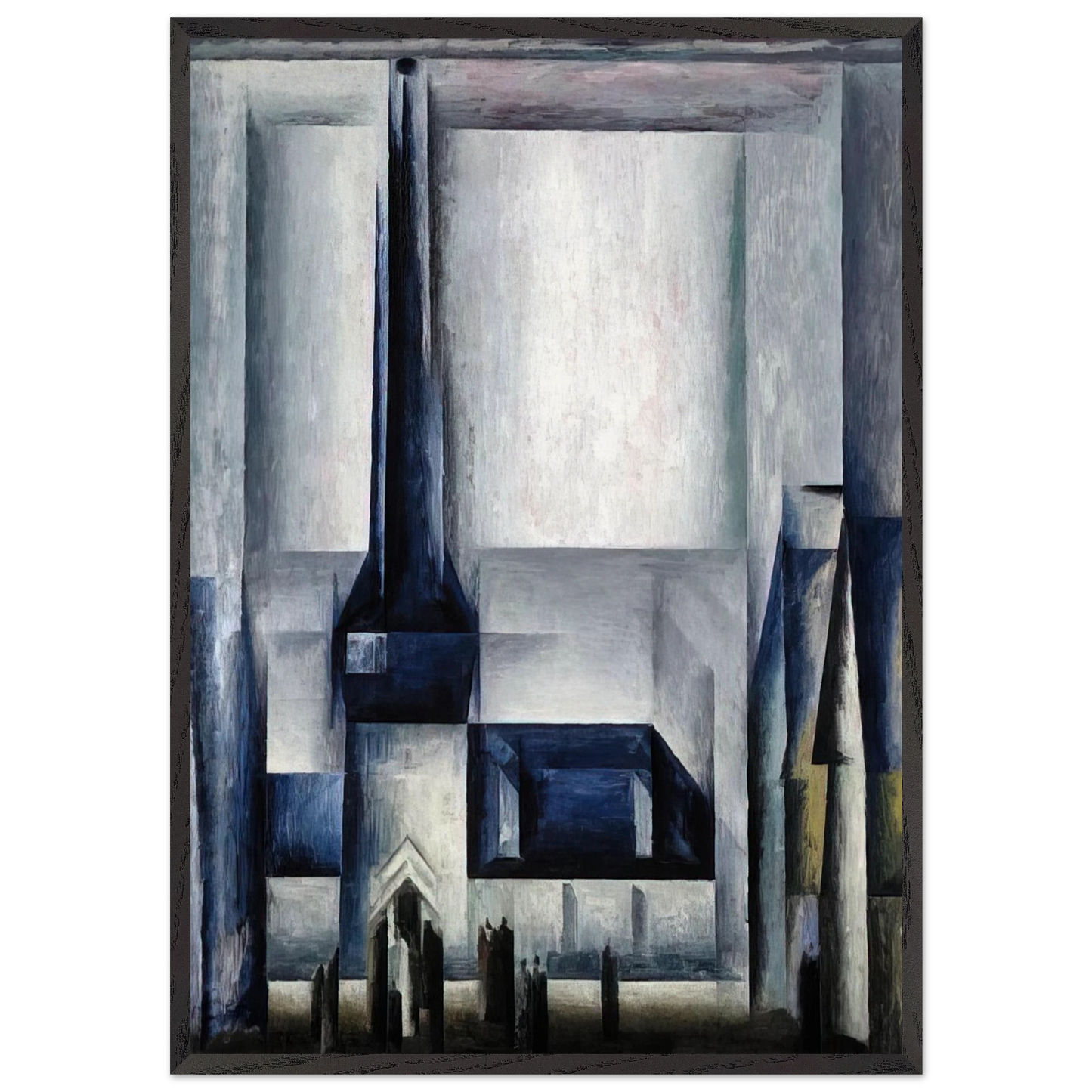
GELMERODA III 1913 - Lyonel Feininger 70x100 cm / 28x40 inches Framed Art Print – Black Wooden Frame
GELMERODA III 1913 - Lyonel Feininger 70x100 cm / 28x40 inches Framed Art Print – Black Wooden Frame
Couldn't load pickup availability
Gelmeroda III (1913) by Lyonel Feininger
Immerse yourself in the architectural poetry of Lyonel Feininger's Gelmeroda III, a 1913 masterpiece that captures the essence of German Expressionism. This iconic work depicts the Gelmeroda village church through fragmented planes and crystalline forms, blending Cubist structure with a dynamic, almost musical rhythm. Feininger, a Bauhaus master, transformed this humble subject into a symbol of modern abstraction, exploring light and geometry with unparalleled precision. Our museum-quality reproduction faithfully renders every nuanced line and subtle hue, allowing you to own a piece of art history that evokes contemplation and sophistication.
This framed art print arrives ready-to-hang, complete with a hanging kit for immediate display. Encased in a sleek black wooden frame crafted from responsibly sourced oak and ash wood, it features a substantial 20mm (0.79") thickness—wider than classic 14mm frames—for a bold, gallery-worthy presence. The print is safeguarded by shatterproof plexiglass, ensuring durability without compromising clarity.
Printed on archival museum-quality paper that meets FSC-certified sustainability standards, this piece boasts a 250 gsm (110 lb) weight and 0.29 mm (11.4 mils) thickness, with a matte, uncoated, natural white finish that enhances Feininger's intricate details. Elevate your space with an archival masterpiece that endures, blending historical significance with contemporary elegance in a 70x100 cm (28x40 inches) format perfect for living rooms, studies, or offices.
Discover Unlimited Art Possibilities
At RedKalion, you can find virtually any artwork from any artist, available in a wide range of sizes to perfectly match your space.
If you didn’t find what you’re looking for, contact us at support@redkalion.com . We will source any artwork and produce it in any size and format you need, including art prints, posters, canvas, framed pieces, framed canvas, and more.
For dedicated art enthusiasts, we also offer handcrafted replicas of any artwork, carefully painted by highly skilled artists using traditional techniques.
For custom requests, contact us at support@redkalion.com .
What is the historical significance of Gelmeroda III by Lyonel Feininger?
Gelmeroda III (1913) is a key work in German Expressionism, where Feininger used the Gelmeroda church to explore Cubist fragmentation and dynamic light, reflecting his Bauhaus influences and modern abstraction techniques.
How does Feininger's technique in this artwork stand out?
Feininger employed crystalline forms and overlapping planes to create a rhythmic, almost musical composition, blending architectural precision with emotional depth through his unique printmaking and painting methods.
What are the specifications of the paper used for this fine art print?
This museum-quality reproduction uses 250 gsm (110 lb), 0.29 mm thick archival paper with a matte, uncoated, natural white finish, ensuring longevity and vibrant color fidelity for your framed art print.
Is the frame included and what are its details?
Yes, it includes a ready-to-hang black wooden frame made from responsibly sourced oak and ash, measuring 20mm (0.79") thick and wide, with shatterproof plexiglass for protection.
How is this print shipped and is it ready to display?
It ships securely packaged and arrives ready-to-hang with a hanging kit, allowing for immediate wall display of your Lyonel Feininger reproduction.
What makes this print archival and sustainable?
Printed on FSC-certified archival museum-quality paper, it resists fading and deterioration, ensuring your investment in this fine art print lasts for generations.
What are the exact dimensions of this framed artwork?
The framed art print measures 70x100 cm (28x40 inches), with a 20mm frame, offering a substantial presence ideal for enhancing any room's decor.