
RedKalion
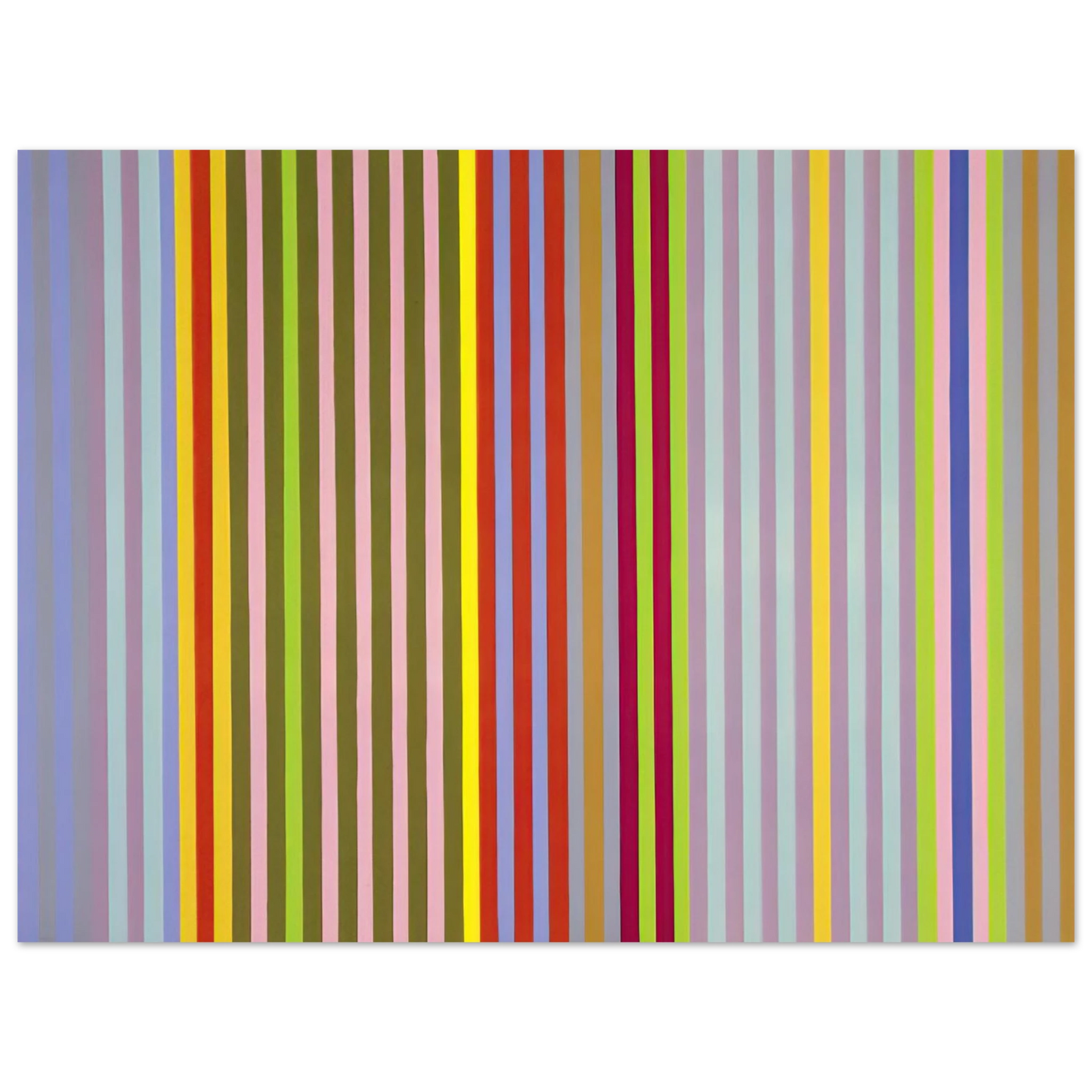
Gene Davis - Apricot Ripple - 1968 75x100 cm / 30x40inches Fine Art Poster
Gene Davis - Apricot Ripple - 1968 75x100 cm / 30x40inches Fine Art Poster
Couldn't load pickup availability
Gene Davis - Apricot Ripple (1968) - Museum-Quality Fine Art Print
Immerse yourself in the vibrant energy of the Color Field movement with this archival reproduction of Gene Davis's iconic Apricot Ripple (1968). Measuring 75x100 cm (30x40 inches), this fine art poster captures the rhythmic, vertical stripes of apricot and complementary hues that define Davis's signature style. Created during the height of the Washington Color School, this piece exemplifies the artist's exploration of pure color and optical vibration, transforming any space into a gallery of mid-century modern abstraction.
RedKalion presents this masterpiece on our exclusive Master's Edition archival paper, a museum-quality substrate chosen for its exceptional fidelity. The matte, uncoated finish and natural white (off-white) tone provide a luxurious texture that enhances the color saturation without glare. Crafted from acid-free (pH above 7), FSC-certified paper weighing 250 gsm (110 lb) with a thickness of 0.29 mm (11.4 mils), this print is designed to resist yellowing and endure for generations. Printed and shipped on demand with no minimum orders, it offers a sustainable, premium addition to your collection.
Elevate your home or office with an archival masterpiece that bridges art history and contemporary elegance. Gene Davis's Apricot Ripple is more than a decoration—it's a statement of refined taste and enduring beauty.
Discover Unlimited Art Possibilities
At RedKalion, you can find virtually any artwork from any artist, available in a wide range of sizes to perfectly match your space.
If you didn’t find what you’re looking for, contact us at support@redkalion.com . We will source any artwork and produce it in any size and format you need, including art prints, posters, canvas, framed pieces, framed canvas, and more.
For dedicated art enthusiasts, we also offer handcrafted replicas of any artwork, carefully painted by highly skilled artists using traditional techniques.
For custom requests, contact us at support@redkalion.com .
What are the dimensions of this Gene Davis Apricot Ripple fine art print?
This museum-quality reproduction measures 75x100 cm (30x40 inches), perfectly capturing the scale and impact of the original 1968 artwork for your space.
What type of paper is used for this archival print?
It's printed on Master's Edition archival paper, a museum-quality, acid-free (pH above 7), FSC-certified substrate with a matte, uncoated finish and natural white tone for superior color fidelity.
How durable is this fine art poster against fading or yellowing?
With acid-free paper (pH above 7) and archival-grade inks, this print resists yellowing and fading, ensuring long-lasting vibrancy for decades in proper display conditions.
What is the weight and thickness of the paper for this Gene Davis print?
The paper is 250 gsm (110 lb) with a thickness of 0.29 mm (11.4 mils), offering a premium, sturdy feel that enhances the luxurious texture of this fine art reproduction.
How does the on-demand printing and shipping process work?
We print and ship each order individually with no minimums, ensuring fresh, high-quality reproductions delivered directly to you in secure packaging.
What artistic movement is Gene Davis's Apricot Ripple associated with?
Apricot Ripple is part of the Color Field movement and the Washington Color School, emphasizing bold, vertical stripes and pure color to create optical effects.
Why did Gene Davis use vertical stripes in artworks like Apricot Ripple?
Davis used vertical stripes to explore rhythm, repetition, and color interaction, aiming to evoke emotional responses through simple, structured compositions without representational imagery.