
RedKalion
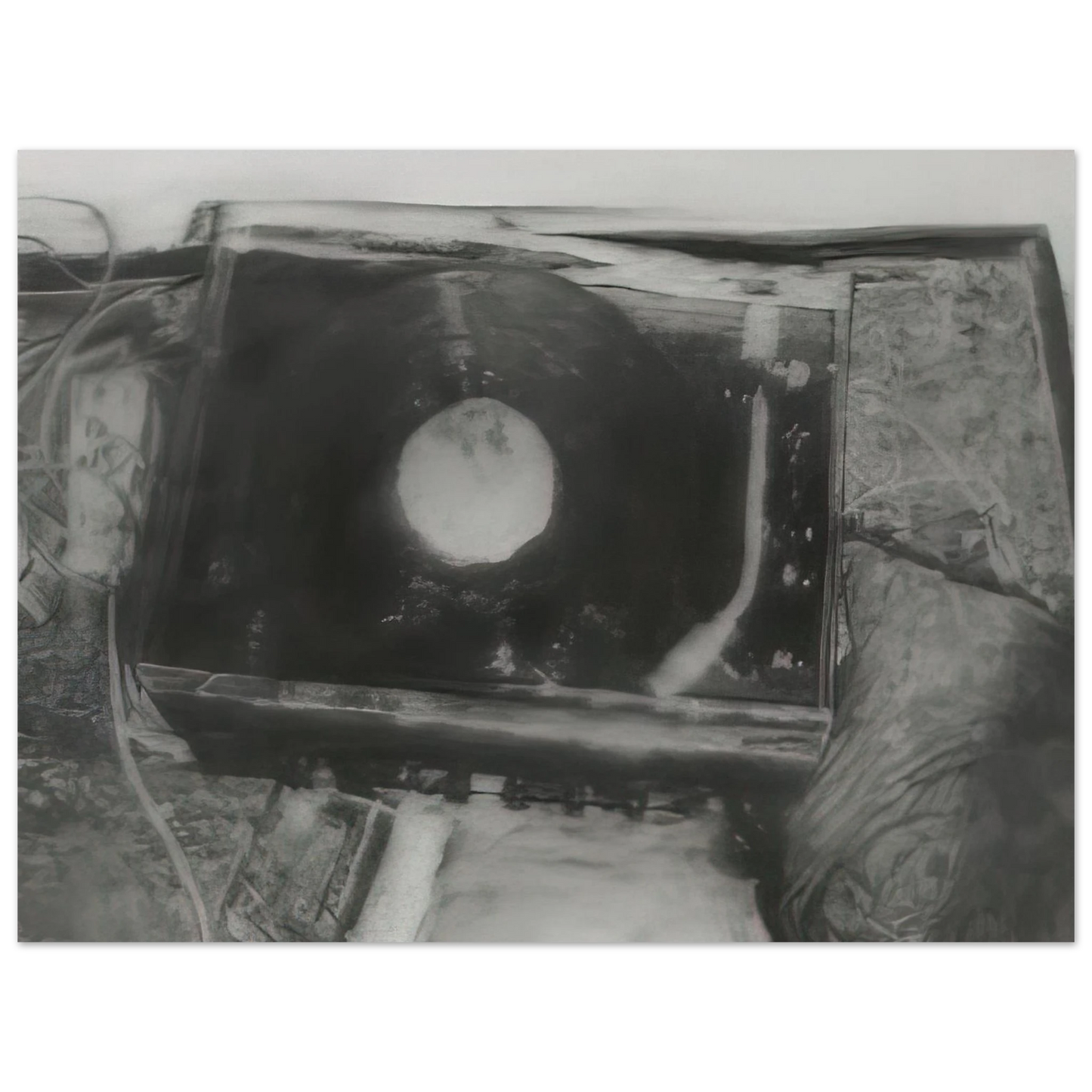
Gerhard Richter - RECORD PLAYER 1988 75x100 cm / 30x40inches Fine Art Poster
Gerhard Richter - RECORD PLAYER 1988 75x100 cm / 30x40inches Fine Art Poster
Couldn't load pickup availability
Gerhard Richter - RECORD PLAYER 1988: A Masterpiece of Photorealistic Abstraction
Immerse yourself in the enigmatic allure of Gerhard Richter's RECORD PLAYER 1988, now available as a museum-quality fine art print from RedKalion. This iconic work, measuring 75x100 cm (30x40 inches), captures Richter's masterful blend of photorealism and abstraction, where a mundane object transforms into a profound meditation on memory and perception. Created during a pivotal era in contemporary art, Richter employed his signature blur technique to dissolve the boundaries between painting and photography, inviting viewers to question the nature of representation itself.
At RedKalion, we honor Richter's vision with an archival reproduction that meets the highest standards of craftsmanship. Printed on our exclusive Master's Edition archival paper, this fine art poster features a matte, uncoated finish in a natural white hue, offering a luxurious texture that echoes the depth of the original. The acid-free composition (pH above 7) ensures longevity, preventing yellowing over time, while the substantial 250 gsm (110 lb) weight and 0.29 mm (11.4 mils) thickness provide a durable, gallery-worthy presence. Crafted from FSC-certified paper, this piece reflects our commitment to sustainability without compromising on quality.
Elevate your space with an archival masterpiece that endures, printed and shipped on demand with no minimum orders. Trust RedKalion as your curator of world-class reproductions, where expertise in art history meets precision in material science.
Discover Unlimited Art Possibilities
At RedKalion, you can find virtually any artwork from any artist, available in a wide range of sizes to perfectly match your space.
If you didn’t find what you’re looking for, contact us at support@redkalion.com . We will source any artwork and produce it in any size and format you need, including art prints, posters, canvas, framed pieces, framed canvas, and more.
For dedicated art enthusiasts, we also offer handcrafted replicas of any artwork, carefully painted by highly skilled artists using traditional techniques.
For custom requests, contact us at support@redkalion.com .
What are the dimensions of the Gerhard Richter RECORD PLAYER 1988 fine art print?
This museum-quality reproduction measures 75x100 cm, equivalent to 30x40 inches, making it an ideal size for prominent display in homes or offices.
What type of paper is used for this archival fine art poster?
It's printed on Master's Edition archival paper, featuring a matte, uncoated finish in natural white for a luxurious texture that enhances Richter's photorealistic details.
How does the acid-free paper ensure longevity for this Gerhard Richter print?
With a pH above 7, the acid-free composition prevents yellowing over time, ensuring your museum-quality reproduction remains vibrant for decades.
What is the weight and thickness of this fine art poster?
The paper has a substantial 250 gsm (110 lb) weight and 0.29 mm (11.4 mils) thickness, providing durability and a premium feel for gallery-worthy displays.
How is this Gerhard Richter RECORD PLAYER 1988 print shipped?
We print and ship on demand with no minimum orders, ensuring each archival reproduction is handled with care and delivered promptly to your location.
What artistic technique did Gerhard Richter use in RECORD PLAYER 1988?
Richter employed his signature blur technique, blending photorealism with abstraction to explore themes of memory and perception in contemporary art.
Why is RECORD PLAYER 1988 significant in Gerhard Richter's career?
Created in 1988, it reflects Richter's pivotal exploration of everyday objects as profound artistic subjects during a key era in his photorealistic series.