RedKalion
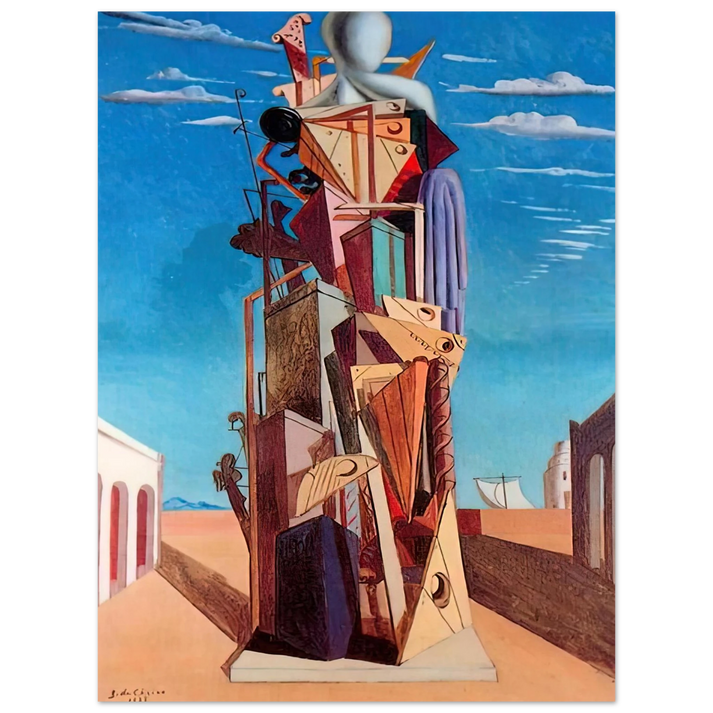
Giorgio de Chirico - THE GREAT MACHINE 1925 75x100 cm / 30x40inches Fine Art Poster
Giorgio de Chirico - THE GREAT MACHINE 1925 75x100 cm / 30x40inches Fine Art Poster
Couldn't load pickup availability
Giorgio de Chirico - THE GREAT MACHINE (1925) - Museum-Quality Fine Art Print
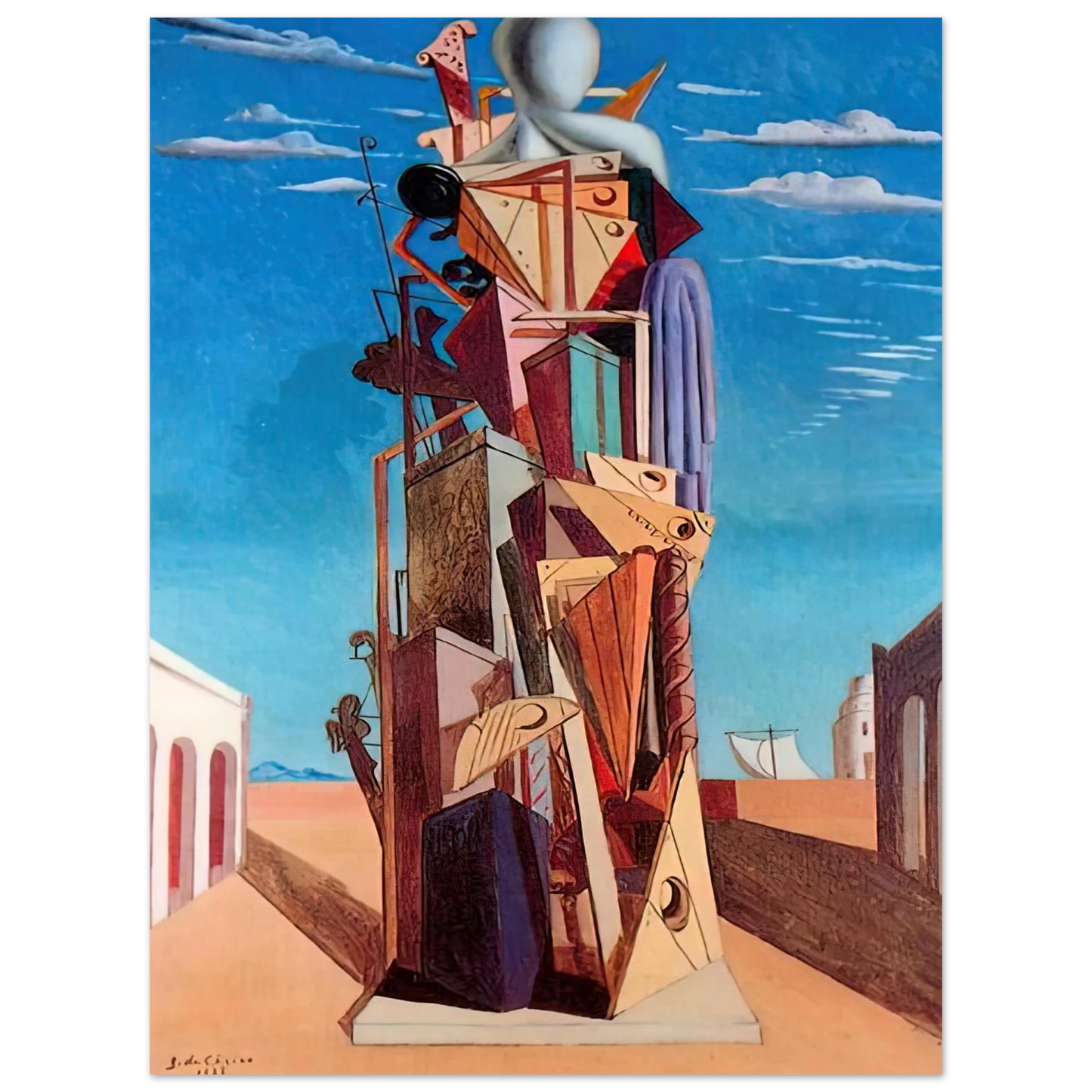
Immerse yourself in the enigmatic world of Giorgio de Chirico with this premium reproduction of THE GREAT MACHINE (1925), a quintessential work from the artist's Metaphysical period. This 75x100 cm (30x40 inches) fine art poster captures the haunting precision and dreamlike stillness that defines de Chirico's iconic style, where industrial forms and classical architecture converge in a surreal, timeless landscape. RedKalion presents this archival masterpiece on Master's Edition paper, ensuring every geometric shadow and subtle hue is rendered with museum-grade fidelity for your home or office.
Art Historical Insight: Created during de Chirico's return to Metaphysical themes in the 1920s, THE GREAT MACHINE exemplifies his fascination with mechanical objects as symbols of modernity and mystery. The painting's stark composition and elongated shadows evoke a sense of eerie solitude, influencing later Surrealists like Salvador Dalí. De Chirico's use of tempera and oil glazes creates a luminous, almost otherworldly surface, meticulously reproduced here to honor his technical mastery.
Premium Physical Specifications: This fine art print is crafted on acid-free, FSC-certified Master's Edition archival paper (250 gsm / 0.29 mm thick), featuring a matte, uncoated finish in a natural white tone that enhances texture and prevents glare. Its pH above 7 ensures resistance to yellowing, offering enduring vibrancy for generations. Printed and shipped on demand with no minimum orders, RedKalion delivers a curator-approved reproduction that bridges historical significance with contemporary elegance.
Elevate your space with an archival masterpiece that endures, blending art historical depth with uncompromising material quality. Trust RedKalion for authentic, museum-quality reproductions that transform any environment into a gallery of inspiration.
Discover Unlimited Art Possibilities
At RedKalion, you can find virtually any artwork from any artist, available in a wide range of sizes to perfectly match your space.
If you didn’t find what you’re looking for, contact us at support@redkalion.com . We will source any artwork and produce it in any size and format you need, including art prints, posters, canvas, framed pieces, framed canvas, and more.
For dedicated art enthusiasts, we also offer handcrafted replicas of any artwork, carefully painted by highly skilled artists using traditional techniques.
For custom requests, contact us at support@redkalion.com .
What are the dimensions and details of this Giorgio de Chirico fine art print?
This museum-quality reproduction measures 75x100 cm (30x40 inches), capturing de Chirico's 1925 painting THE GREAT MACHINE from his Metaphysical period with archival precision on acid-free paper.
What type of paper is used for this archival fine art poster?
It's printed on Master's Edition archival paper, a museum-quality, acid-free (pH above 7), FSC-certified sheet with a matte, uncoated finish in natural white for luxurious texture and longevity.
How durable and long-lasting is this fine art reproduction?
With acid-free properties (pH above 7) and 250 gsm weight, this print resists yellowing and damage, ensuring vibrant color preservation for decades as a premium archival artwork.
What is the shipping and fulfillment process for this on-demand print?
RedKalion prints and ships this fine art poster on demand with no minimum orders, offering efficient delivery for a personalized museum-quality reproduction.
Can you describe the finish and texture of this matte fine art print?
It features a matte, uncoated finish on natural white paper, providing a luxurious, glare-free texture that enhances the artwork's depth and suits various framing styles.
What is the historical significance of THE GREAT MACHINE in de Chirico's career?
Painted in 1925, it marks de Chirico's return to Metaphysical themes, using industrial forms to explore modernity and mystery, influencing Surrealism with its dreamlike composition.
How does de Chirico's technique in this artwork affect its reproduction quality?
De Chirico's use of tempera and oil glazes creates luminous surfaces, meticulously captured in this reproduction to maintain the original's eerie stillness and geometric precision.