RedKalion
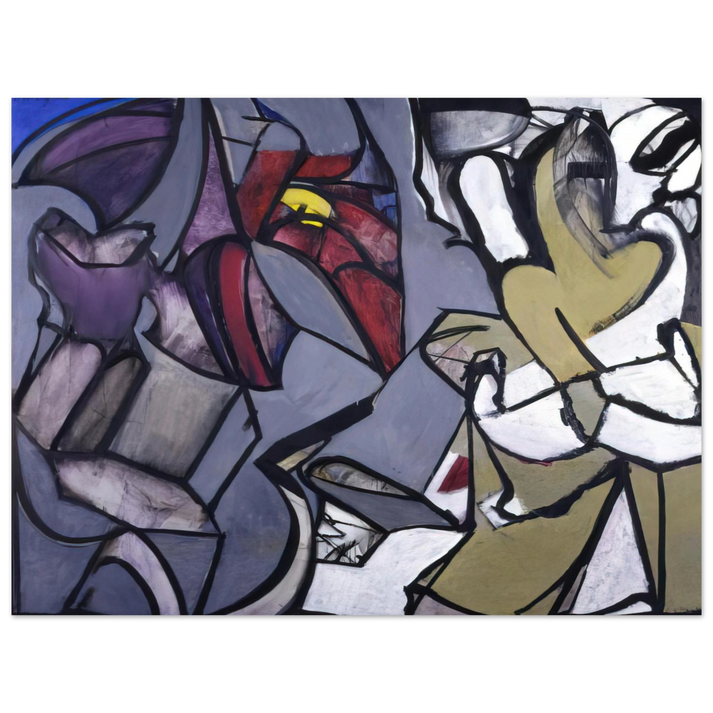
Grace Hartigan - FRANK OHARA 1926 1966 1964 75x100 cm / 30x40inches Fine Art Poster
Grace Hartigan - FRANK OHARA 1926 1966 1964 75x100 cm / 30x40inches Fine Art Poster
Couldn't load pickup availability
Grace Hartigan - FRANK O'HARA 1926 1966 1964 Fine Art Print
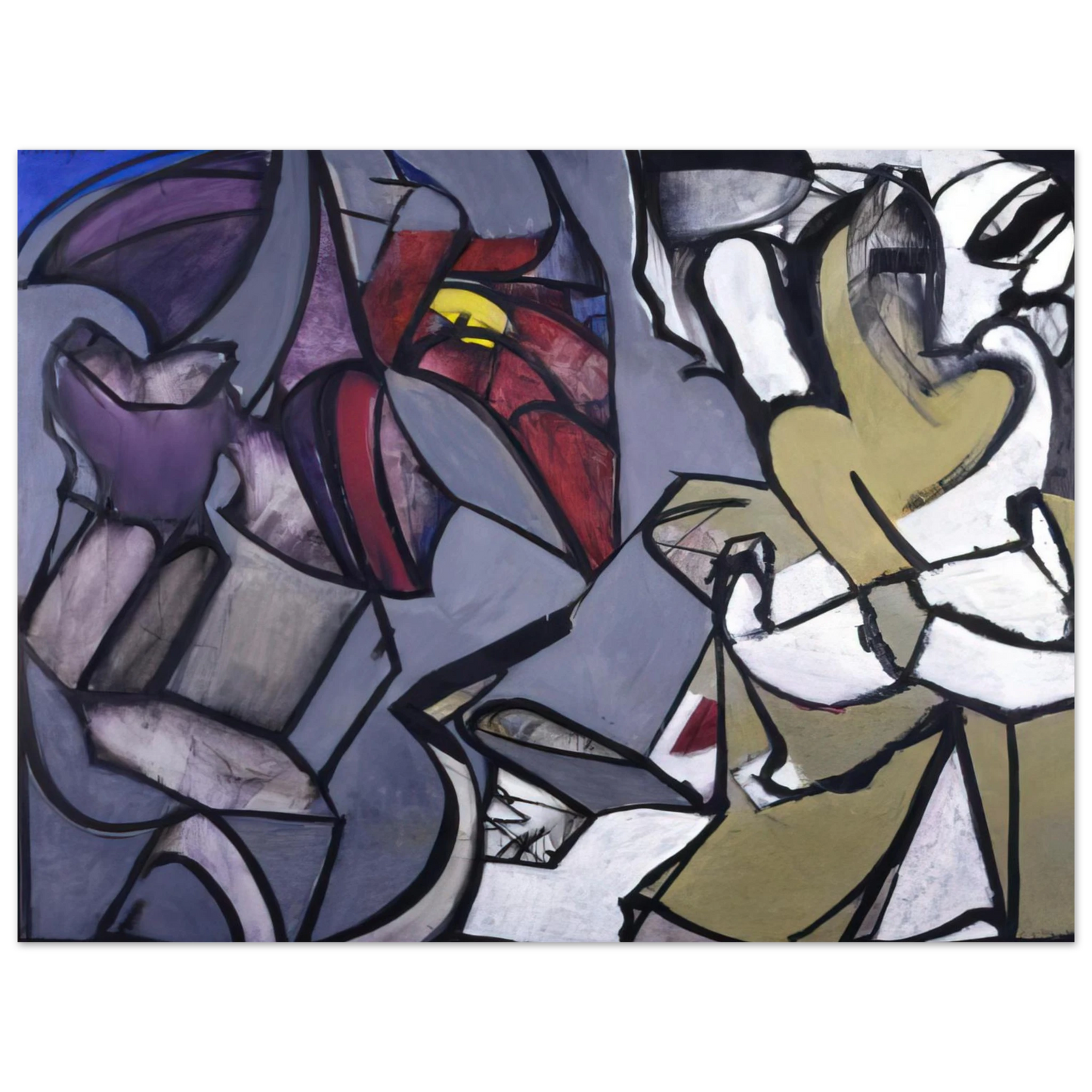
Immerse yourself in the vibrant energy of the New York School with this museum-quality reproduction of Grace Hartigan's iconic 1964 painting, FRANK O'HARA 1926 1966 1964. This fine art poster captures the bold, expressive brushwork and dynamic composition that defined Hartigan's Abstract Expressionist style, paying homage to her close friend and poet, Frank O'Hara. Measuring 75x100 cm (30x40 inches), this archival print is a statement piece that brings mid-century avant-garde spirit into any contemporary space.
Hartigan, a leading figure of the second-generation Abstract Expressionists, masterfully blended figuration and abstraction. In this work, she layers gestural marks, fragmented text, and vivid color fields to evoke O'Hara's literary presence and the pulsating rhythm of 1960s New York. The result is a visually arresting dialogue between painter and poet, offering endless intrigue for art enthusiasts and collectors.
RedKalion presents this masterpiece on our exclusive Master's Edition archival paper, ensuring a premium, gallery-worthy display. The matte, uncoated finish in a natural white hue enhances the artwork's texture and depth, while the heavyweight 250 gsm (110 lb) stock with a thickness of 0.29 mm (11.4 mils) provides a substantial, luxurious feel. Crafted from acid-free, FSC-certified materials, this print is designed to resist yellowing and endure for generations, reflecting our commitment to sustainability and archival excellence.
Elevate your home or office with a piece of art history that sparks conversation and inspires creativity. Printed and shipped on demand with no minimum orders, RedKalion makes it effortless to own a curated, high-fidelity reproduction that honors Hartigan's legacy and the enduring bond between visual and literary arts.
Discover Unlimited Art Possibilities
At RedKalion, you can find virtually any artwork from any artist, available in a wide range of sizes to perfectly match your space.
If you didn’t find what you’re looking for, contact us at support@redkalion.com . We will source any artwork and produce it in any size and format you need, including art prints, posters, canvas, framed pieces, framed canvas, and more.
For dedicated art enthusiasts, we also offer handcrafted replicas of any artwork, carefully painted by highly skilled artists using traditional techniques.
For custom requests, contact us at support@redkalion.com .
What are the dimensions and details of this Grace Hartigan fine art print?
This museum-quality reproduction measures 75x100 cm (30x40 inches) and faithfully captures Hartigan's 1964 painting FRANK O'HARA 1926 1966 1964, an Abstract Expressionist tribute to poet Frank O'Hara.
What type of paper is used for this archival art poster?
It's printed on Master's Edition archival paper, a matte, uncoated, natural white sheet that offers a luxurious texture and premium feel for display.
How durable and long-lasting is this fine art reproduction?
Made from acid-free (pH above 7) and FSC-certified materials, it resists yellowing and ensures archival longevity for generations of enjoyment.
What is the weight and thickness of the paper for this print?
The paper is heavyweight at 250 gsm (110 lb) with a thickness of 0.29 mm (11.4 mils), providing a substantial, high-quality finish.
How does shipping and fulfillment work for this on-demand print?
We print and ship on demand with no minimum orders, offering convenient and efficient delivery for your custom fine art poster.
What artistic movement does Grace Hartigan's FRANK O'HARA painting represent?
It embodies Abstract Expressionism, specifically from the New York School, blending gestural abstraction with fragmented text to honor poet Frank O'Hara.
Why did Grace Hartigan create this painting in 1964?
Hartigan painted it as a tribute to her friend Frank O'Hara, capturing their creative dialogue and the vibrant cultural scene of 1960s New York.