RedKalion
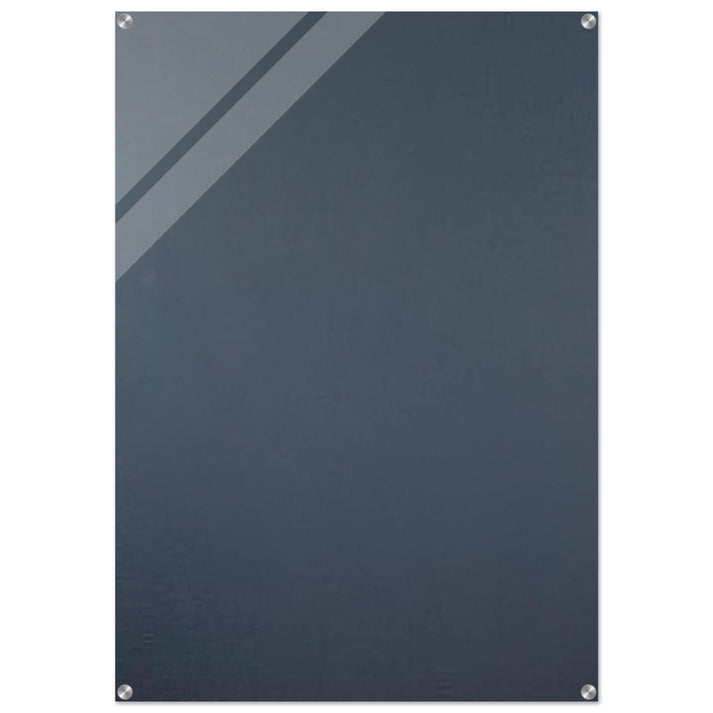
GREY - Gerhard Richter Acrylic Print - 70x100 cm / 28x40″ inches
GREY - Gerhard Richter Acrylic Print - 70x100 cm / 28x40″ inches
Couldn't load pickup availability
GREY by Gerhard Richter: A Masterpiece of Modern Abstraction
Experience the profound simplicity and intellectual depth of Gerhard Richter's GREY in this museum-quality acrylic print. This iconic work from one of the most influential contemporary artists captures the essence of color theory and abstraction, inviting endless interpretation. Richter's exploration of grey—a color he famously called "the epitome of non-statement"—challenges perception and evokes a meditative, serene mood perfect for modern interiors.
RedKalion presents this archival-grade reproduction on premium 4mm (0.15") acrylic, ensuring vibrant colors and exceptional durability. The sleek, straight-cut corners and white backing for transparent areas create a polished, gallery-ready display. Each print includes a complete hanging kit with hardware, screws, and pre-drilled holes (14mm from the edge, 8mm diameter) for effortless installation.
Art Historical Insight: Richter's grey paintings, developed in the 1970s, reflect his "photo-painting" technique, where he applied paint with squeegees to blur distinctions between abstraction and realism. This piece exemplifies his lifelong interrogation of art's ability to convey truth.
Elevate your space with a fine art print that combines Richter's visionary artistry with RedKalion's commitment to preservation and quality. This 70x100 cm (28x40") reproduction is a timeless addition for collectors and design enthusiasts alike.

Discover Unlimited Art Possibilities
At RedKalion, you can find virtually any artwork from any artist, available in a wide range of sizes to perfectly match your space.
If you didn’t find what you’re looking for, contact us at support@redkalion.com . We will source any artwork and produce it in any size and format you need, including art prints, posters, canvas, framed pieces, framed canvas, and more.
For dedicated art enthusiasts, we also offer handcrafted replicas of any artwork, carefully painted by highly skilled artists using traditional techniques.
For custom requests, contact us at support@redkalion.com .
What are the dimensions and material of this Gerhard Richter print?
This print measures 70x100 cm (28x40 inches) and is crafted on 4mm (0.15") premium acrylic for a vibrant, durable, and sleek museum-quality finish.
How is the print mounted and hung?
It features straight-cut corners with a white backing for transparent areas and includes a hanging kit with hardware, screws, and pre-drilled holes (14mm from edge, 8mm diameter) for easy installation.
What makes this a high-quality reproduction?
RedKalion uses archival-grade materials and precise color matching to ensure this acrylic print captures Richter's original grey tones with museum-quality accuracy and longevity.
How does shipping and packaging work?
We ship globally in protective packaging to prevent damage, with tracking provided. Delivery times vary by location, typically 5-10 business days.
Is this print fade-resistant and durable?
Yes, the acrylic material offers UV protection and scratch resistance, ensuring this fine art print maintains its vibrancy for decades in indoor settings.
What is the historical significance of Richter's GREY paintings?
Richter's grey works from the 1970s challenge artistic norms by using monochrome abstraction to explore perception, memory, and the limits of representation in contemporary art.
Why did Richter focus on the color grey in this series?
Richter described grey as "non-committal," allowing it to evoke neutrality and ambiguity, reflecting his philosophical inquiry into art's role in depicting reality and emotion.