RedKalion
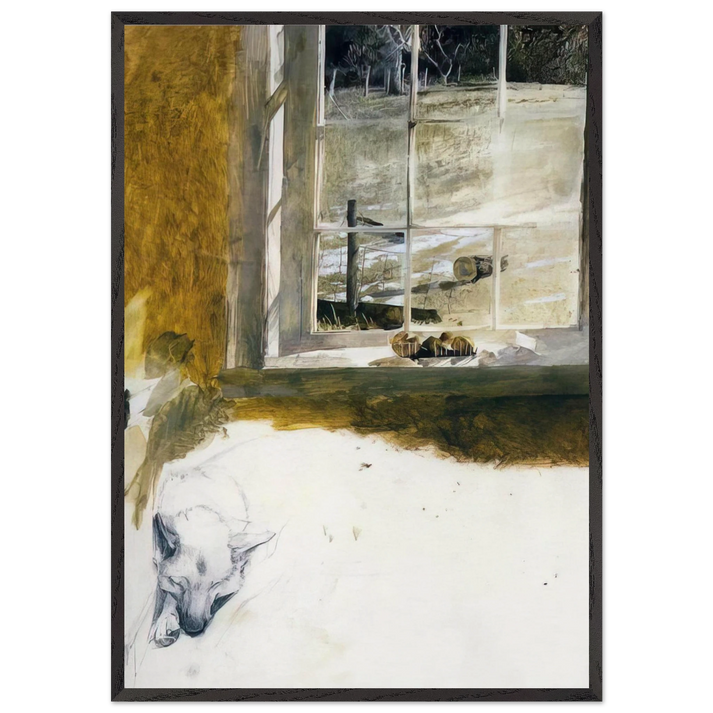
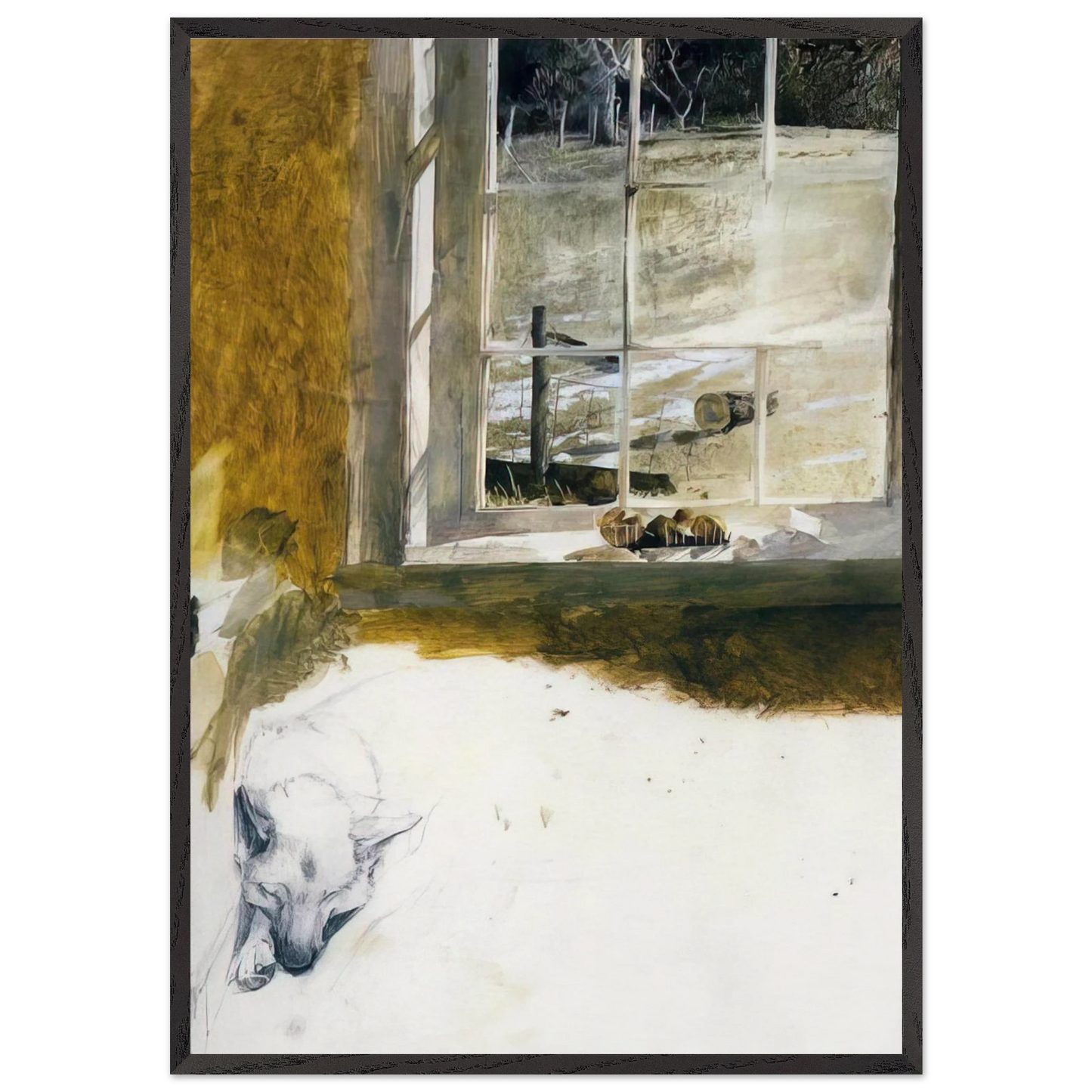
GROUNDHOG DAY 3 - Andrew Wyeth 70x100 cm / 28x40 inches Framed Art Print – Black Wooden Frame
GROUNDHOG DAY 3 - Andrew Wyeth 70x100 cm / 28x40 inches Framed Art Print – Black Wooden Frame
Couldn't load pickup availability
Groundhog Day 3 by Andrew Wyeth: A Masterpiece of American Realism
Experience the haunting beauty of Andrew Wyeth's Groundhog Day 3, now available as a museum-quality framed art print from RedKalion. This iconic work, created by one of America's most celebrated realist painters, captures the quiet, introspective mood of rural life with Wyeth's signature precision and emotional depth. The scene, rendered in his distinctive tempera technique, invites viewers into a world of subtle light and texture, evoking a sense of timeless solitude and natural wonder.
Our premium reproduction ensures every detail—from the delicate brushstrokes to the nuanced shadows—is faithfully preserved on 250 gsm (110 lb) archival museum-quality paper, offering a matte, uncoated finish that mimics the original's tactile feel. The print is elegantly framed in a 20mm (0.79") thick black wooden frame, crafted from responsibly sourced oak and ash wood, providing a sturdy and sophisticated presentation that enhances the artwork's classic appeal. Protected by shatterproof plexiglass, this piece is built to endure, making it a lasting addition to any collection.
At RedKalion, we specialize in curating archival-grade reproductions that honor the artist's vision. Elevate your space with this fine art print, ready to hang directly on your wall with the included hanging kit, and immerse yourself in the legacy of Andrew Wyeth's masterful storytelling.
Discover Unlimited Art Possibilities
At RedKalion, you can find virtually any artwork from any artist, available in a wide range of sizes to perfectly match your space.
If you didn’t find what you’re looking for, contact us at support@redkalion.com . We will source any artwork and produce it in any size and format you need, including art prints, posters, canvas, framed pieces, framed canvas, and more.
For dedicated art enthusiasts, we also offer handcrafted replicas of any artwork, carefully painted by highly skilled artists using traditional techniques.
For custom requests, contact us at support@redkalion.com .
What are the dimensions of this framed Andrew Wyeth print?
The framed print measures 70x100 cm (28x40 inches), with a 20mm (0.79") thick black wooden frame, offering a wider, more substantial profile than classic 14mm frames for enhanced presence.
What type of paper is used for this fine art reproduction?
We use 250 gsm (110 lb) archival museum-quality paper with a matte, uncoated finish and natural white color, ensuring longevity and authentic texture for this Andrew Wyeth print.
Is the frame sustainable and ready to hang?
Yes, the frame is made from responsibly sourced oak and ash wood and includes a hanging kit, so it's ready to hang directly on your wall upon arrival.
How is the print protected in the frame?
The print is safeguarded by shatterproof plexiglass, providing durable protection against damage while maintaining clarity for viewing this museum-quality reproduction.
What makes this a museum-quality reproduction of Groundhog Day 3?
It features FSC-certified sustainable paper, archival-grade materials, and precise color matching to honor Andrew Wyeth's original tempera technique and artistic intent.
What is the historical significance of Andrew Wyeth's Groundhog Day series?
Wyeth's Groundhog Day series, including this piece, reflects his deep connection to rural Pennsylvania, using tempera to explore themes of isolation and the passage of time in American realism.
How does Wyeth's technique influence the mood of this artwork?
Wyeth's meticulous tempera technique creates subtle textures and muted tones, evoking a quiet, contemplative mood that captures the essence of winter solitude in Groundhog Day 3.