RedKalion
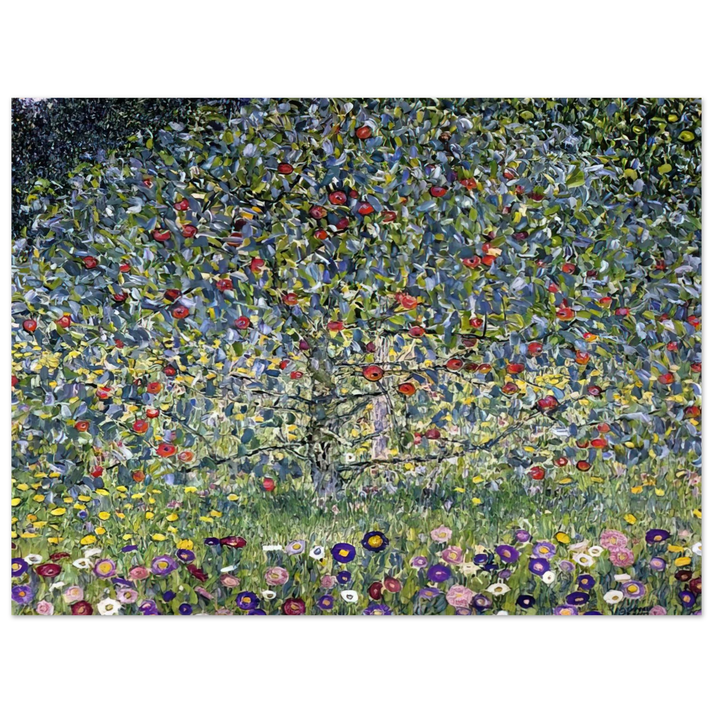
Gustav Klimt - APPLE TREE I 75x100 cm / 30x40inches Fine Art Poster
Gustav Klimt - APPLE TREE I 75x100 cm / 30x40inches Fine Art Poster
Couldn't load pickup availability
Gustav Klimt - Apple Tree I: A Golden Era Masterpiece
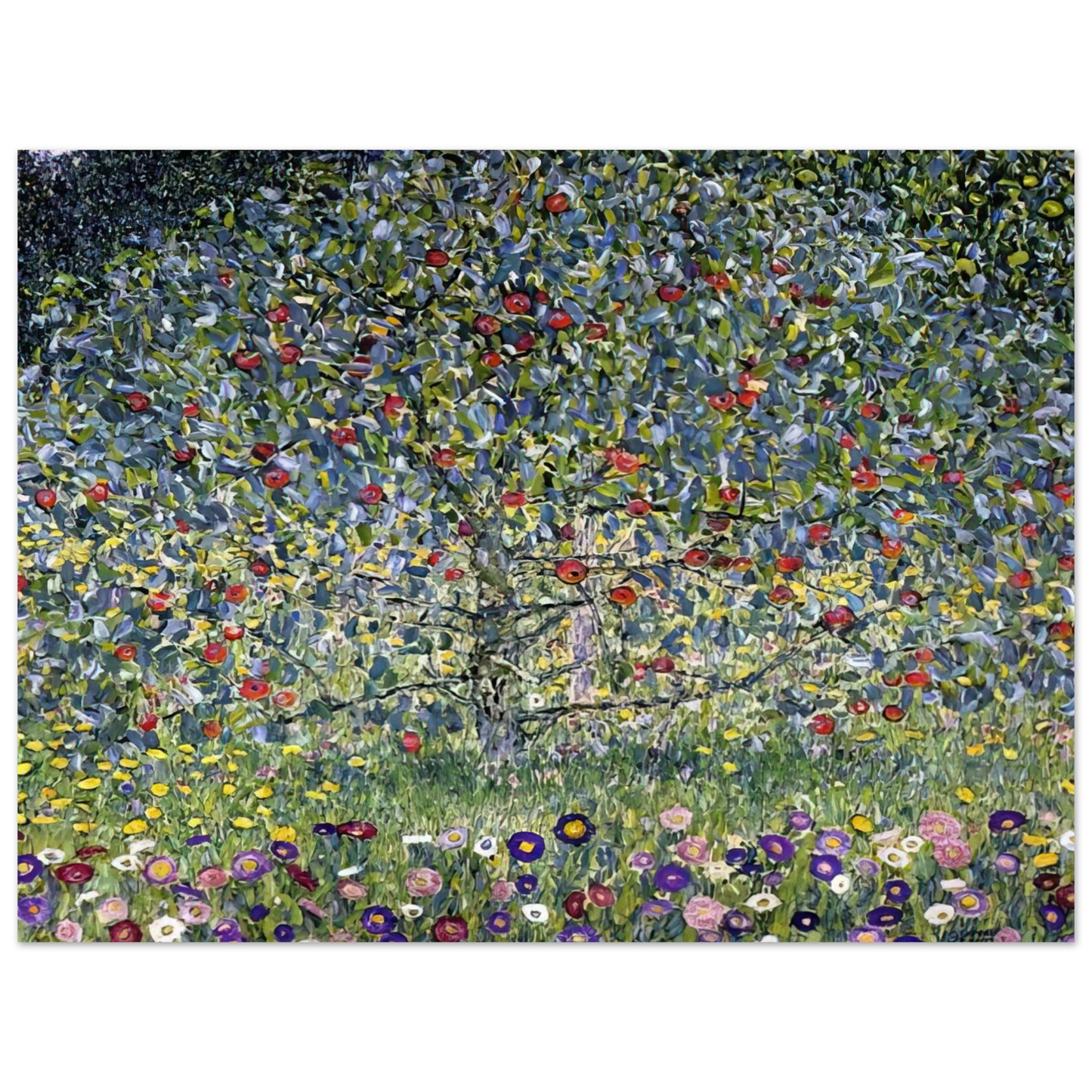
Immerse yourself in the shimmering beauty of Gustav Klimt's Apple Tree I, a quintessential example of his late Symbolist and Art Nouveau style. This fine art print captures the artist's fascination with nature's organic forms, rendered in a mosaic of gold leaf and vibrant color that dances across the canvas. Created around 1912, this work reflects Klimt's departure from portraiture to explore landscapes, where he infused trees with a mystical, almost sacred presence. The apple tree, a symbol of knowledge and temptation, is transformed into a radiant, decorative pattern that blurs the line between reality and fantasy.
At RedKalion, we honor Klimt's visionary artistry with a museum-quality reproduction that meets the highest archival standards. Printed on our exclusive Master's Edition archival paper, this piece features a matte, uncoated finish in a natural white hue, enhancing the luxurious texture and subtle details of the original. The acid-free (pH above 7) composition ensures it resists yellowing, while the 250 gsm (110 lb) weight and 0.29 mm (11.4 mils) thickness provide a substantial, gallery-worthy feel. Crafted from FSC-certified paper, this sustainable choice supports environmental stewardship without compromising on quality.
Elevate your space with an archival masterpiece that endures, printed and shipped on demand with no minimum orders. This 75x100 cm / 30x40 inches fine art poster invites you to experience Klimt's golden touch in a format designed for lasting impact.
Discover Unlimited Art Possibilities
At RedKalion, you can find virtually any artwork from any artist, available in a wide range of sizes to perfectly match your space.
If you didn’t find what you’re looking for, contact us at support@redkalion.com . We will source any artwork and produce it in any size and format you need, including art prints, posters, canvas, framed pieces, framed canvas, and more.
For dedicated art enthusiasts, we also offer handcrafted replicas of any artwork, carefully painted by highly skilled artists using traditional techniques.
For custom requests, contact us at support@redkalion.com .
What are the dimensions of this Gustav Klimt Apple Tree I print?
This fine art print measures 75x100 cm, equivalent to 30x40 inches, making it an ideal size for prominent wall display in homes or offices.
What type of paper is used for this museum-quality reproduction?
It's printed on Master's Edition archival paper, featuring a matte, uncoated finish in natural white for a luxurious texture that enhances Gustav Klimt's artwork details.
How does the archival quality ensure longevity for this fine art poster?
The acid-free paper (pH above 7) prevents yellowing over time, while the 250 gsm weight and 0.29 mm thickness provide durability for a lasting museum-quality reproduction.
What is the shipping and fulfillment process for this on-demand print?
We print and ship on demand with no minimum orders, ensuring efficient delivery of your Gustav Klimt Apple Tree I fine art poster directly to your door.
Is the paper sustainable for this Gustav Klimt artwork reproduction?
Yes, it uses FSC-certified paper, supporting sustainable forestry practices while maintaining high-quality standards for this archival print.
What artistic style does Gustav Klimt's Apple Tree I represent?
Apple Tree I showcases Klimt's late Symbolist and Art Nouveau style, characterized by decorative patterns, gold leaf accents, and a mystical approach to nature.
When was Gustav Klimt's Apple Tree I created, and what does it symbolize?
Painted around 1912, it symbolizes knowledge and temptation, reflecting Klimt's shift to landscape art with a radiant, tree-focused composition.