
RedKalion
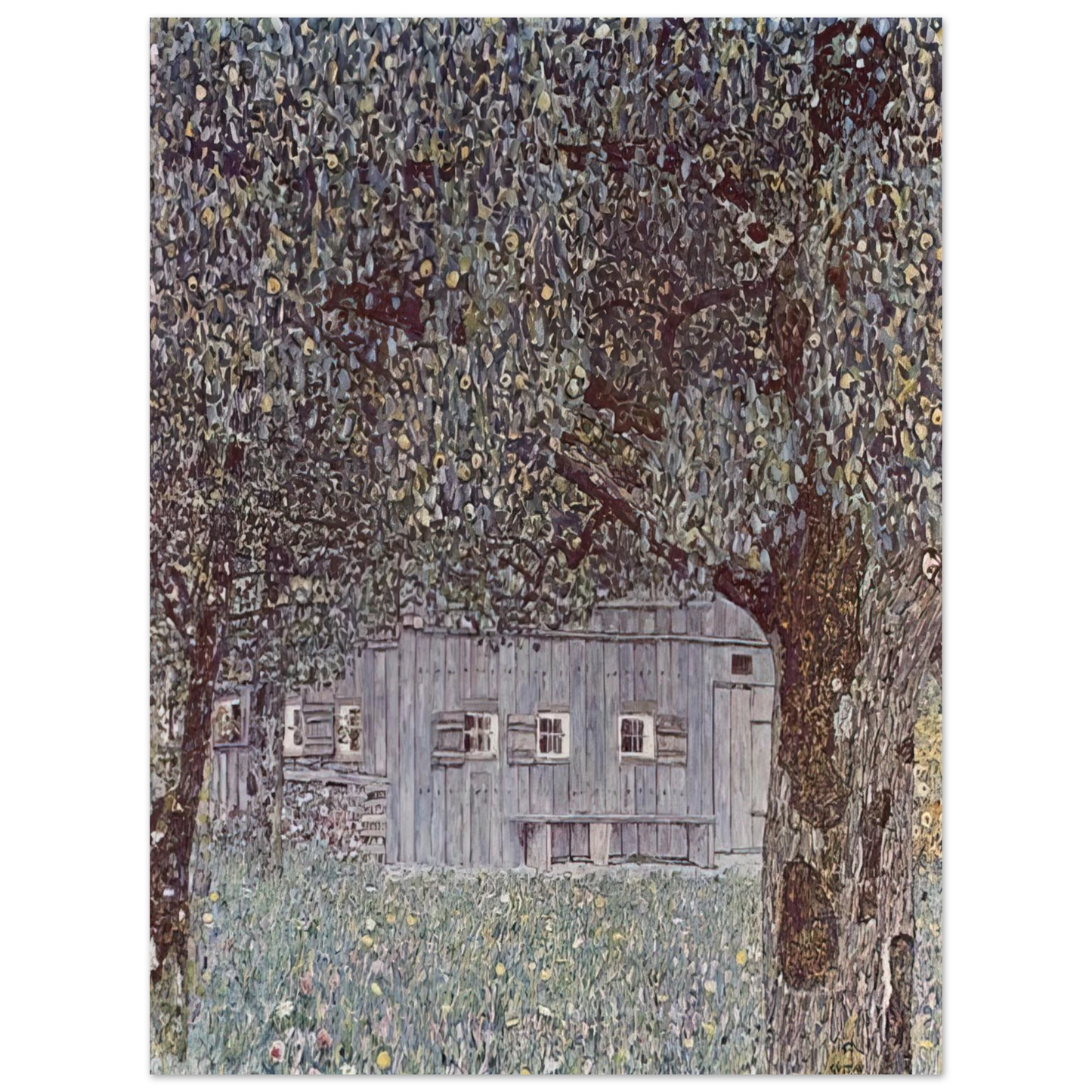
Gustav Klimt - FARMHOUSE IN UPPER AUSTRIA 1912 75x100 cm / 30x40inches Fine Art Poster
Gustav Klimt - FARMHOUSE IN UPPER AUSTRIA 1912 75x100 cm / 30x40inches Fine Art Poster
Couldn't load pickup availability
Gustav Klimt's 'Farmhouse in Upper Austria' (1912) - Museum-Quality Fine Art Print
Immerse yourself in the serene Austrian countryside with Gustav Klimt's 'Farmhouse in Upper Austria' (1912), a captivating landscape that showcases the artist's lesser-known but masterful approach to naturalism. This fine art print captures the essence of Klimt's late period, where he moved beyond his iconic golden style to explore rustic themes with meticulous detail and atmospheric depth. The composition, featuring a traditional farmhouse nestled amidst rolling hills and lush greenery, evokes a sense of tranquility and timeless beauty, making it an ideal centerpiece for any space seeking sophistication and historical resonance.
RedKalion presents this museum-quality reproduction on our exclusive Master's Edition archival paper, ensuring every brushstroke and subtle hue is preserved with unparalleled fidelity. The matte, uncoated finish in a natural white (off-white) shade provides a luxurious texture that mimics the feel of original art, while the acid-free (pH above 7) composition guarantees it remains vibrant and resistant to yellowing for generations. Crafted from FSC-certified paper with a weight of 250 gsm (110 lb) and thickness of 0.29 mm (11.4 mils), this print offers durability and an eco-conscious choice. Elevate your home or office with an archival masterpiece that endures, printed and shipped on demand with no minimum orders required.
Art Historical Insight: While Klimt is renowned for his opulent Symbolist works like 'The Kiss,' 'Farmhouse in Upper Austria' reveals his deep connection to the Austrian landscape during his summer retreats. Created in 1912, this piece demonstrates his adept use of color and light to convey rural simplicity, prefiguring the expressive landscapes of later modernists. It's a testament to his versatility and enduring influence in art history.
Discover Unlimited Art Possibilities
At RedKalion, you can find virtually any artwork from any artist, available in a wide range of sizes to perfectly match your space.
If you didn’t find what you’re looking for, contact us at support@redkalion.com . We will source any artwork and produce it in any size and format you need, including art prints, posters, canvas, framed pieces, framed canvas, and more.
For dedicated art enthusiasts, we also offer handcrafted replicas of any artwork, carefully painted by highly skilled artists using traditional techniques.
For custom requests, contact us at support@redkalion.com .
What are the dimensions of this Gustav Klimt 'Farmhouse in Upper Austria' fine art print?
This museum-quality reproduction measures 75x100 cm (30x40 inches), perfectly capturing the original artwork's scale for an authentic display.
What type of paper is used for this archival print?
It's printed on Master's Edition archival paper, a museum-quality, acid-free material with a matte, uncoated finish in natural white for a luxurious texture.
How does the acid-free paper ensure longevity for this fine art poster?
The acid-free composition (pH above 7) prevents yellowing and degradation over time, preserving the vibrant colors and details for generations.
What is the weight and thickness of this FSC-certified paper?
The paper weighs 250 gsm (110 lb) with a thickness of 0.29 mm (11.4 mils), offering durability and a premium feel for your Gustav Klimt reproduction.
How is this print shipped and are there minimum orders?
It's printed and shipped on demand with no minimum orders, ensuring a personalized and efficient fulfillment process for your fine art purchase.
Why did Gustav Klimt paint 'Farmhouse in Upper Austria' in 1912?
Klimt created this piece during his summer retreats, reflecting his appreciation for Austrian rural life and showcasing his naturalistic style beyond his famous golden works.
What makes this landscape significant in Klimt's artistic career?
It highlights his versatility in landscape painting, using color and light to evoke tranquility, and influenced later modernist approaches to nature.