RedKalion
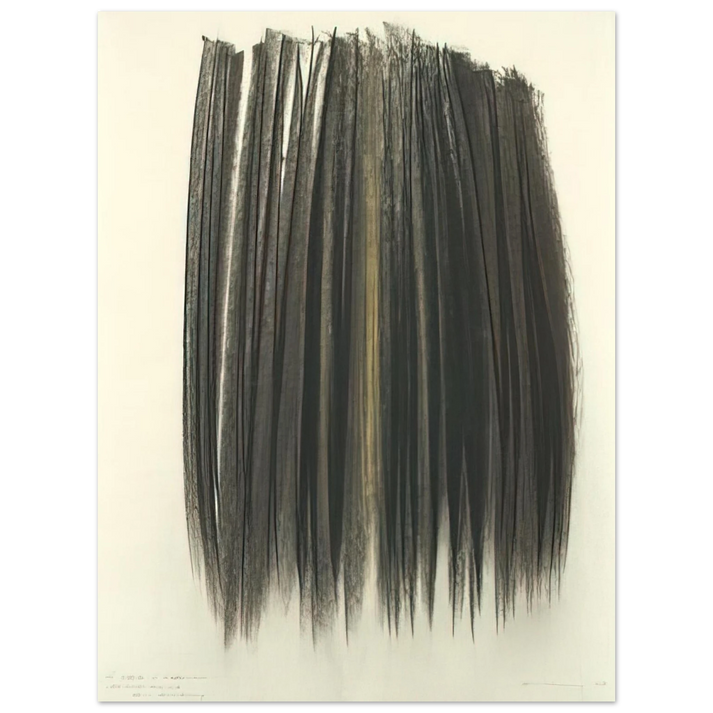
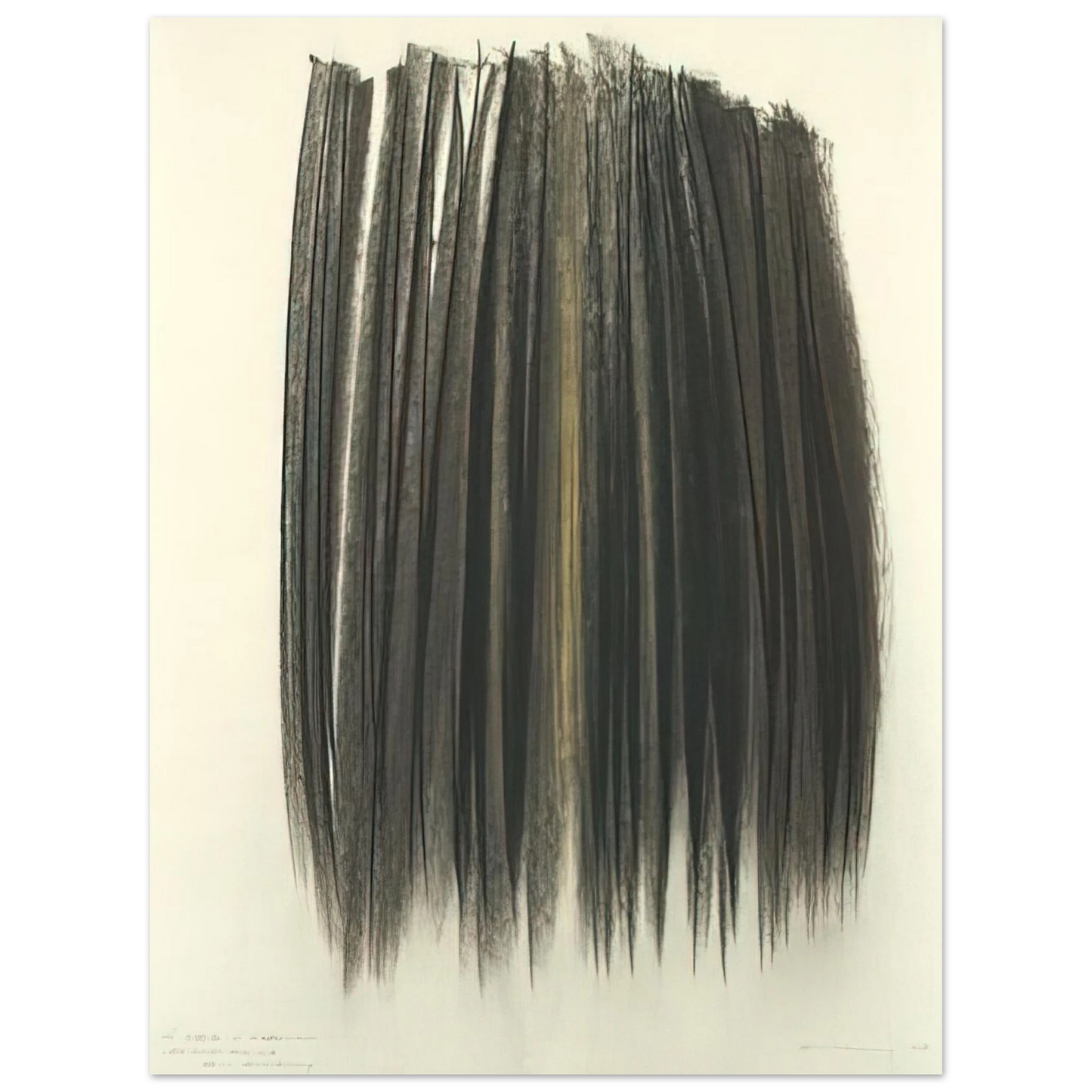
Hans Hartung - Untitled - 1960 75x100 cm / 30x40inches Fine Art Poster
Hans Hartung - Untitled - 1960 75x100 cm / 30x40inches Fine Art Poster
Couldn't load pickup availability
Hans Hartung - Untitled (1960) - Museum-Quality Fine Art Print
Immerse yourself in the dynamic energy of post-war abstraction with this archival reproduction of Hans Hartung's Untitled (1960). This iconic work, measuring 75x100 cm (30x40 inches), captures Hartung's revolutionary approach to gestural painting, where spontaneous brushstrokes and rhythmic lines converge to create a visual symphony of motion and emotion. As a leading figure of Art Informel and Lyrical Abstraction, Hartung pioneered techniques that emphasized the physical act of painting, using tools like squeegees and rakes to achieve his signature textured surfaces—a fascinating insight into his process that redefined modern art in the mid-20th century.
RedKalion presents this masterpiece as a fine art poster crafted to museum standards. Printed on our exclusive Master's Edition archival paper, it features a matte, uncoated finish in a natural white hue that enhances the artwork's depth without glare. The paper is acid-free (pH above 7) to ensure longevity, with a substantial weight of 250 gsm (110 lb) and thickness of 0.29 mm (11.4 mils) for a luxurious, durable feel. Sustainably sourced as FSC-certified, this print is produced on-demand, allowing you to elevate your space with a piece that combines historical significance with contemporary quality.
Ideal for collectors and design enthusiasts, this reproduction brings Hartung's abstract expressionism into your home or office, offering a timeless focal point that sparks conversation and inspiration. Trust RedKalion for museum-quality reproductions that honor artistic legacy through precision and care.
Discover Unlimited Art Possibilities
At RedKalion, you can find virtually any artwork from any artist, available in a wide range of sizes to perfectly match your space.
If you didn’t find what you’re looking for, contact us at support@redkalion.com . We will source any artwork and produce it in any size and format you need, including art prints, posters, canvas, framed pieces, framed canvas, and more.
For dedicated art enthusiasts, we also offer handcrafted replicas of any artwork, carefully painted by highly skilled artists using traditional techniques.
For custom requests, contact us at support@redkalion.com .
What are the dimensions of this Hans Hartung fine art print?
This museum-quality reproduction measures 75x100 cm (30x40 inches), perfectly capturing the scale and impact of Hartung's original 1960 abstract painting for your space.
What type of paper is used for this archival print?
It's printed on Master's Edition archival paper, featuring a matte, uncoated finish in natural white for a luxurious texture that enhances Hartung's gestural lines.
How durable and long-lasting is this fine art poster?
With acid-free paper (pH above 7) and 250 gsm weight, this FSC-certified print resists yellowing, ensuring your abstract art reproduction endures for generations.
What is the shipping and fulfillment process for this on-demand print?
We print and ship on demand with no minimum orders, delivering your Hans Hartung Untitled 1960 poster promptly and sustainably to your doorstep.
Can I customize the framing or finish for this artwork?
This print comes as-is with a matte finish; for framing options, contact our team to discuss premium archival solutions for your abstract art collection.
What artistic movement is Hans Hartung associated with?
Hans Hartung was a key figure in Art Informel and Lyrical Abstraction, known for his spontaneous, gestural techniques that defined post-war European abstract painting.
What makes Hartung's 1960 Untitled piece significant in art history?
This work exemplifies Hartung's innovative use of tools like squeegees to create textured, dynamic compositions, marking a pivotal moment in mid-20th century abstract expressionism.