RedKalion
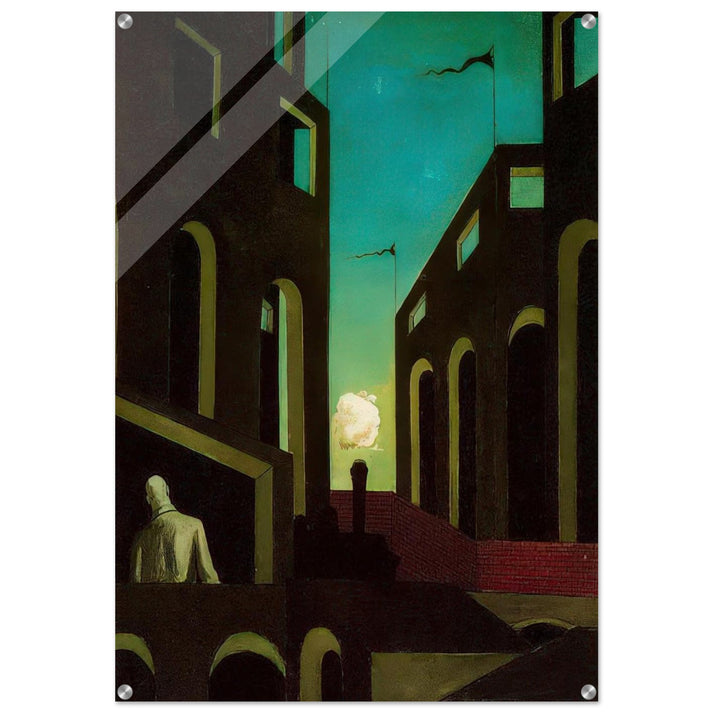
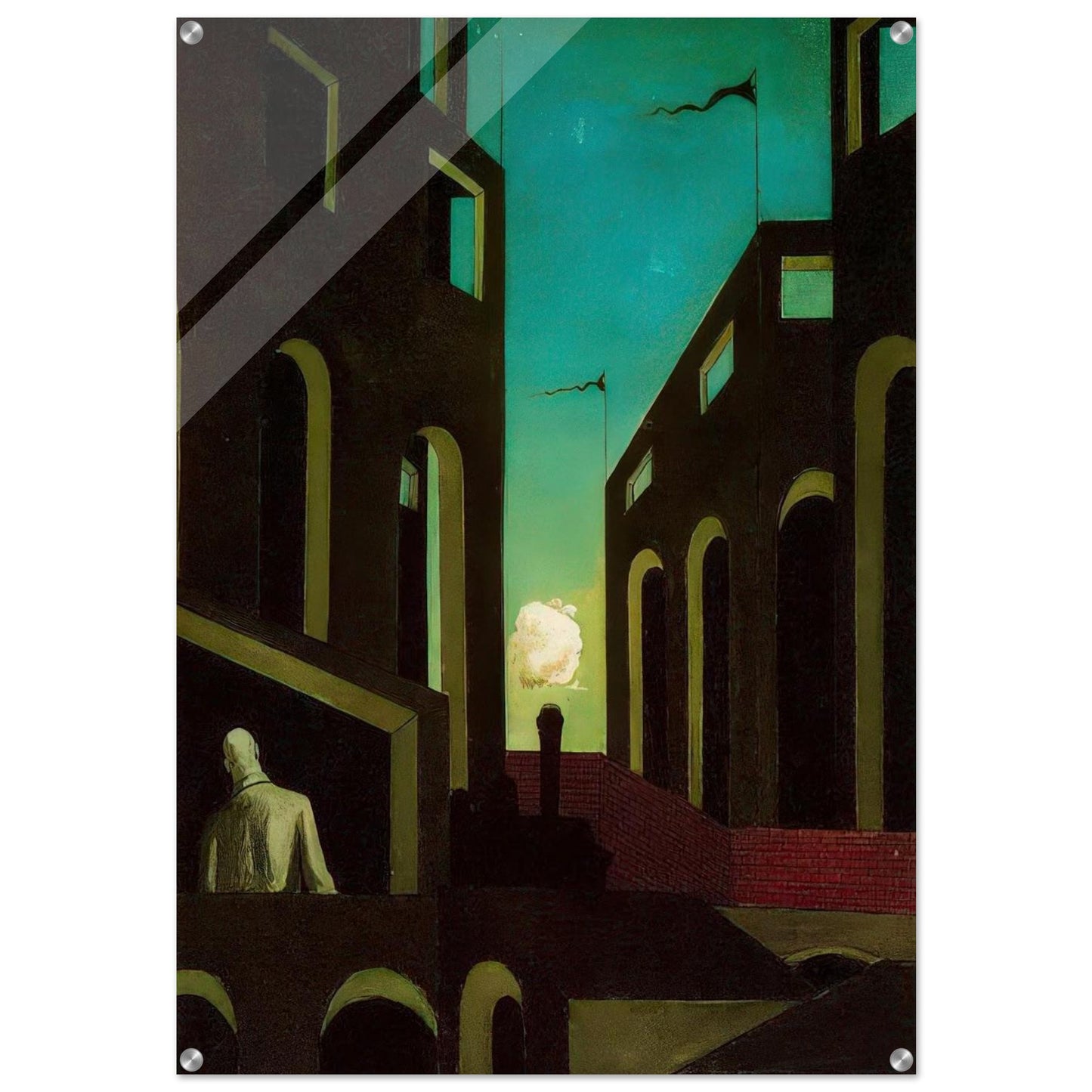
HAPPINESS OF RETURNING 1915 - Giorgio de Chirico Acrylic Print - 70x100 cm / 28x40″ inches | Giorgio de Chirico Wall Art | Giorgio de Chirico Prints
HAPPINESS OF RETURNING 1915 - Giorgio de Chirico Acrylic Print - 70x100 cm / 28x40″ inches | Giorgio de Chirico Wall Art | Giorgio de Chirico Prints
Couldn't load pickup availability
Happiness of Returning (1915) - Giorgio de Chirico Acrylic Print
Immerse yourself in the enigmatic world of Giorgio de Chirico with this museum-quality reproduction of "Happiness of Returning" (1915). This iconic metaphysical painting captures de Chirico's signature style—dreamlike architecture, elongated shadows, and haunting stillness that evoke a profound sense of nostalgia and mystery. As a pioneer of the Metaphysical Art movement, de Chirico masterfully blends classical elements with surreal ambiguity, inviting viewers into a timeless, contemplative space.
This premium acrylic print transforms the original artwork into a vibrant, gallery-ready piece. Printed on 4mm (0.15") acrylic, it offers exceptional color depth and clarity, with a sleek, durable finish that resists fading and scratches. The straight-cut corners provide a modern aesthetic, while transparent backgrounds are optimized with a white base for striking presentation. Measuring 70x100 cm (28x40 inches), it commands attention in any setting.
Each print includes a complete hanging kit with hardware, screws, and pre-drilled screw holes at each corner (positioned 14mm/0.55" from the edge, with an 8mm/0.31" diameter hole and 15mm/0.6" screw head) for effortless installation. Elevate your home or office with an archival masterpiece that endures, curated by RedKalion for discerning art enthusiasts.
- Artwork: "Happiness of Returning" (1915) by Giorgio de Chirico
- Dimensions: 70x100 cm / 28x40 inches
- Material: 4mm (0.15") acrylic with vibrant, fade-resistant print
- Design: Straight-cut corners; transparent backgrounds set to white
- Included: Hanging kit with hardware and pre-drilled holes
Discover Unlimited Art Possibilities
At RedKalion, you can find virtually any artwork from any artist, available in a wide range of sizes to perfectly match your space.
If you didn’t find what you’re looking for, contact us at support@redkalion.com . We will source any artwork and produce it in any size and format you need, including art prints, posters, canvas, framed pieces, framed canvas, and more.
For dedicated art enthusiasts, we also offer handcrafted replicas of any artwork, carefully painted by highly skilled artists using traditional techniques.
For custom requests, contact us at support@redkalion.com .
What is the historical significance of "Happiness of Returning" by Giorgio de Chirico?
Created in 1915, this painting is a key example of de Chirico's Metaphysical Art, blending classical architecture with surreal, dreamlike elements to explore themes of memory and existential mystery.
How does the acrylic material enhance this fine art print?
The 4mm (0.15") acrylic provides a sleek, vibrant finish with superior color depth and durability, ensuring a museum-quality reproduction that resists fading and scratches for long-lasting display.
What are the dimensions and hanging details for this Giorgio de Chirico wall art?
It measures 70x100 cm (28x40 inches) and includes a hanging kit with pre-drilled holes (14mm from edges, 8mm diameter) for easy installation, making it ideal for home or office decor.
How is the print designed for optimal presentation?
Featuring straight-cut corners and transparent backgrounds set to white, this acrylic print offers a modern look that highlights de Chirico's intricate details and vibrant colors.
What makes RedKalion's reproductions archival-grade?
We use high-quality materials and precise printing techniques to create durable, fade-resistant prints that preserve the artwork's integrity, ensuring a premium Giorgio de Chirico print for years.
What inspired the dreamlike atmosphere in de Chirico's "Happiness of Returning"?
De Chirico drew from his childhood memories of Italian piazzas and classical ruins, infusing the scene with elongated shadows and empty spaces to evoke a sense of timeless, haunting nostalgia.
How does this artwork fit into the Metaphysical Art movement?
As a founder of Metaphysical Art, de Chirico used juxtaposed objects and distorted perspectives in this piece to challenge reality, influencing later surrealists with its enigmatic and contemplative style.