
RedKalion
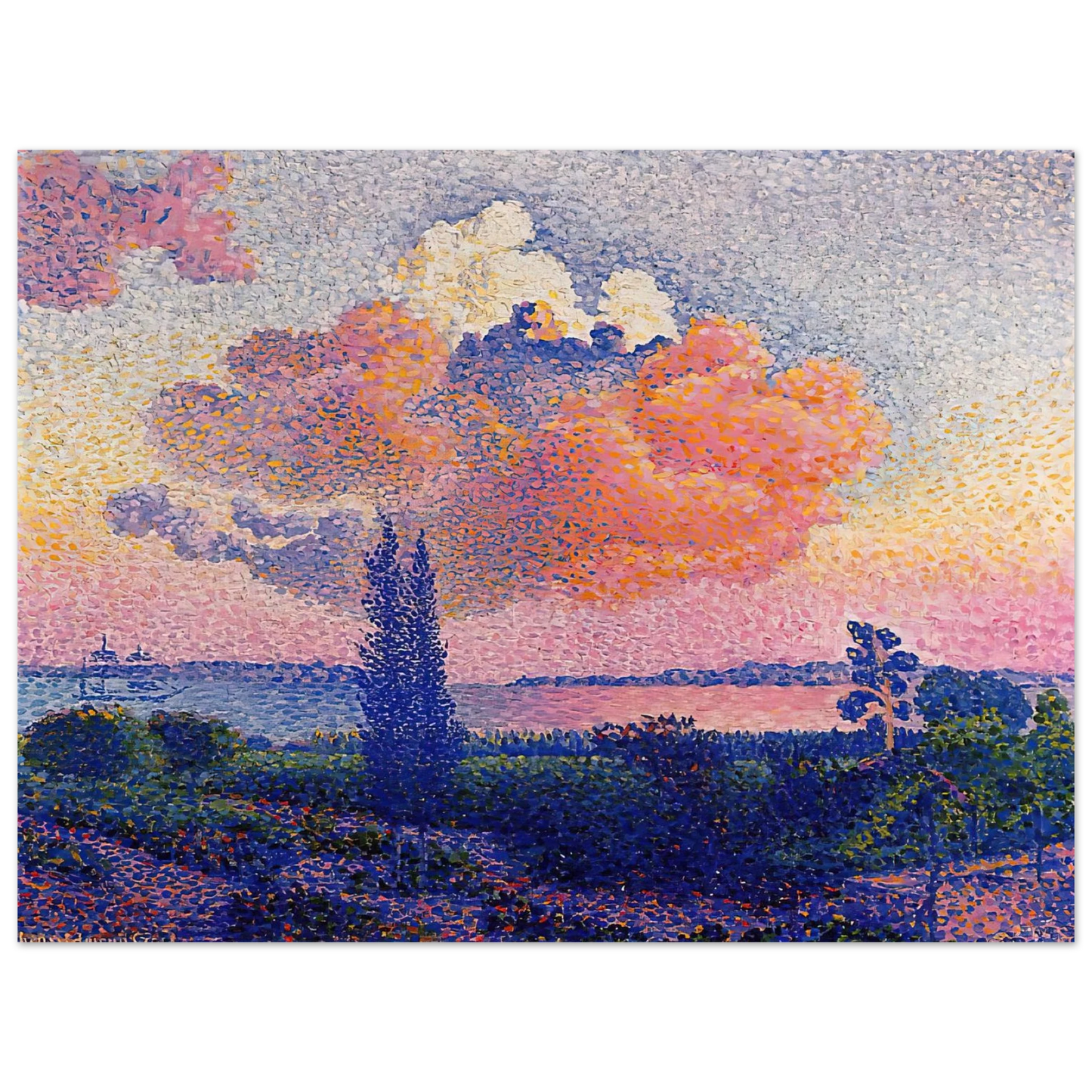
Henri-Edmond Cross - The Pink Cloud 75x100 cm / 30x40inches Fine Art Poster
Henri-Edmond Cross - The Pink Cloud 75x100 cm / 30x40inches Fine Art Poster
Couldn't load pickup availability
Henri-Edmond Cross - The Pink Cloud: A Neo-Impressionist Masterpiece
Immerse yourself in the luminous beauty of Henri-Edmond Cross's "The Pink Cloud," a quintessential example of Neo-Impressionism from the late 19th century. This fine art print captures the artist's pioneering use of pointillism, where tiny, precise dots of pure color blend optically to create a vibrant, shimmering landscape. The scene evokes a serene, dreamlike mood, with soft pink hues dancing across the sky, inviting contemplation and tranquility. Cross, a key figure in the Post-Impressionist movement, masterfully balances light and color to transport viewers to a Mediterranean idyll, making this piece a timeless addition to any art collection.
At RedKalion, we honor this artistic legacy with our museum-quality reproduction. Printed on Master's Edition archival paper, this fine art poster features a matte, uncoated finish in a natural white (off-white) shade, offering a luxurious texture that mimics the feel of original artworks. The paper is acid-free (pH above 7) to ensure it resists yellowing over decades, preserving the vivid colors of Cross's palette. With a substantial 250 gsm (110 lb) weight and 0.29 mm (11.4 mils) thickness, this print delivers exceptional durability and a premium presence. Crafted from FSC-certified paper, it reflects our commitment to sustainability, while on-demand printing means no minimum orders—each piece is made just for you.
Elevate your space with an archival masterpiece that endures, bringing the elegance of Neo-Impressionist art into your home or office. Trust RedKalion as your curator of world-class reproductions, where expertise meets unparalleled quality.
Discover Unlimited Art Possibilities
At RedKalion, you can find virtually any artwork from any artist, available in a wide range of sizes to perfectly match your space.
If you didn’t find what you’re looking for, contact us at support@redkalion.com . We will source any artwork and produce it in any size and format you need, including art prints, posters, canvas, framed pieces, framed canvas, and more.
For dedicated art enthusiasts, we also offer handcrafted replicas of any artwork, carefully painted by highly skilled artists using traditional techniques.
For custom requests, contact us at support@redkalion.com .
What are the dimensions of this fine art print?
This museum-quality reproduction measures 75x100 cm (30x40 inches), perfect for standard framing and creating a striking visual impact in any room.
What type of paper is used for this archival print?
We use Master's Edition archival paper, a museum-grade, acid-free material with a matte, uncoated finish in natural white, ensuring longevity and a luxurious texture for your fine art poster.
How is this Henri-Edmond Cross print shipped?
It's printed and shipped on demand with no minimum orders, carefully packaged to protect the premium 250 gsm paper during transit to your location.
Will this art print resist yellowing over time?
Yes, the acid-free paper (pH above 7) prevents yellowing, making this archival reproduction a durable investment that maintains its vibrant Neo-Impressionist colors for years.
Is the paper sustainable for this museum-quality reproduction?
Absolutely, the FSC-certified paper ensures eco-friendly sourcing, aligning with RedKalion's commitment to sustainability in fine art prints.
What artistic technique did Henri-Edmond Cross use in "The Pink Cloud"?
Cross employed pointillism, a Neo-Impressionist method using small dots of pure color that blend optically to create luminous, shimmering effects in landscapes like this one.
Why is "The Pink Cloud" significant in art history?
It showcases Cross's mastery of color and light in Post-Impressionism, influencing modern art with its serene mood and innovative pointillist style from the late 1800s.