RedKalion
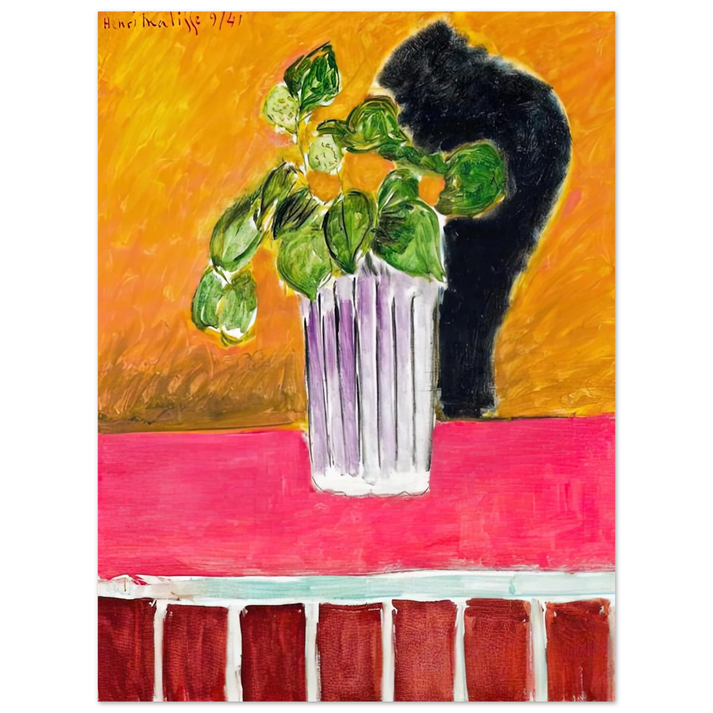
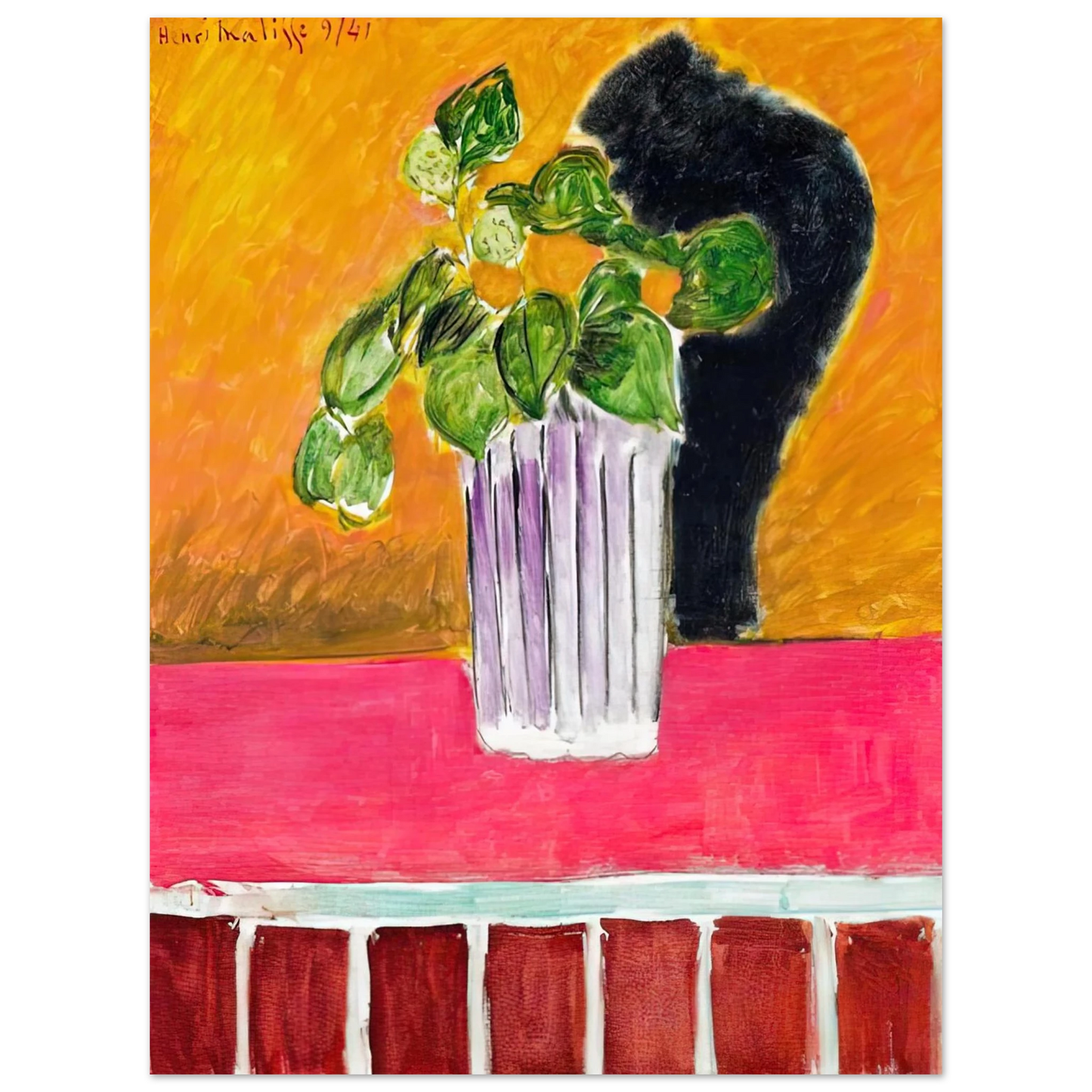
Henri Matisse - IVY BRANCH 1941 75x100 cm / 30x40inches Fine Art Poster
Henri Matisse - IVY BRANCH 1941 75x100 cm / 30x40inches Fine Art Poster
Couldn't load pickup availability
Henri Matisse - Ivy Branch (1941) | Museum-Quality Fine Art Print
Immerse yourself in the serene botanical world of Henri Matisse with this exquisite reproduction of "Ivy Branch" (1941). Created during the artist's later years, this work showcases Matisse's masterful use of simplified forms and expressive line work, capturing the organic elegance of ivy with a timeless, modernist sensibility. The composition—measuring 75x100 cm (30x40 inches)—balances delicate foliage against a minimalist background, evoking a mood of tranquil contemplation and natural harmony, perfect for elevating any living space, office, or gallery wall.
RedKalion presents this artwork as a Master's Edition archival print, crafted on premium museum-quality paper to honor Matisse's original vision. Our reproduction utilizes a matte, uncoated finish on natural white (off-white) paper, offering a luxurious texture that mimics the tactile feel of fine art paper. With acid-free properties (pH above 7), this print is designed to resist yellowing and ensure archival longevity, while the 250 gsm (110 lb) weight and 0.29 mm (11.4 mils) thickness provide a substantial, gallery-worthy presence. Printed on FSC-certified sustainable paper and fulfilled on demand with no minimum orders, this piece combines artistic heritage with ethical craftsmanship.
Art Historical Insight: In "Ivy Branch," Matisse employs his signature papiers découpés (cut-paper) technique, which he pioneered in the 1940s after health issues limited his painting. This method involved cutting shapes from painted paper and arranging them into dynamic compositions, reflecting his lifelong pursuit of pure color and form. The ivy motif symbolizes growth and resilience, echoing Matisse's own creative rebirth during this period.
Elevate your environment with an archival masterpiece from RedKalion, where expertise in art history meets uncompromising quality in fine art reproductions.
Discover Unlimited Art Possibilities
At RedKalion, you can find virtually any artwork from any artist, available in a wide range of sizes to perfectly match your space.
If you didn’t find what you’re looking for, contact us at support@redkalion.com . We will source any artwork and produce it in any size and format you need, including art prints, posters, canvas, framed pieces, framed canvas, and more.
For dedicated art enthusiasts, we also offer handcrafted replicas of any artwork, carefully painted by highly skilled artists using traditional techniques.
For custom requests, contact us at support@redkalion.com .
What are the dimensions of this Henri Matisse Ivy Branch print?
This fine art poster measures 75x100 cm (30x40 inches), ideal for standard framing and creating a focal point in any room with its museum-quality reproduction.
What type of paper is used for this archival print?
It's printed on Master's Edition archival paper, featuring a matte, uncoated finish and natural white color for a luxurious texture that ensures long-lasting vibrancy in your fine art collection.
How durable and long-lasting is this art print?
With acid-free properties (pH above 7) and 250 gsm weight, this print resists yellowing and offers archival longevity, making it a sustainable choice for preserving Matisse's artwork.
What is the shipping and fulfillment process for this print?
We print and ship on demand with no minimum orders, using eco-friendly FSC-certified paper to deliver your museum-quality reproduction directly to your door.
Can I frame this print easily?
Yes, its 0.29 mm thickness and standard 75x100 cm size make it compatible with most frames, enhancing the elegant matte finish of this fine art poster.
What artistic technique did Matisse use for Ivy Branch?
Matisse employed his papiers découpés (cut-paper) technique, cutting shapes from painted paper to create simplified, expressive forms that define this 1941 botanical masterpiece.
Why is the ivy motif significant in Matisse's work?
The ivy symbolizes growth and resilience, reflecting Matisse's creative rebirth during the 1940s and his focus on natural themes in his later cut-out period.