
RedKalion
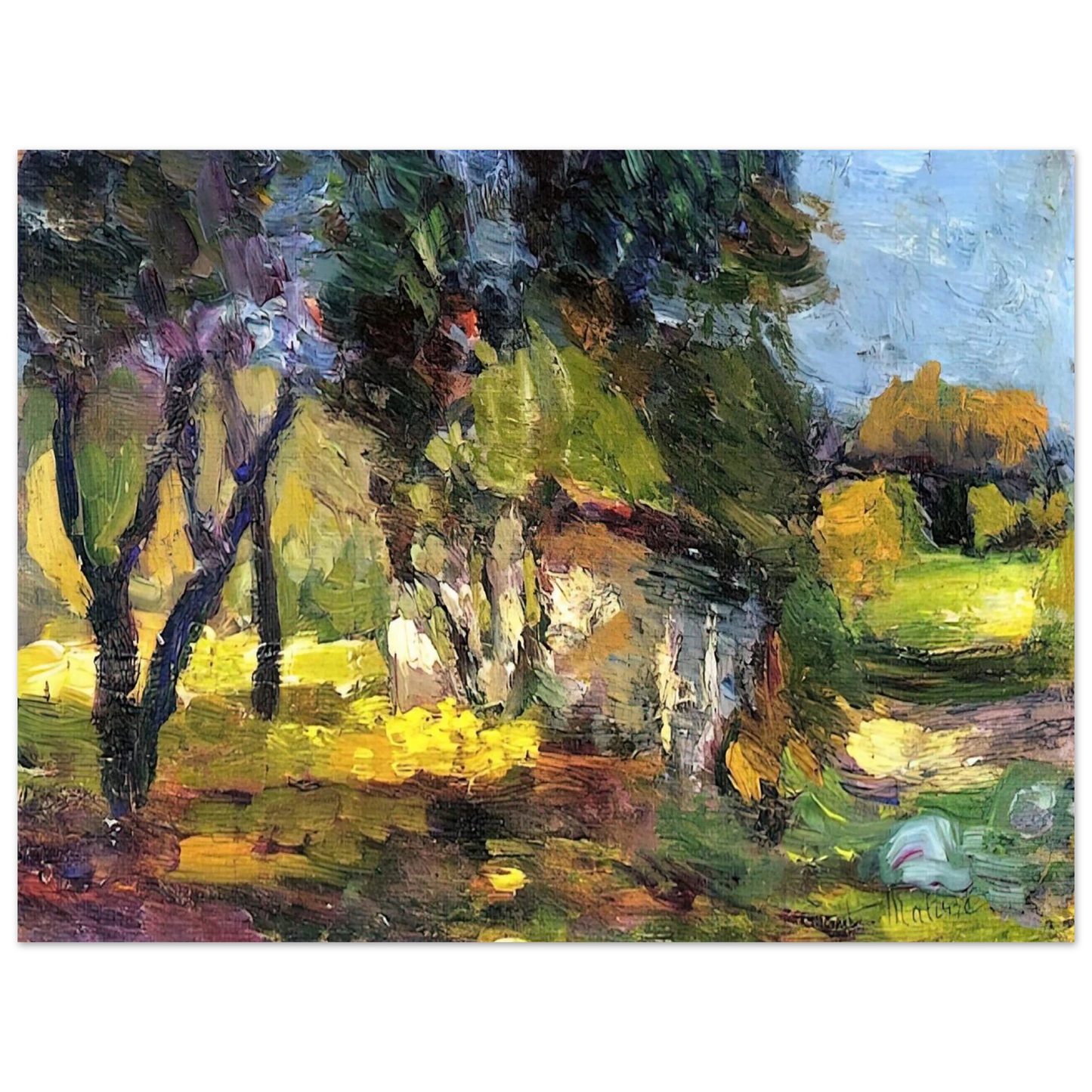
Henri Matisse - LANDSCAPE CORSICA 1898 75x100 cm / 30x40inches Fine Art Poster
Henri Matisse - LANDSCAPE CORSICA 1898 75x100 cm / 30x40inches Fine Art Poster
Couldn't load pickup availability
Henri Matisse - LANDSCAPE CORSICA 1898: A Fauvist Masterpiece
Immerse yourself in the vibrant energy of Henri Matisse's LANDSCAPE CORSICA 1898, a pivotal work from his early Fauvist period. This museum-quality reproduction captures the bold, expressive brushstrokes and luminous color palette that defined Matisse's revolutionary approach to modern art. Painted during his transformative stay on the Mediterranean island, the artwork radiates with the raw, untamed beauty of Corsican nature, evoking a sense of freedom and emotional intensity.
RedKalion presents this fine art print on our exclusive Master's Edition archival paper, ensuring every detail—from the dynamic sky to the textured foliage—is rendered with impeccable fidelity. The matte, uncoated finish and natural white hue provide a luxurious, tactile experience that honors the original's artistic spirit. Measuring 75x100 cm (30x40 inches), this piece is perfectly scaled to command attention in any interior, from a contemporary living room to a sophisticated office.
Art Historical Insight: In 1898, Matisse's journey to Corsica marked a turning point in his career, liberating him from academic constraints. LANDSCAPE CORSICA exemplifies his exploration of pure color and emotional expression, foreshadowing the Fauvist movement that would soon shock the art world. This print allows you to own a slice of this groundbreaking moment in art history.
- Paper Quality: Master's Edition archival paper, acid-free (pH above 7) to prevent yellowing, ensuring longevity for generations.
- Physical Specifications: 250 gsm (110 lb) weight with a thickness of 0.29 mm (11.4 mils), offering a substantial, premium feel.
- Sustainability: Crafted from FSC-certified paper, reflecting our commitment to environmental responsibility.
- Fulfillment: Printed and shipped on demand with no minimum orders, providing a personalized, efficient service.
Elevate your space with an archival masterpiece that endures, blending historical significance with contemporary elegance. Trust RedKalion for premium reproductions that celebrate the legacy of great artists like Henri Matisse.
Discover Unlimited Art Possibilities
At RedKalion, you can find virtually any artwork from any artist, available in a wide range of sizes to perfectly match your space.
If you didn’t find what you’re looking for, contact us at support@redkalion.com . We will source any artwork and produce it in any size and format you need, including art prints, posters, canvas, framed pieces, framed canvas, and more.
For dedicated art enthusiasts, we also offer handcrafted replicas of any artwork, carefully painted by highly skilled artists using traditional techniques.
For custom requests, contact us at support@redkalion.com .
What are the dimensions of this Henri Matisse fine art print?
This museum-quality reproduction measures 75x100 cm (30x40 inches), making it an ideal size for prominent display in homes or offices.
What type of paper is used for this archival print?
It's printed on Master's Edition archival paper, which is acid-free (pH above 7), matte, uncoated, and natural white for a luxurious texture that prevents yellowing over time.
How is this print shipped and are there minimum order requirements?
We offer no minimum orders and print on demand, ensuring efficient fulfillment and personalized shipping directly to you.
What is the weight and thickness of the paper for durability?
The paper is 250 gsm (110 lb) with a thickness of 0.29 mm (11.4 mils), providing a substantial, premium feel that enhances longevity.
Is this print environmentally sustainable?
Yes, it uses FSC-certified paper, reflecting our commitment to sustainability in producing high-quality art reproductions.
Why is LANDSCAPE CORSICA 1898 significant in Matisse's career?
Painted during his transformative stay in Corsica, this work marks Matisse's shift toward Fauvism, showcasing bold colors and expressive brushwork that broke from academic traditions.
What artistic techniques define this landscape by Matisse?
Matisse employed vibrant, non-naturalistic colors and dynamic brushstrokes in this piece, emphasizing emotional expression over realistic depiction, key traits of early Fauvist art.