RedKalion
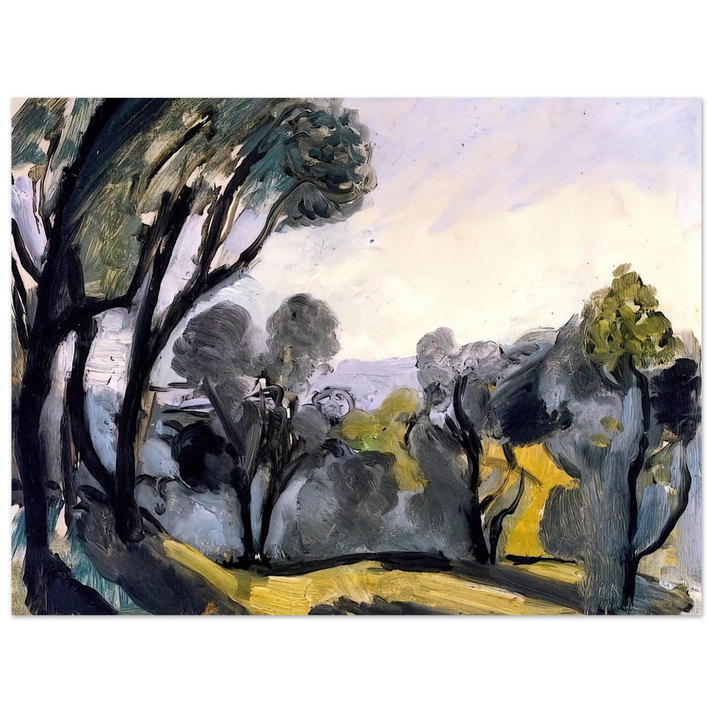
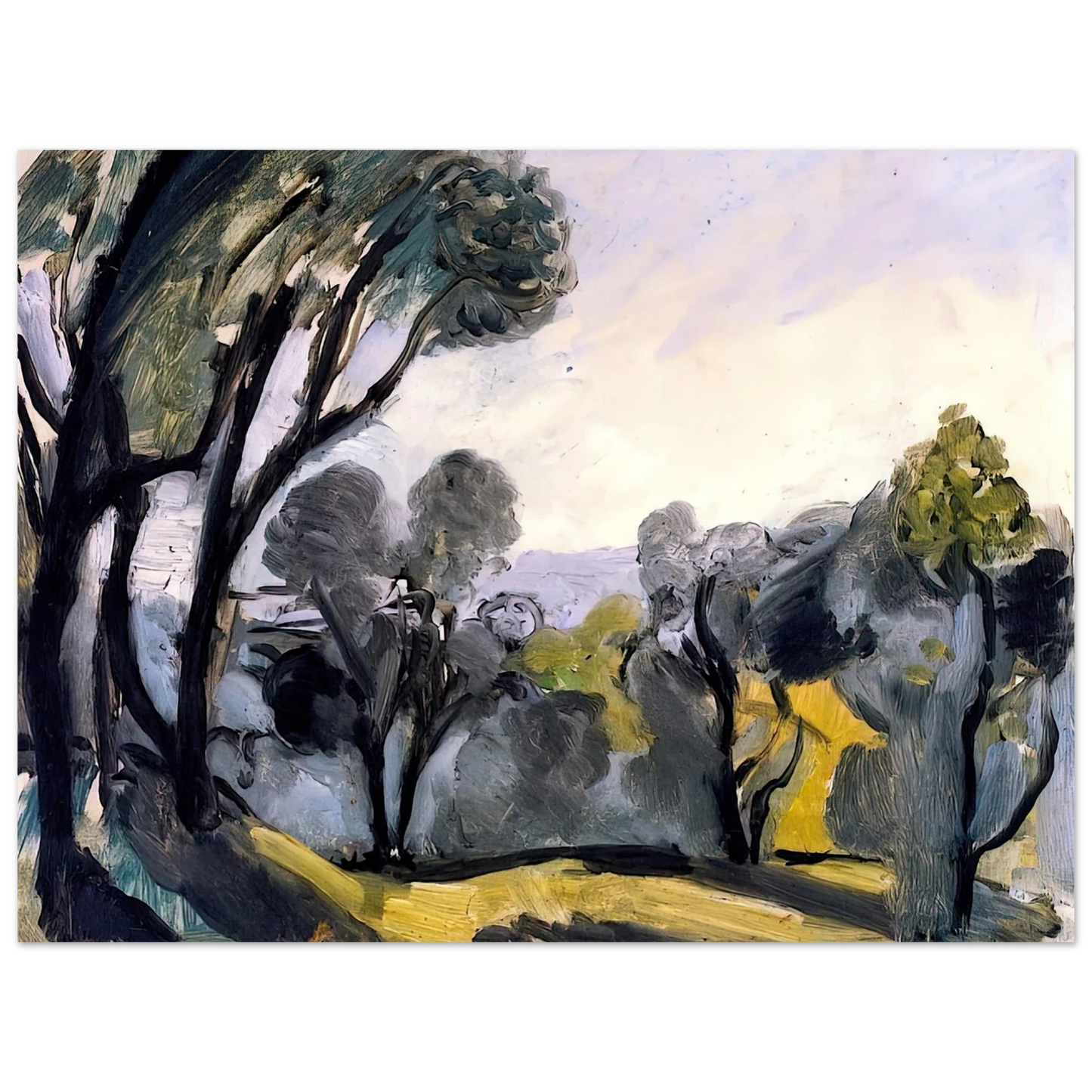
Henri Matisse - LANDSCAPE WITH OLIVE TREES 1918 75x100 cm / 30x40inches Fine Art Poster
Henri Matisse - LANDSCAPE WITH OLIVE TREES 1918 75x100 cm / 30x40inches Fine Art Poster
Couldn't load pickup availability
Henri Matisse - LANDSCAPE WITH OLIVE TREES 1918: A Masterpiece of Fauvist Color
Immerse yourself in the vibrant, sun-drenched world of Henri Matisse with this museum-quality fine art print of LANDSCAPE WITH OLIVE TREES, created in 1918. This iconic work captures Matisse's revolutionary Fauvist style, where bold, expressive color takes precedence over realistic representation. The 75x100 cm (30x40 inches) composition features rhythmic olive groves under a brilliant Mediterranean sky, evoking a sense of serene joy and timeless beauty. It's a statement piece that brings the energy of early 20th-century modern art into any contemporary space.
RedKalion presents this archival reproduction on our exclusive Master's Edition paper, ensuring every brushstroke and hue is rendered with impeccable fidelity. The matte, uncoated finish and natural white (off-white) tone provide a luxurious texture that mirrors the feel of original art paper, while the FSC-certified, acid-free (pH above 7) material guarantees it will resist yellowing for generations. With a substantial weight of 250 gsm (110 lb) and thickness of 0.29 mm (11.4 mils), this print offers a premium, gallery-ready presence.
Art Historical Insight: Painted during Matisse's time in Nice, France, LANDSCAPE WITH OLIVE TREES reflects his post-Fauvist exploration of simplified forms and harmonious color palettes. Unlike his earlier, more chaotic Fauvist works, this piece demonstrates a refined balance—using olive trees as rhythmic elements to structure the landscape, while still employing non-naturalistic greens and blues to convey emotional warmth and light. It's a testament to Matisse's enduring quest to create art that is "a soothing, calming influence on the mind, rather than a disturbing one."
Elevate your home or office with an archival masterpiece that endures. RedKalion's on-demand printing means no minimum orders, so you can acquire this exquisite reproduction crafted to the highest standards of fine art curation.
Discover Unlimited Art Possibilities
At RedKalion, you can find virtually any artwork from any artist, available in a wide range of sizes to perfectly match your space.
If you didn’t find what you’re looking for, contact us at support@redkalion.com . We will source any artwork and produce it in any size and format you need, including art prints, posters, canvas, framed pieces, framed canvas, and more.
For dedicated art enthusiasts, we also offer handcrafted replicas of any artwork, carefully painted by highly skilled artists using traditional techniques.
For custom requests, contact us at support@redkalion.com .
What are the dimensions and details of this Henri Matisse print?
This fine art poster measures 75x100 cm (30x40 inches) and reproduces Matisse's 1918 Fauvist painting LANDSCAPE WITH OLIVE TREES, featuring vibrant olive groves in a Mediterranean landscape.
What type of paper is used for this museum-quality reproduction?
It's printed on Master's Edition archival paper, a matte, uncoated, natural white (off-white) sheet that offers a luxurious texture and is FSC-certified for sustainability.
How durable and long-lasting is this fine art print?
With acid-free (pH above 7) properties and a weight of 250 gsm (110 lb), thickness 0.29 mm (11.4 mils), it resists yellowing and ensures archival longevity for decades.
What is the shipping and fulfillment process for this poster?
We print and ship on demand with no minimum orders, providing efficient delivery for this premium reproduction directly to your door.
Can this print be framed easily, and does it come with framing?
Yes, its standard 75x100 cm size and matte finish make it easy to frame; it's sold as a print only, allowing you to choose custom framing options.
What artistic movement does this Matisse painting represent?
This work is from Matisse's Fauvist period, characterized by bold, non-naturalistic colors and expressive brushwork that emphasize emotional impact over realism.
Where was LANDSCAPE WITH OLIVE TREES painted, and why is it significant?
Painted in Nice, France in 1918, it marks Matisse's refined post-Fauvist style, using rhythmic olive trees to create harmony and calm in a vibrant landscape.