
RedKalion
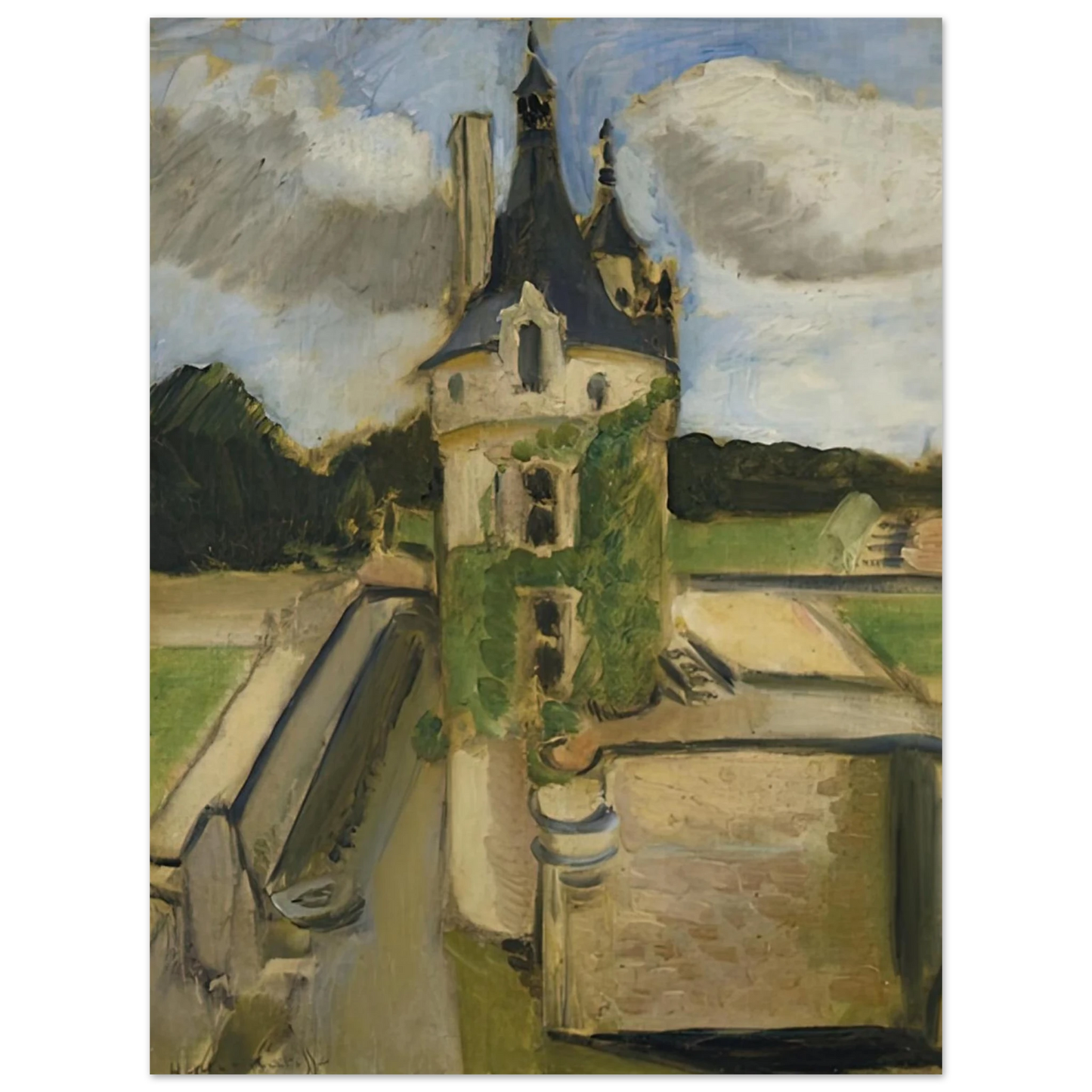
Henri Matisse - LLA TOUR DE CHENONCEAUX 1917 75x100 cm / 30x40inches Fine Art Poster
Henri Matisse - LLA TOUR DE CHENONCEAUX 1917 75x100 cm / 30x40inches Fine Art Poster
Couldn't load pickup availability
Henri Matisse - La Tour de Chenonceaux 1917: A Masterpiece of Fauvist Color
Immerse yourself in the vibrant, revolutionary vision of Henri Matisse with this museum-quality fine art print of La Tour de Chenonceaux (1917). This iconic work captures the essence of the Fauvist movement, where Matisse liberated color from its descriptive role, using bold, expressive hues to convey emotion and light rather than mere reality. The composition focuses on the historic tower of the Château de Chenonceau, rendered with simplified forms and a dynamic palette that dances between warm ochres, deep greens, and brilliant blues. It's a testament to Matisse's genius in finding harmony in abstraction, making it a timeless centerpiece for any sophisticated interior.
RedKalion presents this archival reproduction on our exclusive Master's Edition archival paper, ensuring every brushstroke and color nuance is preserved with impeccable fidelity. The matte, uncoated finish and natural white (off-white) surface provide a luxurious texture that echoes the tactile quality of original works, free from glare for optimal viewing. Crafted from acid-free, FSC-certified paper with a substantial 250 gsm weight (0.29 mm thickness), this print is designed to resist yellowing and endure for generations, meeting the highest standards of fine art conservation.
Elevate your space with a piece that bridges art history and modern elegance. This 75x100 cm (30x40 inches) fine art poster is printed and shipped on demand, offering a seamless way to own a slice of Matisse's legacy without compromise.
Discover Unlimited Art Possibilities
At RedKalion, you can find virtually any artwork from any artist, available in a wide range of sizes to perfectly match your space.
If you didn’t find what you’re looking for, contact us at support@redkalion.com . We will source any artwork and produce it in any size and format you need, including art prints, posters, canvas, framed pieces, framed canvas, and more.
For dedicated art enthusiasts, we also offer handcrafted replicas of any artwork, carefully painted by highly skilled artists using traditional techniques.
For custom requests, contact us at support@redkalion.com .
What is the historical significance of Henri Matisse's La Tour de Chenonceaux?
Painted in 1917, this work exemplifies Matisse's Fauvist style, using bold, non-naturalistic colors to evoke emotion and light rather than realistic depiction, marking a key moment in modern art history.
What are the dimensions of this fine art print?
This museum-quality reproduction measures 75x100 cm (30x40 inches), perfect for creating a striking focal point in any room with its archival-grade presence.
What type of paper is used for this archival print?
It's printed on Master's Edition archival paper, featuring a matte, uncoated, natural white finish for a luxurious texture and acid-free composition to ensure longevity.
How durable is this fine art poster against fading or yellowing?
With acid-free paper (pH above 7) and FSC-certified sustainability, this print resists yellowing over time, offering archival longevity for a lasting investment.
What is the weight and thickness of the paper?
The paper is 250 gsm (110 lb) with a thickness of 0.29 mm (11.4 mils), providing a substantial, premium feel that enhances the artwork's museum-quality reproduction.
How does the shipping and fulfillment process work?
We print and ship on demand with no minimum orders, ensuring each fine art poster is crafted fresh and delivered directly to you with care.
Why did Matisse choose the Château de Chenonceau as a subject?
Matisse was drawn to its architectural elegance and historical charm, using it as a canvas to explore color theory and simplified forms during his Fauvist period.