RedKalion
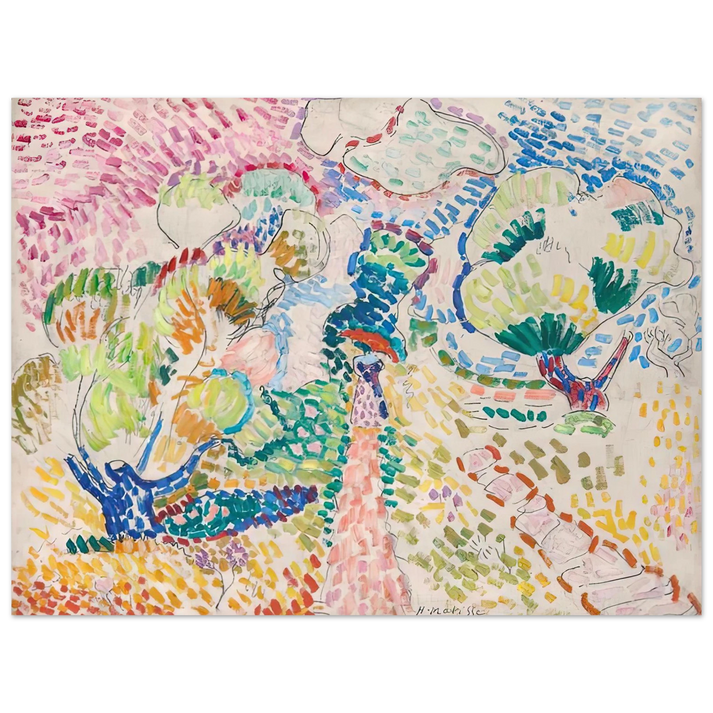
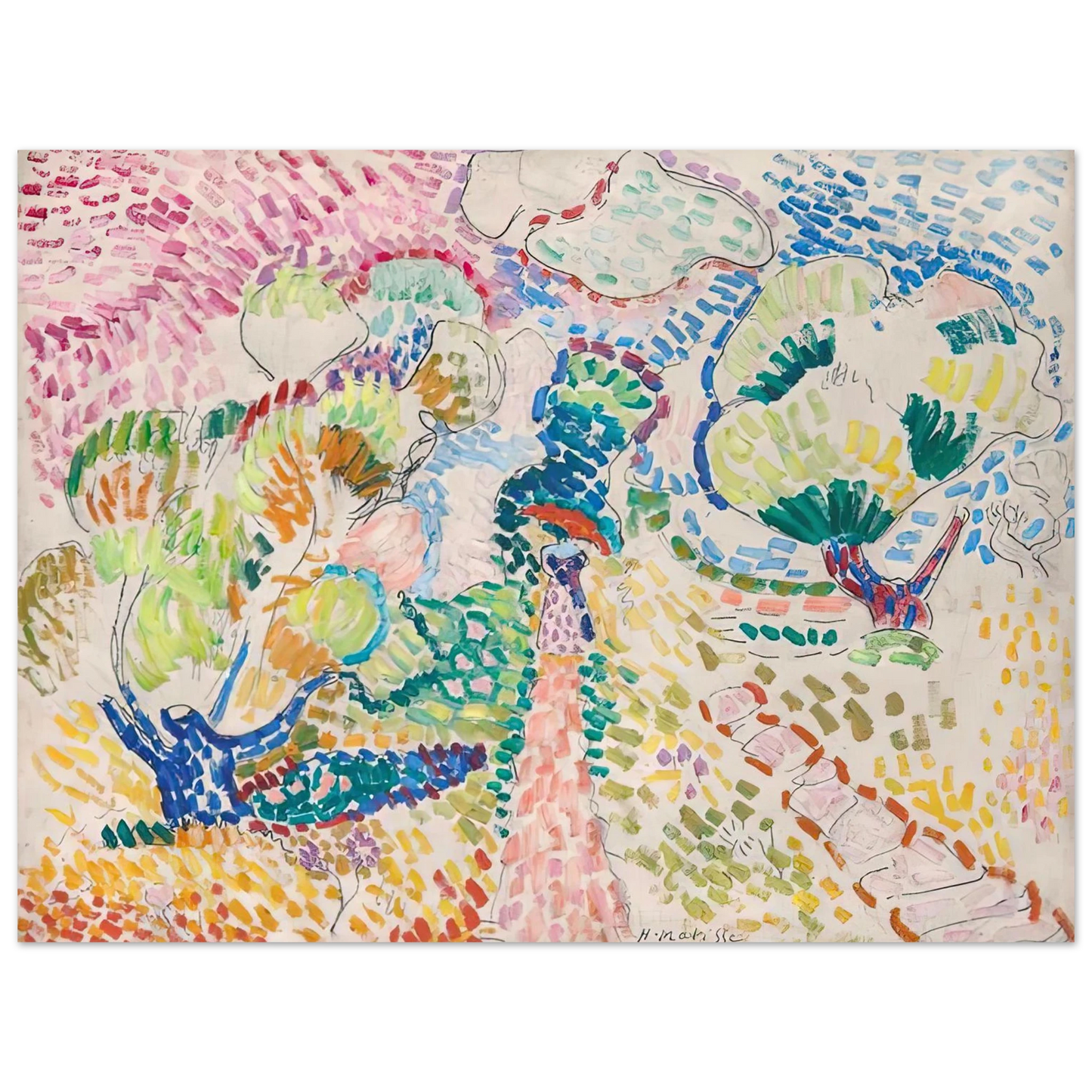
Henri Matisse - MADAME MATISSE IN THE OLIVE GROVE 1905 75x100 cm / 30x40inches Fine Art Poster
Henri Matisse - MADAME MATISSE IN THE OLIVE GROVE 1905 75x100 cm / 30x40inches Fine Art Poster
Couldn't load pickup availability
Henri Matisse - MADAME MATISSE IN THE OLIVE GROVE 1905: A Fauvist Masterpiece
Immerse yourself in the vibrant energy of early 20th-century modern art with this museum-quality fine art print of Henri Matisse's 'Madame Matisse in the Olive Grove' (1905). This seminal work, created during Matisse's Fauvist period, captures his wife Amélie amidst the sun-drenched landscape of Collioure, France. Matisse's revolutionary use of non-naturalistic, expressive color—bold greens, blues, and ochres—transforms the olive grove into a dynamic, emotional tableau, challenging traditional representation and heralding a new artistic freedom.
RedKalion presents this archival reproduction on our exclusive Master's Edition paper, a 250 gsm (110 lb), 0.29 mm thick substrate with a natural white, matte finish. This FSC-certified, acid-free paper ensures the vivid Fauvist hues remain pristine for generations, offering a tactile, gallery-worthy presence. Printed on demand to your specifications, this 75x100 cm (30x40 inch) poster invites you to elevate any interior with a touch of historic avant-garde brilliance.
- Artwork: 'Madame Matisse in the Olive Grove' (1905) by Henri Matisse
- Dimensions: 75x100 cm / 30x40 inches
- Paper: Master's Edition archival paper, museum-quality, matte finish, natural white
- Archival Properties: Acid-free (pH above 7), FSC-certified, 250 gsm (110 lb), 0.29 mm thickness
- Fulfillment: Printed and shipped on demand with no minimum orders
Discover Unlimited Art Possibilities
At RedKalion, you can find virtually any artwork from any artist, available in a wide range of sizes to perfectly match your space.
If you didn’t find what you’re looking for, contact us at support@redkalion.com . We will source any artwork and produce it in any size and format you need, including art prints, posters, canvas, framed pieces, framed canvas, and more.
For dedicated art enthusiasts, we also offer handcrafted replicas of any artwork, carefully painted by highly skilled artists using traditional techniques.
For custom requests, contact us at support@redkalion.com .
What is the historical significance of 'Madame Matisse in the Olive Grove'?
Painted in 1905 during Matisse's Fauvist period, this artwork is celebrated for its bold, non-naturalistic colors and expressive brushwork, marking a pivotal shift toward modern abstraction in fine art.
What details make this Matisse print museum-quality?
This fine art print uses Master's Edition archival paper with a matte finish and acid-free properties to replicate the original's vibrancy, ensuring a premium reproduction for art collectors.
What are the specifications of the archival paper used?
The paper is 250 gsm (110 lb) weight, 0.29 mm thick, with a natural white, uncoated matte finish, offering durability and a luxurious texture for this Henri Matisse poster.
How is this print shipped and are there order minimums?
Printed on demand with no minimum orders, it's shipped securely to preserve its museum-quality condition, making it ideal for home or office decor.
How long will this archival print last without yellowing?
With acid-free (pH above 7) and FSC-certified paper, this reproduction resists yellowing over time, maintaining its colors for decades as a lasting art investment.
Why did Matisse use such vibrant colors in this painting?
Matisse employed intense hues to convey emotional intensity and light, characteristic of Fauvism, breaking from realism to create a dynamic, expressive olive grove scene.
Who is depicted in 'Madame Matisse in the Olive Grove'?
The subject is Matisse's wife, Amélie, portrayed amidst the olive groves of Collioure, reflecting his personal life and experimental approach to portraiture in 1905.