
RedKalion
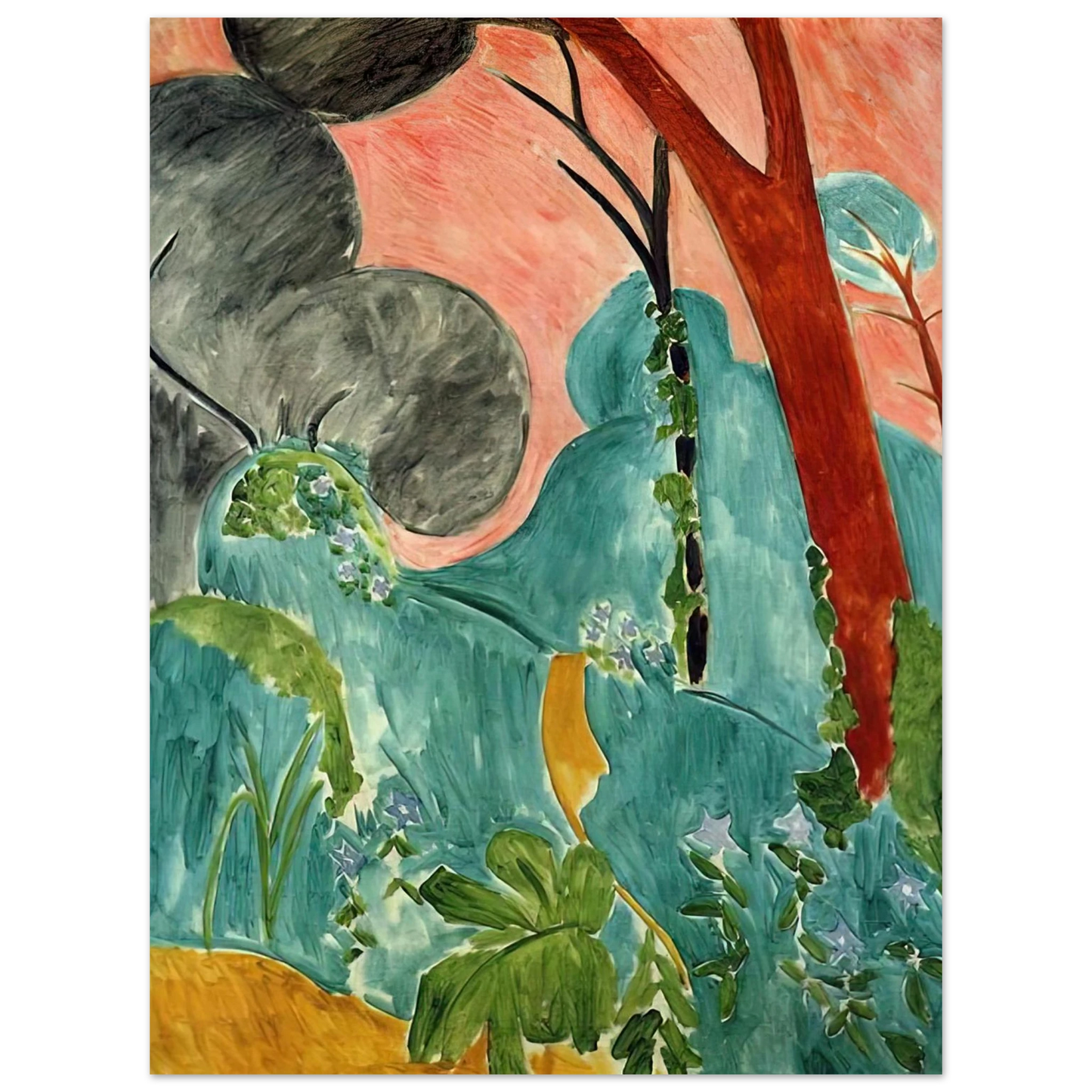
Henri Matisse - MORACCAN GARDEN 1912 75x100 cm / 30x40inches Fine Art Poster
Henri Matisse - MORACCAN GARDEN 1912 75x100 cm / 30x40inches Fine Art Poster
Couldn't load pickup availability
Henri Matisse - Moroccan Garden (1912) Fine Art Print
Immerse yourself in the vibrant, sun-drenched world of Henri Matisse with this museum-quality reproduction of "Moroccan Garden" (1912). Created during Matisse's pivotal travels to North Africa, this masterpiece captures the artist's revolutionary use of color and simplified forms that would define his Fauvist legacy. Measuring 75x100 cm (30x40 inches), this archival print invites the exotic allure and rhythmic patterns of a Moroccan oasis into your space, evoking a sense of serene luxury and artistic boldness.
RedKalion presents this work on our exclusive Master's Edition archival paper, ensuring every brushstroke and hue is rendered with gallery-grade precision. The matte, uncoated finish in a natural white tone enhances the artwork's depth while providing a tactile, luxurious texture that resists glare. Crafted from FSC-certified, acid-free paper (pH above 7), this print is designed to endure for generations without yellowing, supported by a substantial 250 gsm (110 lb) weight and 0.29 mm (11.4 mils) thickness for a premium feel.
As a trusted curator of fine art reproductions, RedKalion combines historical expertise with modern craftsmanship. "Moroccan Garden" reflects Matisse's fascination with non-Western art, where he distilled complex scenes into harmonious blocks of color—a technique that influenced modern abstraction. Elevate your home or office with this archival masterpiece, printed and shipped on demand with no minimum orders, offering an authentic piece of art history that stands the test of time.
Discover Unlimited Art Possibilities
At RedKalion, you can find virtually any artwork from any artist, available in a wide range of sizes to perfectly match your space.
If you didn’t find what you’re looking for, contact us at support@redkalion.com . We will source any artwork and produce it in any size and format you need, including art prints, posters, canvas, framed pieces, framed canvas, and more.
For dedicated art enthusiasts, we also offer handcrafted replicas of any artwork, carefully painted by highly skilled artists using traditional techniques.
For custom requests, contact us at support@redkalion.com .
What are the dimensions and details of this Henri Matisse print?
This fine art print measures 75x100 cm (30x40 inches) and reproduces Henri Matisse's "Moroccan Garden" from 1912, capturing its vibrant Fauvist colors and exotic garden scene for your decor.
What type of paper is used for this museum-quality reproduction?
It's printed on Master's Edition archival paper, featuring a matte, uncoated finish in natural white for a luxurious texture, with FSC-certified sustainability to ensure eco-friendly quality.
How is this print shipped and are there minimum order requirements?
We offer on-demand printing and shipping with no minimum orders, providing convenient fulfillment for this Henri Matisse fine art poster directly to your door.
What makes this print archival and long-lasting?
Made from acid-free paper (pH above 7) with a weight of 250 gsm (110 lb) and thickness of 0.29 mm (11.4 mils), it resists yellowing and ensures durability for years.
Can you tell me more about the historical significance of "Moroccan Garden"?
Painted in 1912 during Matisse's travels to North Africa, this work showcases his Fauvist style, using bold colors and simplified forms to depict exotic scenes, influencing modern art movements.
What inspired Matisse's use of color in this artwork?
Matisse was inspired by Moroccan landscapes and non-Western art, employing vibrant hues to evoke emotion and harmony, a key technique in his revolutionary approach to color theory.