
RedKalion
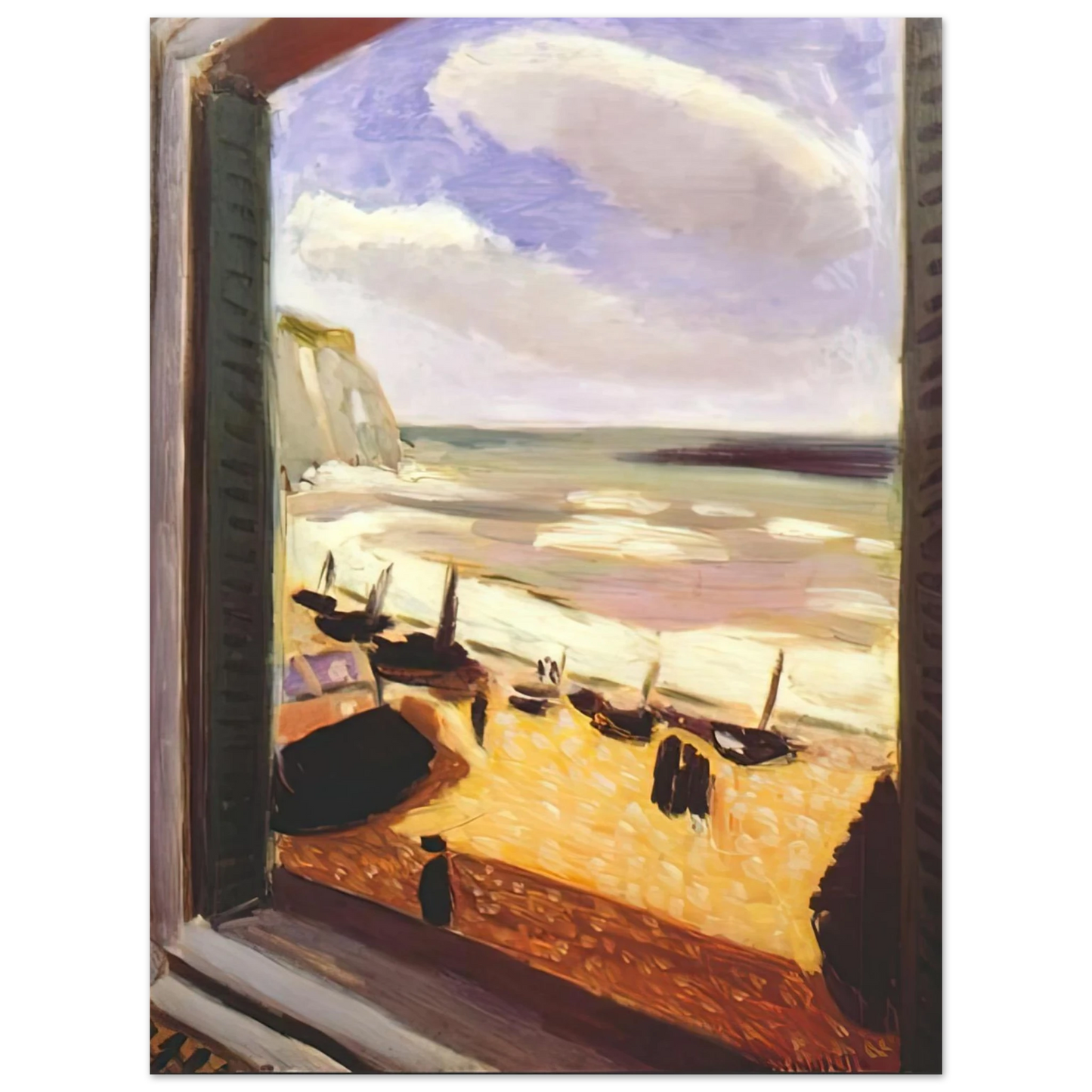
Henri Matisse - OPEN WINDOW AT ETRETAT 1921 75x100 cm / 30x40inches Fine Art Poster
Henri Matisse - OPEN WINDOW AT ETRETAT 1921 75x100 cm / 30x40inches Fine Art Poster
Couldn't load pickup availability
Henri Matisse's 'Open Window at Etretat' (1921) - Museum-Quality Fine Art Print
Immerse yourself in the luminous world of Henri Matisse with this exquisite reproduction of 'Open Window at Etretat' from 1921. This iconic work captures the French Riviera's serene beauty through Matisse's revolutionary Fauvist lens, where bold color and simplified forms evoke a sense of tranquil openness. Measuring 75x100 cm (30x40 inches), this fine art print invites the Mediterranean light into any space, transforming interiors with its timeless elegance.
At RedKalion, we specialize in archival-grade reproductions that honor the artist's original vision. Our Master's Edition archival paper ensures museum-quality fidelity, with a matte, uncoated finish and natural white hue that enhances the artwork's texture without glare. Crafted from acid-free, FSC-certified materials, this print is designed to resist yellowing and endure for generations, reflecting our commitment to both artistic integrity and sustainability.
Art Historical Insight: Created during Matisse's later period, 'Open Window at Etretat' exemplifies his mastery of color harmony and spatial composition. Unlike his earlier, more abstract works, this piece blends realism with expressive color fields, showcasing how Matisse used windows as metaphors for artistic perception—bridging the interior and exterior worlds. The 1921 date places it in a phase where he refined his style toward greater clarity and emotional depth, influenced by the coastal light of Etretat.
Elevate your home or office with a piece that combines historical significance with premium craftsmanship. Each print is produced on demand, ensuring no minimum orders and personalized fulfillment, so you can trust in a seamless acquisition of this archival masterpiece.
Discover Unlimited Art Possibilities
At RedKalion, you can find virtually any artwork from any artist, available in a wide range of sizes to perfectly match your space.
If you didn’t find what you’re looking for, contact us at support@redkalion.com . We will source any artwork and produce it in any size and format you need, including art prints, posters, canvas, framed pieces, framed canvas, and more.
For dedicated art enthusiasts, we also offer handcrafted replicas of any artwork, carefully painted by highly skilled artists using traditional techniques.
For custom requests, contact us at support@redkalion.com .
What are the dimensions and details of this Henri Matisse fine art print?
This museum-quality reproduction measures 75x100 cm (30x40 inches), capturing Matisse's 'Open Window at Etretat' from 1921 with archival precision on acid-free paper.
What type of paper is used for this archival art print?
We use Master's Edition archival paper, a museum-quality, matte, uncoated, natural white sheet that ensures longevity and a luxurious texture for your fine art poster.
How durable is this acid-free art print against yellowing?
With a pH above 7, this acid-free print is designed to prevent yellowing over time, offering archival longevity for your Matisse reproduction.
What are the weight and thickness specifications of the paper?
The paper is 250 gsm (110 lb) with a thickness of 0.29 mm (11.4 mils), providing a sturdy, premium feel for your fine art poster.
Is this FSC-certified paper sustainable?
Yes, our FSC-certified paper supports sustainable forestry practices, aligning with RedKalion's commitment to eco-friendly fine art reproductions.
How does Matisse's use of color in 'Open Window at Etretat' reflect his Fauvist style?
Matisse employs bold, non-naturalistic colors to evoke emotional resonance, a hallmark of Fauvism, creating a vibrant yet serene coastal scene in this 1921 masterpiece.
Why is the window motif significant in Matisse's artwork from this period?
Windows in Matisse's work symbolize the intersection of interior and exterior worlds, often representing artistic vision and the flow of light, as seen in this Etretat piece.