RedKalion
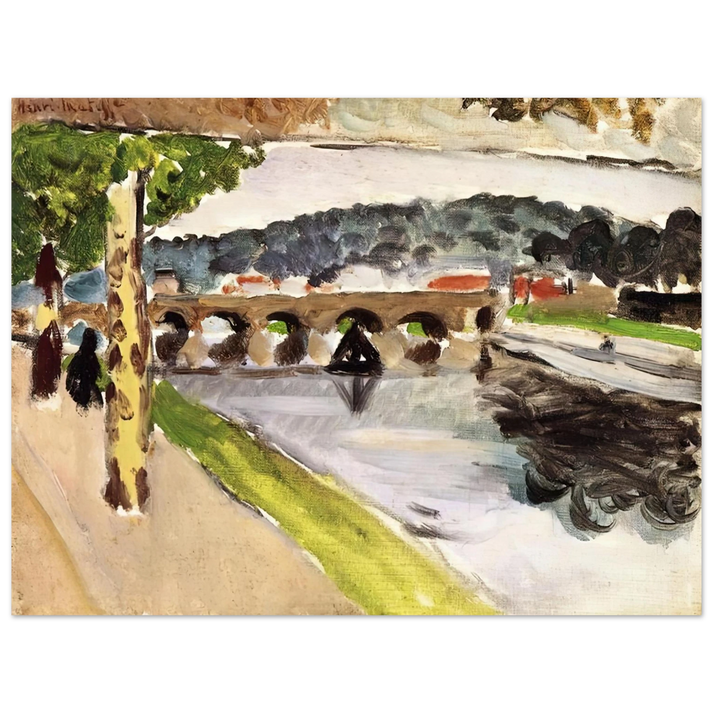
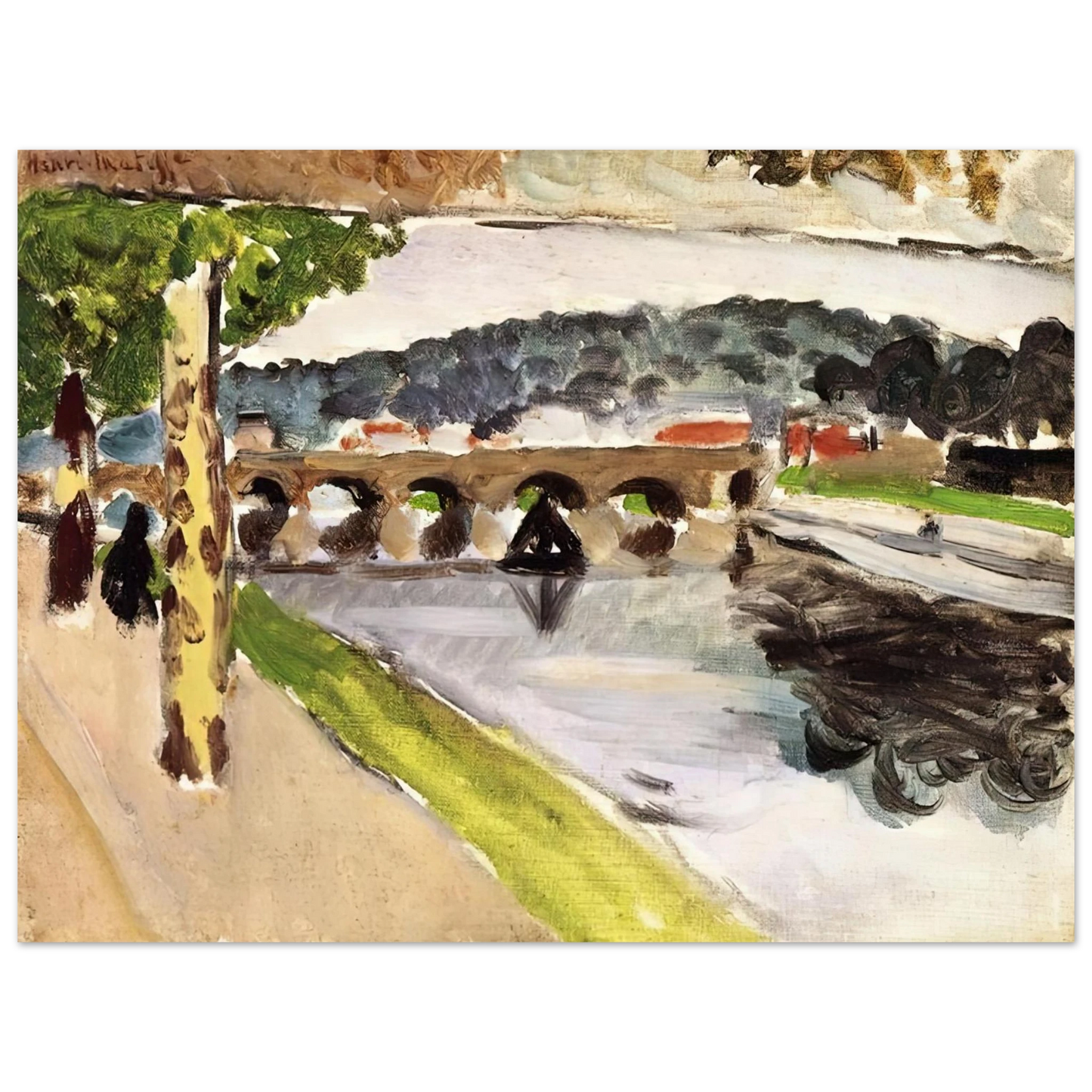
Henri Matisse - PARADE PLATANES 1917 75x100 cm / 30x40inches Fine Art Poster
Henri Matisse - PARADE PLATANES 1917 75x100 cm / 30x40inches Fine Art Poster
Couldn't load pickup availability
Henri Matisse - PARADE PLATANES 1917: A Museum-Quality Fine Art Print
Immerse yourself in the vibrant world of Henri Matisse with this exquisite reproduction of "Parade Platanes" (1917). This iconic work captures Matisse's revolutionary approach to color and form during his pivotal Nice period, where he explored the interplay of light and Mediterranean landscapes. The composition features a dynamic parade of plane trees, rendered with bold, expressive brushstrokes and a palette that evokes the warmth and vitality of the French Riviera. As a leader of the Fauvist movement, Matisse challenged traditional representation, using color as an emotional force—a principle vividly embodied in this masterpiece.
At RedKalion, we curate only the finest archival reproductions, ensuring every detail of Matisse's original vision is preserved. This print is produced on our Master's Edition archival paper, a museum-quality, acid-free material with a pH above 7 to prevent yellowing and ensure longevity for generations. The matte, uncoated finish in a natural white hue offers a luxurious texture that enhances the artwork's depth, while the substantial 250 gsm (110 lb) weight and 0.29 mm (11.4 mils) thickness provide a premium, gallery-ready feel. Crafted from FSC-certified paper, this piece reflects our commitment to sustainability without compromising on artistic integrity.
Elevate your space with an archival masterpiece that endures, printed and shipped on demand with no minimum orders. Trust RedKalion for authoritative reproductions that blend art historical expertise with unparalleled quality.
Discover Unlimited Art Possibilities
At RedKalion, you can find virtually any artwork from any artist, available in a wide range of sizes to perfectly match your space.
If you didn’t find what you’re looking for, contact us at support@redkalion.com . We will source any artwork and produce it in any size and format you need, including art prints, posters, canvas, framed pieces, framed canvas, and more.
For dedicated art enthusiasts, we also offer handcrafted replicas of any artwork, carefully painted by highly skilled artists using traditional techniques.
For custom requests, contact us at support@redkalion.com .
What is the historical significance of Henri Matisse's "Parade Platanes" (1917)?
"Parade Platanes" (1917) is a key work from Matisse's Nice period, showcasing his Fauvist use of bold color and expressive form to capture Mediterranean light and vitality, reflecting his departure from traditional representation.
What are the dimensions of this fine art print?
This museum-quality reproduction measures 75x100 cm (30x40 inches), ideal for creating a statement piece in any room with its archival-grade paper and matte finish.
What type of paper is used for this archival print?
It's printed on Master's Edition archival paper, an acid-free, FSC-certified material with a pH above 7 to ensure longevity and prevent yellowing over time.
How is this print shipped and are there minimum orders?
We print and ship on demand with no minimum orders, using careful packaging to protect your premium fine art poster during transit.
What is the weight and finish of this art reproduction?
The paper has a luxurious 250 gsm (110 lb) weight, 0.29 mm thickness, and a matte, uncoated finish in natural white for an authentic texture.
How does the archival quality ensure this print lasts?
With acid-free properties and pH above 7, this archival paper resists fading and yellowing, making it a durable choice for long-term display.
Can you describe the color palette in "Parade Platanes"?
Matisse employs vibrant greens, blues, and earthy tones in "Parade Platanes" to evoke the lively atmosphere of the French Riviera, emphasizing emotional impact over realism.