RedKalion
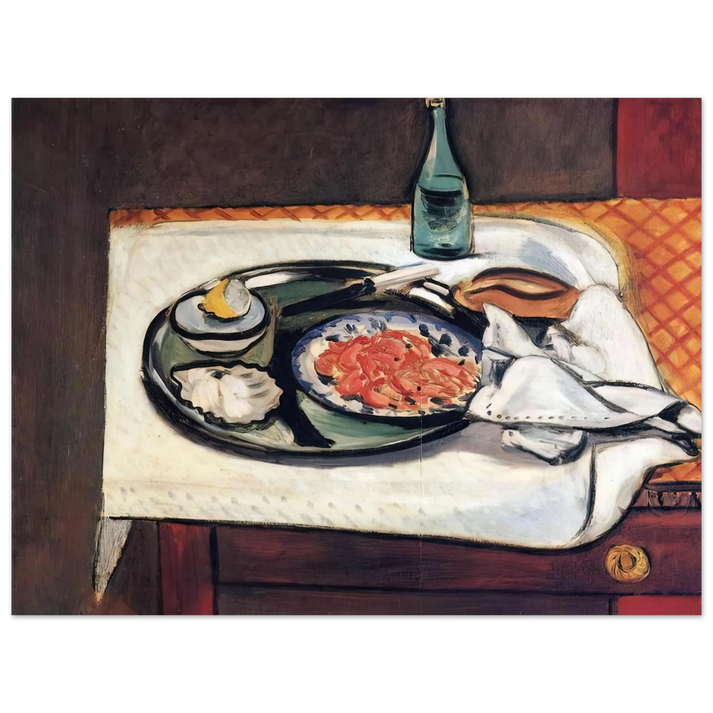
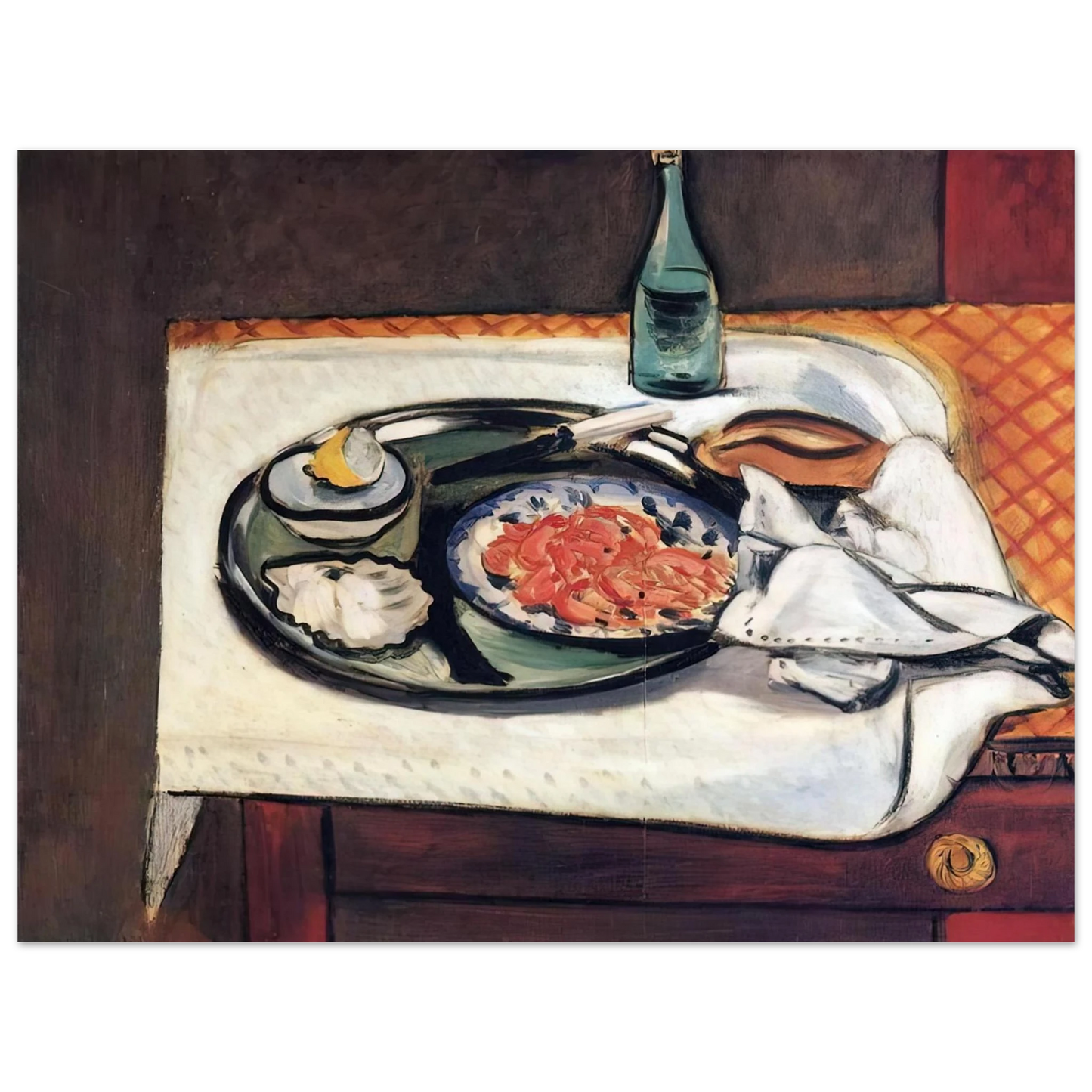
Henri Matisse - PINK SHRIMP 1921 75x100 cm / 30x40inches Fine Art Poster
Henri Matisse - PINK SHRIMP 1921 75x100 cm / 30x40inches Fine Art Poster
Couldn't load pickup availability
Henri Matisse - PINK SHRIMP 1921: A Vibrant Still Life Masterpiece
Immerse yourself in the bold, joyful world of Henri Matisse with this museum-quality fine art print of "Pink Shrimp" (1921). This iconic work captures Matisse's revolutionary Fauvist style, where vibrant, non-naturalistic colors and simplified forms express pure emotion. Measuring 75x100 cm (30x40 inches), this reproduction brings the dynamic energy of early 20th-century modern art directly into your home or office.
Created during Matisse's prolific period in Nice, France, "Pink Shrimp" exemplifies his mastery of color harmony and decorative composition. The painting features a striking arrangement of pink shrimp against a contrasting background, showcasing his innovative use of flat planes and expressive brushwork to evoke a sense of Mediterranean vitality. This piece is not just a still life; it's a celebration of life's simple pleasures through an avant-garde lens.
At RedKalion, we specialize in archival-grade reproductions that honor the artist's original vision. This print is produced on our exclusive Master's Edition archival paper, ensuring a matte, uncoated finish with a natural white (off-white) hue that enhances the artwork's luxurious texture. The paper is acid-free (pH above 7) to prevent yellowing, FSC-certified for sustainability, and boasts a substantial weight of 250 gsm (110 lb) with a thickness of 0.29 mm (11.4 mils) for durability. Printed and shipped on demand with no minimum orders, each piece is crafted to elevate your space with a timeless masterpiece that endures.
Whether you're an art enthusiast, collector, or interior designer, this fine art poster offers a sophisticated touch of modernism. Its vivid palette and historical significance make it a conversation starter, perfect for living rooms, studies, or creative workspaces. Trust RedKalion to deliver a premium reproduction that combines artistic integrity with exceptional quality.
Discover Unlimited Art Possibilities
At RedKalion, you can find virtually any artwork from any artist, available in a wide range of sizes to perfectly match your space.
If you didn’t find what you’re looking for, contact us at support@redkalion.com . We will source any artwork and produce it in any size and format you need, including art prints, posters, canvas, framed pieces, framed canvas, and more.
For dedicated art enthusiasts, we also offer handcrafted replicas of any artwork, carefully painted by highly skilled artists using traditional techniques.
For custom requests, contact us at support@redkalion.com .
What are the dimensions of this Henri Matisse fine art print?
This museum-quality reproduction measures 75x100 cm, equivalent to 30x40 inches, making it an ideal size for prominent display in any room.
What type of paper is used for this archival print?
It's printed on Master's Edition archival paper, a museum-quality, acid-free (pH above 7) material that prevents yellowing and ensures longevity for your fine art poster.
Is this print shipped ready to frame?
Yes, this on-demand print arrives unframed, allowing you to choose a custom frame that complements your decor and the artwork's vibrant Fauvist style.
How durable is the paper for long-term display?
The paper is 250 gsm (110 lb) with a thickness of 0.29 mm (11.4 mils), offering excellent durability and a luxurious matte, uncoated finish for a premium look.
Is the paper environmentally sustainable?
Yes, it's FSC-certified paper, ensuring responsible sourcing and sustainability for your eco-conscious art collection.
What is the historical significance of "Pink Shrimp" by Henri Matisse?
Created in 1921, this work reflects Matisse's Fauvist period, emphasizing bold colors and simplified forms to evoke emotion, showcasing his innovative approach to modern still life painting.
Why did Matisse use such vibrant colors in this artwork?
Matisse employed non-naturalistic, vibrant colors in "Pink Shrimp" to express joy and vitality, a hallmark of Fauvism that broke from traditional realism in early 20th-century art.