
RedKalion
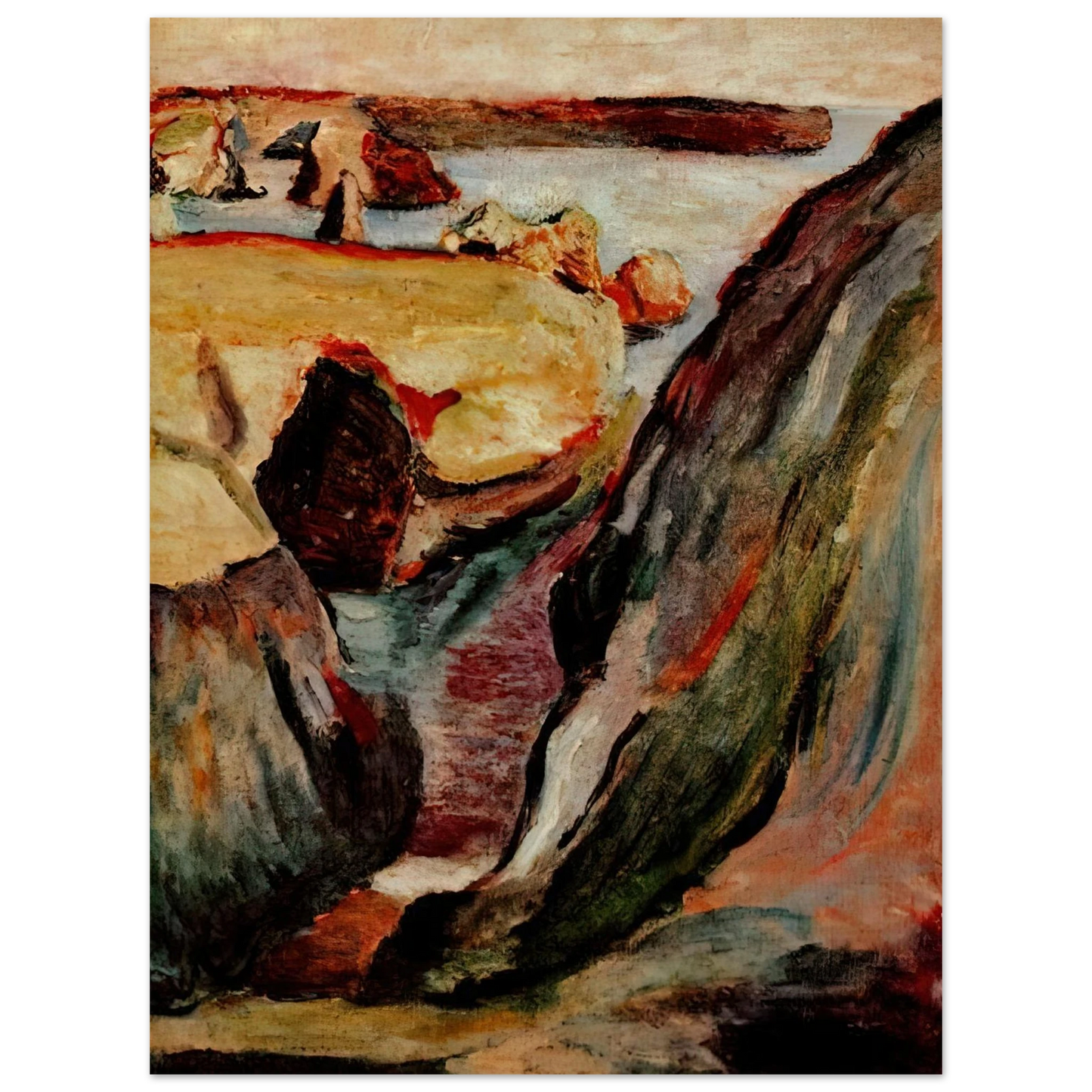
Henri Matisse - ROCHERS A BELLE ILE 1896 75x100 cm / 30x40inches Fine Art Poster
Henri Matisse - ROCHERS A BELLE ILE 1896 75x100 cm / 30x40inches Fine Art Poster
Couldn't load pickup availability
Henri Matisse - ROCHERS A BELLE ILE 1896: A Masterpiece of Early Modernism
Immerse yourself in the raw, expressive beauty of Henri Matisse's "Rochers à Belle Île" (1896), a pivotal work from his formative years. This fine art print captures the dramatic coastal landscape of Belle-Île-en-Mer, where Matisse—influenced by Impressionism—experimented with bold brushstrokes and a vibrant palette to convey the rugged energy of the Atlantic rocks. Measuring 75x100 cm (30x40 inches), this museum-quality reproduction offers a window into the artist's evolution toward Fauvism, making it an essential piece for collectors and art enthusiasts seeking to elevate their space with historical depth.
RedKalion presents this archival masterpiece on our exclusive Master's Edition archival paper, renowned for its acid-free (pH above 7) composition that ensures longevity without yellowing. The matte, uncoated finish in a natural white hue enhances the texture and luminosity of Matisse's original strokes, while the 250 gsm (110 lb) weight and 0.29 mm (11.4 mils) thickness provide a substantial, gallery-worthy feel. Crafted from FSC-certified paper, this print combines sustainability with premium quality, reflecting our commitment to curating world-class reproductions that endure.
As a trusted curator of archival-grade art, RedKalion ensures every detail—from the on-demand printing process to the luxurious texture—meets the highest standards. This piece not only celebrates Matisse's innovative technique but also invites you to own a slice of art history, perfect for modern interiors or classic settings. Elevate your environment with a fine art poster that blends historical significance with contemporary craftsmanship.
Discover Unlimited Art Possibilities
At RedKalion, you can find virtually any artwork from any artist, available in a wide range of sizes to perfectly match your space.
If you didn’t find what you’re looking for, contact us at support@redkalion.com . We will source any artwork and produce it in any size and format you need, including art prints, posters, canvas, framed pieces, framed canvas, and more.
For dedicated art enthusiasts, we also offer handcrafted replicas of any artwork, carefully painted by highly skilled artists using traditional techniques.
For custom requests, contact us at support@redkalion.com .
What is the historical significance of "Rochers à Belle Île" by Henri Matisse?
Painted in 1896, this work marks Matisse's early exploration of Impressionist techniques during his stay on Belle-Île-en-Mer, foreshadowing his later Fauvist style with its dynamic brushwork and emotional landscape portrayal.
What are the dimensions of this fine art print?
The print measures 75x100 cm (30x40 inches), offering a substantial presence ideal for gallery-style display in homes or offices.
What type of paper is used for this museum-quality reproduction?
It's printed on Master's Edition archival paper, an acid-free, FSC-certified material with a matte finish for a luxurious texture and long-lasting color fidelity.
How does the archival paper ensure longevity?
The acid-free composition (pH above 7) prevents yellowing over time, while the 250 gsm weight and 0.29 mm thickness provide durability for a lasting fine art poster.
What is the shipping and fulfillment process for this print?
We offer on-demand printing with no minimum orders, ensuring each piece is custom-made and shipped directly to you for fresh, high-quality results.
Can you describe the finish and texture of this print?
It features a matte, uncoated finish in a natural white hue, enhancing the artwork's depth with a tactile, gallery-like feel that resists glare.
Why is Belle-Île-en-Mer important in Matisse's artistic development?
This location inspired Matisse to break from academic traditions, experimenting with light and color that later defined his revolutionary Fauvist movements.