
RedKalion
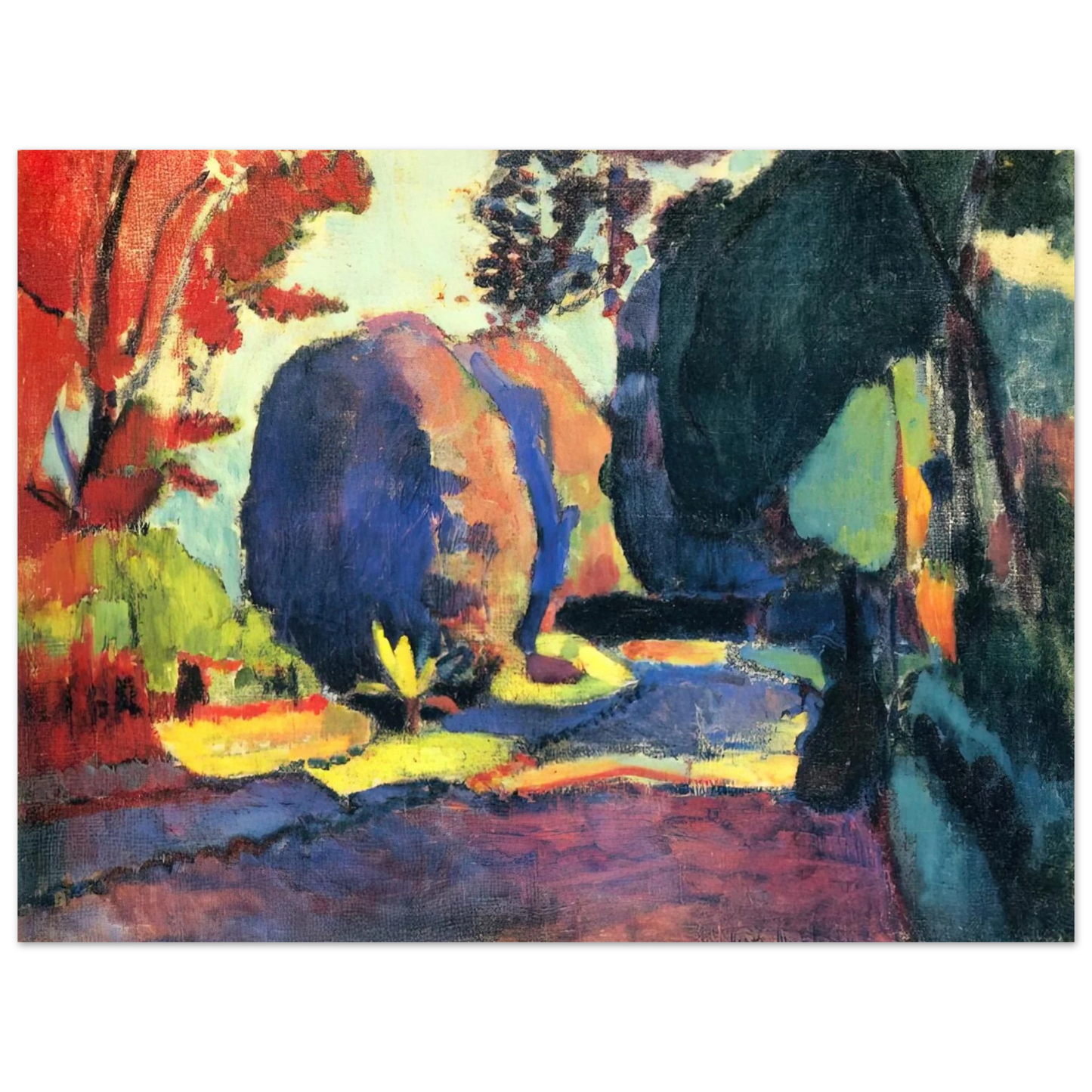
Henri Matisse - THE LUXEMBOURG GARDENS 1901 75x100 cm / 30x40inches Fine Art Poster
Henri Matisse - THE LUXEMBOURG GARDENS 1901 75x100 cm / 30x40inches Fine Art Poster
Couldn't load pickup availability
Henri Matisse - THE LUXEMBOURG GARDENS 1901: A Fauvist Masterpiece
Immerse yourself in the vibrant energy of Henri Matisse's "The Luxembourg Gardens" (1901), a seminal work from the dawn of Fauvism. This museum-quality fine art print captures the revolutionary spirit of early 20th-century painting, where Matisse liberated color from its descriptive role, using bold, expressive hues to convey the lush vitality of the Parisian park. The scene is not merely a landscape but a sensory experience—a testament to Matisse's genius in finding emotional resonance in everyday leisure.
Art Historical Significance & Expert Insight
Created just a few years before the official birth of Fauvism in 1905, this painting showcases Matisse's pivotal transition toward pure, audacious color. The dappled light and simplified forms anticipate his later explorations, making it a crucial piece for understanding modern art's evolution. At RedKalion, we curate only the most historically significant works, ensuring your collection features archival reproductions that honor the artist's original vision and technique.
Premium Physical Specifications
This fine art poster is produced on our exclusive Master's Edition archival paper, chosen for its exceptional quality and longevity. The matte, uncoated finish in a natural white hue provides a luxurious texture that mimics the feel of original artist paper, without glare or reflection. Crafted from FSC-certified, acid-free paper (pH above 7), it resists yellowing over decades, preserving the brilliance of Matisse's palette. With a substantial 250 gsm (110 lb) weight and 0.29 mm (11.4 mils) thickness, it offers a durable, gallery-ready presence. Each print is made on demand, ensuring meticulous attention to detail and no minimum order requirements.
Elevate Your Space with Timeless Art
Transform any room with this archival masterpiece that endures. Whether for a home office, living area, or creative studio, "The Luxembourg Gardens" brings a touch of historical elegance and modernist innovation. RedKalion is your trusted source for premium reproductions, combining art historical expertise with uncompromising material quality to deliver pieces that inspire for generations.
Discover Unlimited Art Possibilities
At RedKalion, you can find virtually any artwork from any artist, available in a wide range of sizes to perfectly match your space.
If you didn’t find what you’re looking for, contact us at support@redkalion.com . We will source any artwork and produce it in any size and format you need, including art prints, posters, canvas, framed pieces, framed canvas, and more.
For dedicated art enthusiasts, we also offer handcrafted replicas of any artwork, carefully painted by highly skilled artists using traditional techniques.
For custom requests, contact us at support@redkalion.com .
What are the dimensions of this Henri Matisse fine art print?
This museum-quality reproduction measures 75x100 cm (approximately 30x40 inches), perfect for standard framing and creating a striking focal point in any interior space.
What type of paper is used for this archival print?
It is printed on Master's Edition archival paper, featuring a matte, uncoated finish in natural white for a luxurious texture that enhances the Fauvist colors and ensures long-term durability.
How does the acid-free paper prevent yellowing over time?
The acid-free paper has a pH above 7, which neutralizes acids that cause degradation, preserving the vibrant hues of this Matisse artwork and maintaining its museum-quality appearance for decades.
What is the weight and thickness of the paper for this poster?
The paper is 250 gsm (110 lb) with a thickness of 0.29 mm (11.4 mils), providing a substantial, premium feel that resists curling and is ideal for high-end framing and display.
Is this print sustainable and how is it fulfilled?
Yes, it uses FSC-certified paper for environmental responsibility. RedKalion prints and ships on demand with no minimum orders, ensuring each piece is crafted to order for optimal quality.
Why is "The Luxembourg Gardens" significant in art history?
Painted in 1901, it marks Henri Matisse's early move toward Fauvism, using bold, expressive colors to capture the vitality of Paris, making it a key piece for understanding modern art's evolution.
What details in the painting highlight Matisse's technique?
Matisse employs simplified forms and dappled light with vibrant, non-naturalistic colors, showcasing his innovative approach to conveying emotion and atmosphere through pure hue and brushwork.