
RedKalion
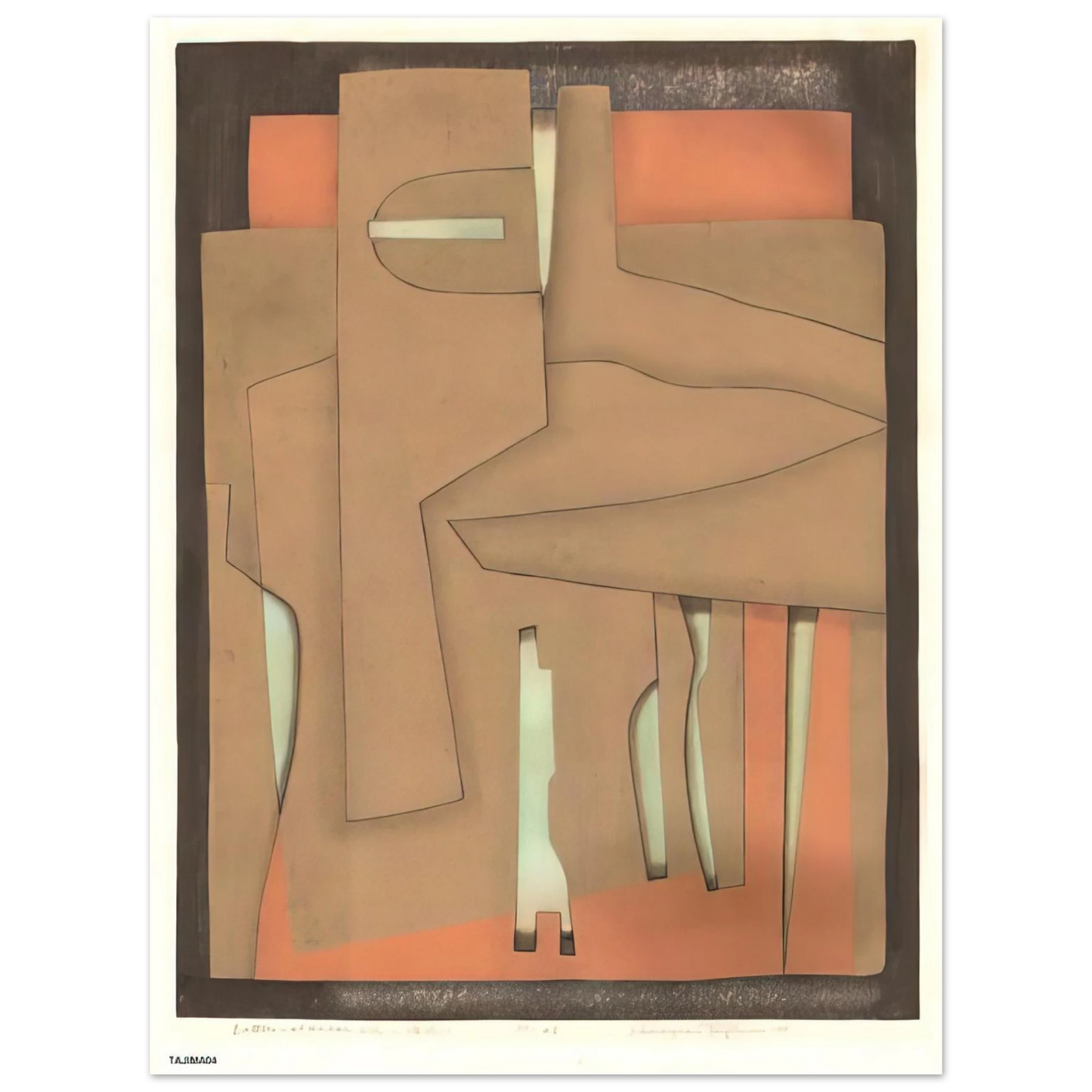
Hiroyuki Tajima - Bottles at the Bar - 1978 75x100 cm / 30x40inches Fine Art Poster
Hiroyuki Tajima - Bottles at the Bar - 1978 75x100 cm / 30x40inches Fine Art Poster
Couldn't load pickup availability
Hiroyuki Tajima - Bottles at the Bar (1978)
Immerse yourself in the sophisticated urbanity of Hiroyuki Tajima's Bottles at the Bar, a 1978 masterpiece that captures the quiet elegance of a Tokyo bar scene. This fine art print, measuring 75x100 cm (30x40 inches), showcases Tajima's masterful use of color and composition, transforming everyday objects into a study of light, reflection, and modern life. As a leading figure in Japanese printmaking, Tajima's work bridges traditional techniques with contemporary themes, making this piece a coveted addition for collectors and design enthusiasts seeking museum-quality reproductions.
RedKalion presents this archival-grade poster on our exclusive Master's Edition archival paper, ensuring every detail—from the subtle gradients of the bottles to the textured bar surface—is rendered with precision. The matte, uncoated finish and natural white (off-white) hue provide a luxurious, gallery-worthy texture that enhances the artwork's depth without glare. Crafted from acid-free, FSC-certified paper with a weight of 250 gsm (110 lb) and thickness of 0.29 mm (11.4 mils), this print is designed to resist yellowing and endure for generations, reflecting our commitment to sustainability and preservation.
Elevate your space with a piece that combines historical significance with archival excellence. Printed and shipped on demand with no minimum orders, RedKalion offers a seamless experience for acquiring world-class art that inspires and endures.
Discover Unlimited Art Possibilities
At RedKalion, you can find virtually any artwork from any artist, available in a wide range of sizes to perfectly match your space.
If you didn’t find what you’re looking for, contact us at support@redkalion.com . We will source any artwork and produce it in any size and format you need, including art prints, posters, canvas, framed pieces, framed canvas, and more.
For dedicated art enthusiasts, we also offer handcrafted replicas of any artwork, carefully painted by highly skilled artists using traditional techniques.
For custom requests, contact us at support@redkalion.com .
What are the dimensions of this Hiroyuki Tajima fine art print?
This museum-quality reproduction measures 75x100 cm (30x40 inches), perfect for creating a focal point in any room with its detailed urban scene.
What type of paper is used for this archival poster?
It's printed on Master's Edition archival paper, featuring a matte, uncoated finish and natural white hue for a luxurious texture that enhances the artwork's depth.
How does the acid-free paper ensure longevity for this art print?
The acid-free paper has a pH above 7, preventing yellowing over time and ensuring this fine art print remains vibrant for generations as a durable reproduction.
What are the weight and thickness specifications of this poster?
With a weight of 250 gsm (110 lb) and thickness of 0.29 mm (11.4 mils), this high-quality paper offers durability and a premium feel for your art collection.
Is this print sustainably produced and how is it shipped?
Yes, it uses FSC-certified paper and is printed and shipped on demand with no minimum orders, making it an eco-friendly choice for art lovers.
What artistic techniques did Hiroyuki Tajima use in Bottles at the Bar?
Tajima employed traditional Japanese printmaking methods with modern color layering, creating dynamic reflections and textures that capture Tokyo's nightlife essence in 1978.
Why is Bottles at the Bar significant in Tajima's body of work?
This piece highlights Tajima's shift to urban themes, blending everyday objects with sophisticated composition to explore light and modernity in post-war Japan.