
RedKalion
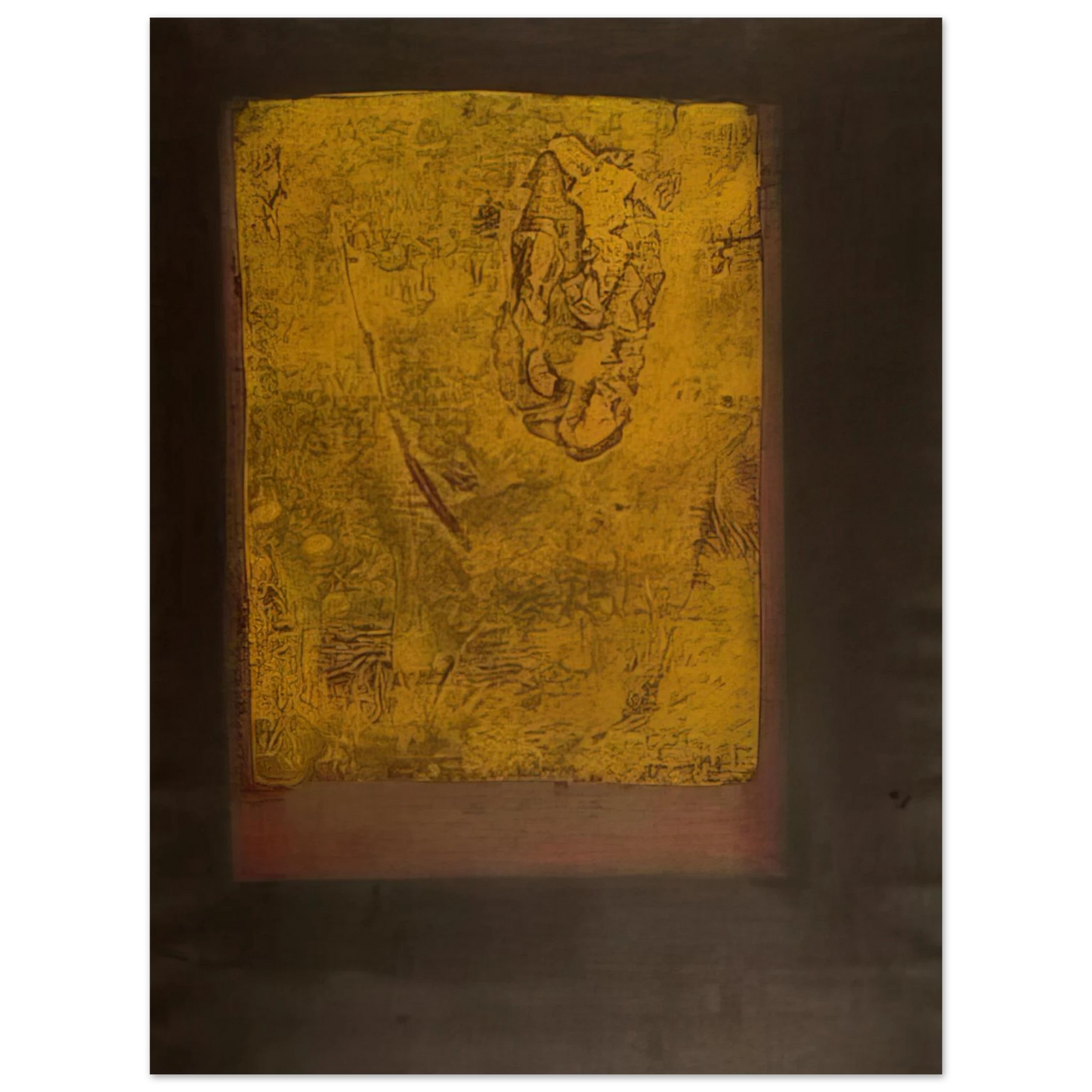
Hiroyuki Tajima - Evidence A - 1963 75x100 cm / 30x40inches Fine Art Poster
Hiroyuki Tajima - Evidence A - 1963 75x100 cm / 30x40inches Fine Art Poster
Couldn't load pickup availability
Hiroyuki Tajima - Evidence A (1963) - Museum-Quality Fine Art Print
Immerse yourself in the bold, geometric abstraction of Hiroyuki Tajima's "Evidence A", a seminal 1963 work that captures the innovative spirit of post-war Japanese printmaking. This fine art poster reproduction, sized at 75x100 cm (30x40 inches), brings the artist's masterful use of form and color into your space with archival precision.
Created during Japan's artistic renaissance of the 1960s, Tajima—a key figure in the Sōsaku-hanga (Creative Print) movement—pioneered techniques that blended traditional woodblock methods with modernist abstraction. "Evidence A" exemplifies his exploration of dynamic compositions and subtle tonal variations, evoking a sense of structured mystery and intellectual depth. Its clean lines and balanced asymmetry make it a timeless addition to contemporary interiors, offices, or galleries.
RedKalion presents this museum-quality reproduction on our exclusive Master's Edition archival paper, ensuring every detail of Tajima's original vision is preserved. The matte, uncoated finish in a natural white hue enhances the artwork's texture and luminosity, while the acid-free composition (pH above 7) guarantees it resists yellowing for generations. Crafted from FSC-certified paper with a substantial 250 gsm weight (110 lb) and 0.29 mm thickness (11.4 mils), this print offers a luxurious, durable feel that honors both art and environment.
Elevate your collection with a piece that bridges historical significance and modern aesthetics. RedKalion's on-demand printing ensures no minimum orders, delivering a premium fine art print that arrives ready to inspire.
Discover Unlimited Art Possibilities
At RedKalion, you can find virtually any artwork from any artist, available in a wide range of sizes to perfectly match your space.
If you didn’t find what you’re looking for, contact us at support@redkalion.com . We will source any artwork and produce it in any size and format you need, including art prints, posters, canvas, framed pieces, framed canvas, and more.
For dedicated art enthusiasts, we also offer handcrafted replicas of any artwork, carefully painted by highly skilled artists using traditional techniques.
For custom requests, contact us at support@redkalion.com .
What are the dimensions and details of this Hiroyuki Tajima print?
This fine art poster measures 75x100 cm (30x40 inches) and reproduces Hiroyuki Tajima's 1963 abstract work "Evidence A," capturing its geometric forms and post-war Japanese artistry.
What type of paper is used for this museum-quality reproduction?
It's printed on Master's Edition archival paper, a museum-quality, acid-free material with a matte, uncoated finish in natural white for optimal color fidelity and texture.
How durable and long-lasting is this fine art print?
With acid-free properties (pH above 7) and 250 gsm weight, this archival print resists yellowing and damage, ensuring longevity for decades in your collection.
What is the shipping and fulfillment process for this artwork?
We offer on-demand printing with no minimum orders; each print is custom-made and shipped directly to you, ensuring fresh, high-quality delivery.
Is the paper sustainable and what is its thickness?
Yes, it uses FSC-certified paper with a thickness of 0.29 mm (11.4 mils) and 250 gsm weight, combining eco-friendliness with a premium, sturdy feel.
Who was Hiroyuki Tajima and why is "Evidence A" significant?
Hiroyuki Tajima was a leading figure in Japan's Sōsaku-hanga movement; "Evidence A" from 1963 showcases his innovative abstract style, blending traditional techniques with modernist ideas.
What artistic techniques define "Evidence A" from 1963?
This work features geometric abstraction with dynamic compositions and subtle color variations, reflecting Tajima's mastery of woodblock printmaking and post-war artistic experimentation.