RedKalion
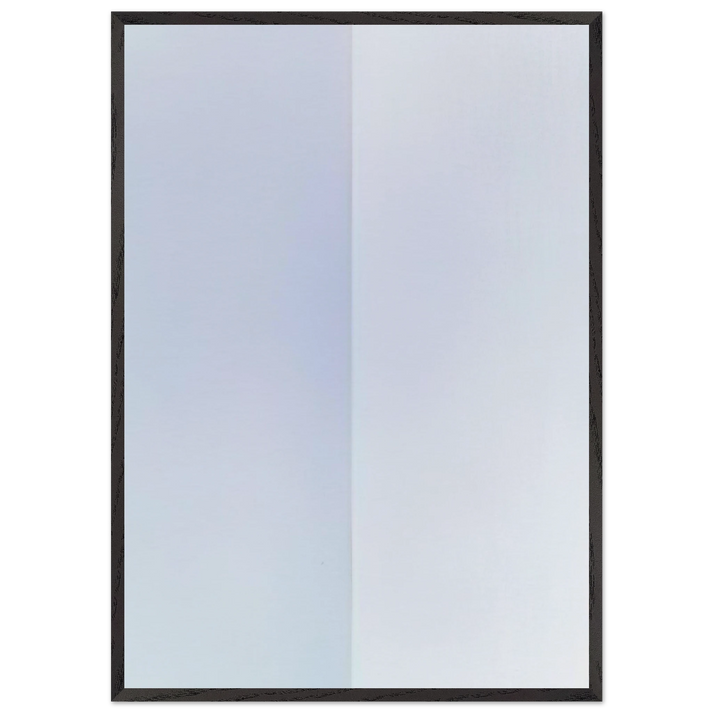
Homage to Newman II - 1979 - Gene Davis 70x100 cm / 28x40 inches Framed Art Print – Black Wooden Frame
Homage to Newman II - 1979 - Gene Davis 70x100 cm / 28x40 inches Framed Art Print – Black Wooden Frame
Couldn't load pickup availability
Homage to Newman II (1979) by Gene Davis: A Striking Color Field Masterpiece
RedKalion presents a museum-quality framed art print of Gene Davis's "Homage to Newman II" (1979), a vibrant tribute to the Color Field movement. This archival reproduction captures the bold, rhythmic vertical stripes that define Davis's iconic style, evoking a sense of dynamic energy and modern sophistication. Measuring 70x100 cm / 28x40 inches, it arrives ready-to-hang with a sleek black wooden frame, making it an effortless addition to contemporary interiors.
Art Historical Insight: Precision and Rhythm in Color
Gene Davis (1920–1985), a key figure in the Washington Color School, pioneered the use of hard-edged stripes to explore optical effects and color relationships. "Homage to Newman II" reflects his deep admiration for Barnett Newman's "zip" paintings, but Davis infuses it with his own rhythmic precision—each stripe is meticulously applied to create a pulsating visual tempo. This 1979 work exemplifies his mastery in using color as a structural element, transforming simple forms into complex emotional experiences.
Premium Craftsmanship for Lasting Impact
Elevate your space with this archival masterpiece that endures. Our print is produced on 250 gsm (110 lb) matte, uncoated, natural white paper with a thickness of 0.29 mm (11.4 mils), ensuring a luxurious, gallery-grade finish. It's framed in responsibly sourced oak and ash wood, featuring a substantial 20mm (0.79") thick and wide profile for a bold, modern presence. The shatterproof plexiglass offers superior protection against damage, while the FSC-certified sustainable paper aligns with eco-conscious values. Every detail, from the crisp color reproduction to the included hanging kit, is designed for discerning collectors seeking fine art prints that inspire.

Discover Unlimited Art Possibilities
At RedKalion, you can find virtually any artwork from any artist, available in a wide range of sizes to perfectly match your space.
If you didn’t find what you’re looking for, contact us at support@redkalion.com . We will source any artwork and produce it in any size and format you need, including art prints, posters, canvas, framed pieces, framed canvas, and more.
For dedicated art enthusiasts, we also offer handcrafted replicas of any artwork, carefully painted by highly skilled artists using traditional techniques.
For custom requests, contact us at support@redkalion.com .
What are the dimensions and framing details of this Gene Davis print?
This framed art print measures 70x100 cm / 28x40 inches, featuring a black wooden frame made from responsibly sourced oak and ash wood, 20mm (0.79") thick and wide for a modern look, and includes a hanging kit for easy installation.
What type of paper is used for this museum-quality reproduction?
It's printed on 250 gsm (110 lb) matte, uncoated, natural white archival museum-quality paper with a thickness of 0.29 mm (11.4 mils), using FSC-certified sustainable materials for durability and eco-friendliness.
How is the print protected in the frame?
The print is safeguarded with shatterproof plexiglass, offering superior protection against impacts and UV damage while maintaining clarity for this fine art Color Field masterpiece.
Is this artwork ready to hang upon delivery?
Yes, this framed art print comes ready-to-hang with a pre-installed hanging kit, allowing you to display Gene Davis's Homage to Newman II immediately in your home or office.
What makes this reproduction archival and long-lasting?
Using archival museum-quality paper and sustainable FSC-certified materials ensures this Color Field print resists fading and degradation, preserving its vibrant stripes for generations.
What is the historical significance of Homage to Newman II by Gene Davis?
Created in 1979, this work pays tribute to Barnett Newman, showcasing Davis's rhythmic vertical stripes that define the Washington Color School and explore optical color relationships in modern art.
How does Gene Davis's technique differ in this homage piece?
Davis applies hard-edged stripes with meticulous precision, creating a pulsating visual tempo that builds on Newman's "zip" paintings, emphasizing color as a structural and emotional element.