

RedKalion
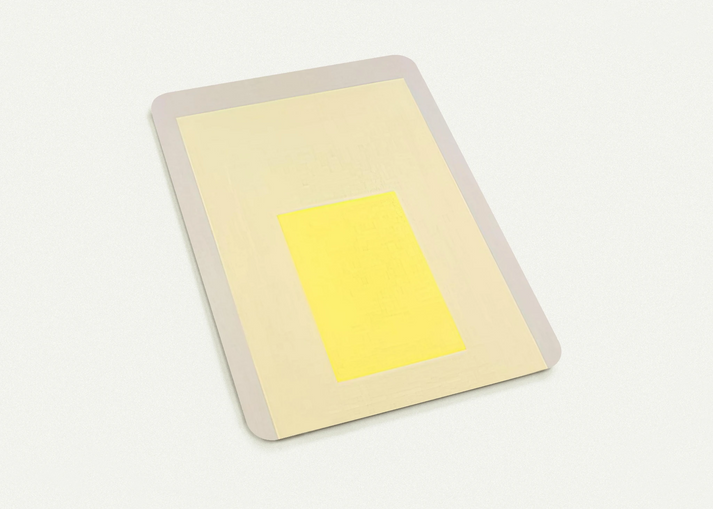
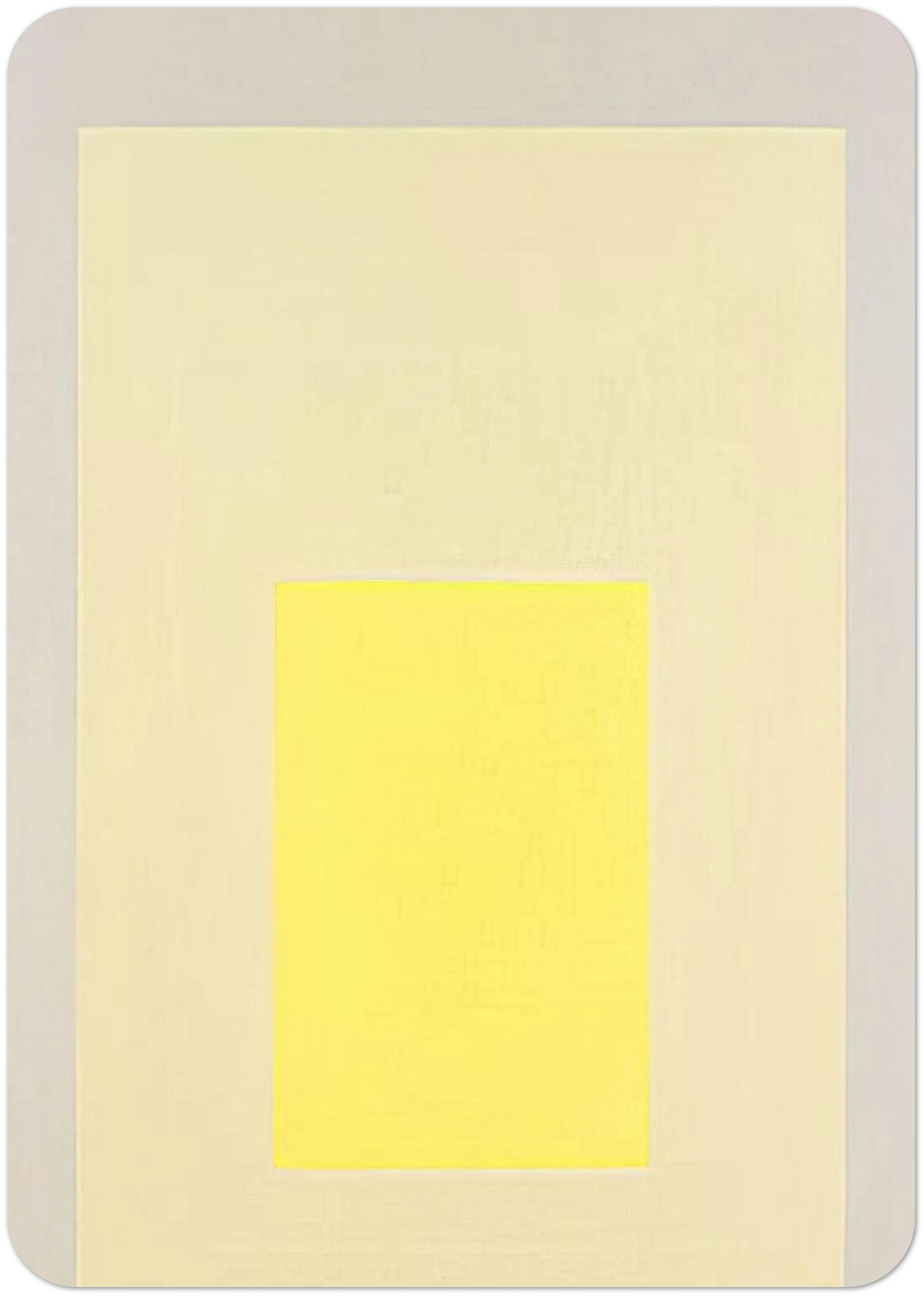
HOMAGE TO THE SQUARE AMALGAMATING 1971 By Josef Albers Pack of 10 Post Cards | Josef Albers Post Cards | A6 (10.5 x 14.8 cm) - 4.1 x 5.8 inches
HOMAGE TO THE SQUARE AMALGAMATING 1971 By Josef Albers Pack of 10 Post Cards | Josef Albers Post Cards | A6 (10.5 x 14.8 cm) - 4.1 x 5.8 inches
Couldn't load pickup availability
HOMAGE TO THE SQUARE AMALGAMATING 1971 By Josef Albers: A Pack of 10 Museum-Quality Post Cards
Immerse yourself in the iconic geometric abstraction of Josef Albers with this exclusive pack of 10 fine art post cards. "Homage to the Square Amalgamating 1971" represents a pinnacle of Albers' lifelong exploration of color interaction and spatial perception. Each post card in this collection captures the precise, meditative arrangement of nested squares that defined his revolutionary series, offering a portable masterpiece for art enthusiasts and collectors alike.
As a leading figure of the Bauhaus and Black Mountain College, Albers developed his Homage to the Square series over 25 years, using it to demonstrate how colors shift in appearance based on their context. This 1971 work exemplifies his mastery of optical effects and chromatic harmony, inviting viewers to experience the subtle vibrations and emotional resonance of carefully curated hues. RedKalion presents this archival-grade reproduction, ensuring that every detail—from the crisp edges to the nuanced color gradients—reflects Albers' original intent.
Crafted with our proprietary 12-color fine art printing technology, these post cards deliver vivid, accurate colors with stunning depth, far surpassing standard 4-color inkjet prints. Printed on demand with no minimum orders, each card features a smooth matte finish for a clean, glare-free display, ideal for handling or framing. The 200 gsm (80 lb) FSC-certified paper provides a durable, eco-friendly base with a thickness of 0.26 mm (10.3 mils), making these A6-sized cards (10.5 x 14.8 cm or 4.1 x 5.8 inches) perfect for gifting, correspondence, or as miniature art pieces.
Elevate your everyday moments with this pack of 10 post cards, a testament to Albers' enduring influence on modern art. RedKalion's commitment to museum-quality reproductions ensures that you receive a product that honors both artistic heritage and sustainable craftsmanship.


Discover Unlimited Art Possibilities
At RedKalion, you can find virtually any artwork from any artist, available in a wide range of sizes to perfectly match your space.
If you didn’t find what you’re looking for, contact us at support@redkalion.com . We will source any artwork and produce it in any size and format you need, including art prints, posters, canvas, framed pieces, framed canvas, and more.
For dedicated art enthusiasts, we also offer handcrafted replicas of any artwork, carefully painted by highly skilled artists using traditional techniques.
For custom requests, contact us at support@redkalion.com .
What is the significance of Josef Albers' "Homage to the Square Amalgamating 1971"?
This artwork is part of Albers' iconic series exploring color interaction and optical effects, showcasing his mastery of geometric abstraction and chromatic theory from the Bauhaus era.
What are the specifications of these Josef Albers post cards?
Each pack includes 10 A6 post cards (10.5 x 14.8 cm or 4.1 x 5.8 inches) with a smooth matte finish, 200 gsm (80 lb) FSC-certified paper, and 0.26 mm thickness, printed using 12-color fine art technology.
How does the printing technology ensure color accuracy for these fine art post cards?
Our 12-color fine art printing delivers vivid, accurate colors with stunning depth, surpassing standard 4-color inkjet prints to match Albers' original chromatic precision.
Are these Josef Albers post cards eco-friendly and available in custom sizes?
Yes, they are printed on environmentally conscious FSC-certified paper and offered in various sizes, with printed-on-demand availability and no minimum orders.
What makes these post cards suitable for gifting or display as miniature art pieces?
The durable 200 gsm paper and glare-free matte finish make them ideal for handling, framing, or correspondence, capturing Albers' geometric abstraction in a portable format.
How did Josef Albers' background influence the "Homage to the Square" series?
Influenced by Bauhaus principles, Albers used this series to study color perception, focusing on how adjacent hues affect each other in nested square compositions.
What is the historical context of Albers' work from 1971 in this series?
Created late in his career, this piece reflects decades of experimentation, emphasizing the amalgamation of colors to evoke emotional and optical resonance in geometric abstraction.