RedKalion
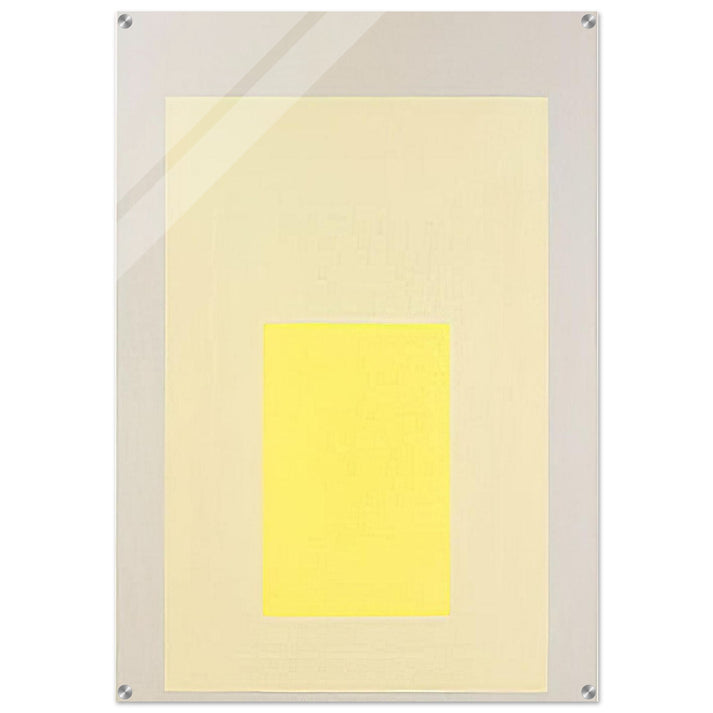
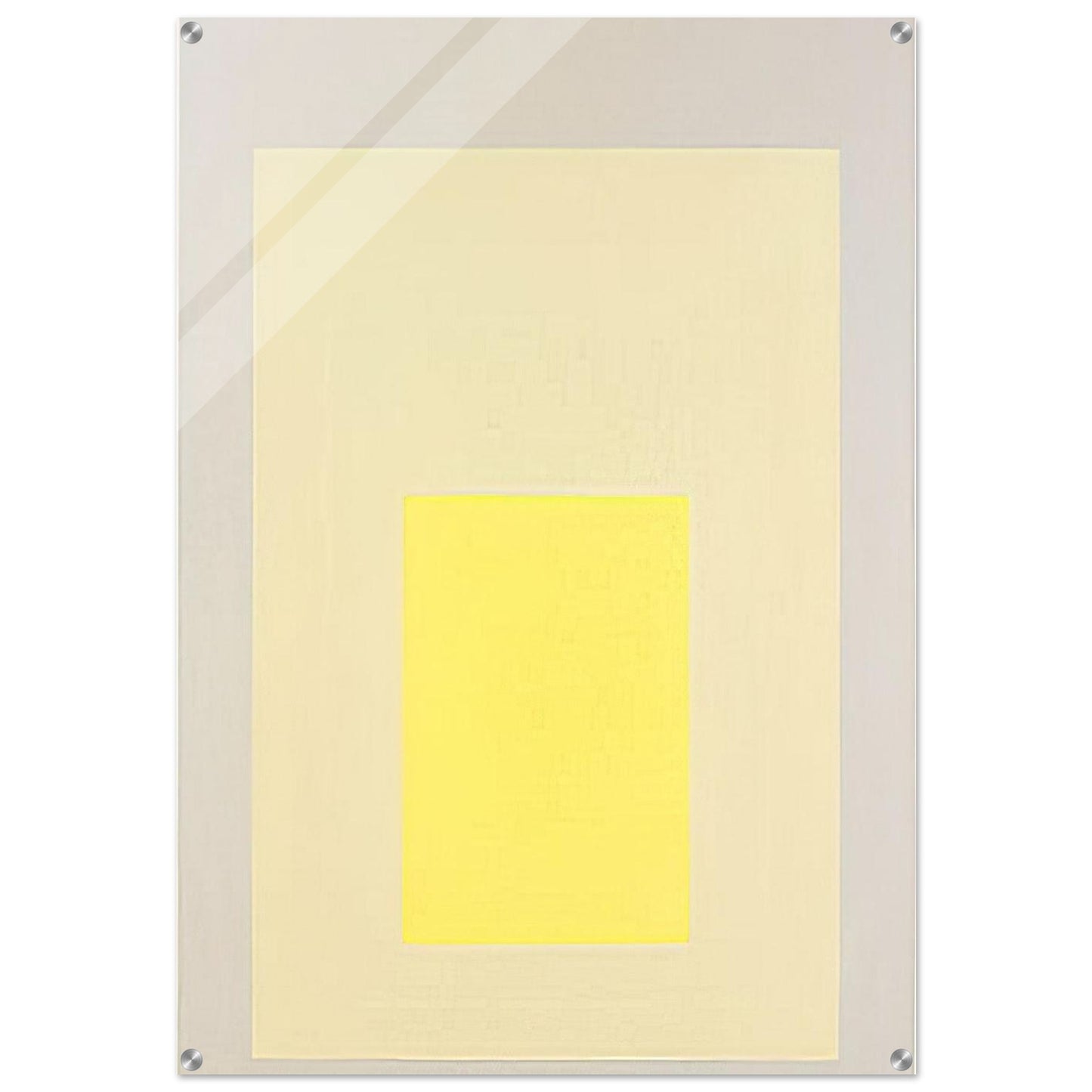
HOMAGE TO THE SQUARE AMALGAMATING 1971 - Josef Albers Acrylic Print - 70x100 cm / 28x40″ inches
HOMAGE TO THE SQUARE AMALGAMATING 1971 - Josef Albers Acrylic Print - 70x100 cm / 28x40″ inches
Couldn't load pickup availability
Homage to the Square: Amalgamating (1971) by Josef Albers
Immerse yourself in the geometric purity of Josef Albers' Homage to the Square: Amalgamating (1971), a seminal work from his iconic series exploring color interaction. This museum-quality acrylic print captures every nuanced hue and precise line of Albers' original composition, where nested squares create a mesmerizing optical dialogue. Albers, a Bauhaus master, dedicated decades to studying how colors influence one another—here, the amalgamation of tones demonstrates his theory that color is "the most relative medium in art." Our premium reproduction ensures the vibrant acrylic pigments and meticulous geometry are preserved with archival fidelity.
This fine art print is crafted on 4mm (0.15") acrylic, offering a sleek, durable finish that enhances color vibrancy and resists fading. With straight-cut corners for a modern aesthetic and transparent backgrounds rendered in white for optimal display, it arrives ready to elevate any contemporary space. The included hanging kit features hardware, screws, and pre-drilled holes at each corner (14mm/0.55" from the edge, with 8mm/0.31" diameter holes and 15mm/0.6" screw heads) for effortless installation. Measuring 70x100 cm (28x40" inches), this piece commands attention as a timeless archival masterpiece that bridges mid-century innovation with today's design sensibilities.
- Artist: Josef Albers (1888–1976), influential Bauhaus teacher and color theorist.
- Series: Part of the "Homage to the Square" series, begun in 1950 and spanning over 1,000 works.
- Year: 1971, reflecting Albers' late-career mastery of color relationships.
- Print Type: Acrylic print on 4mm (0.15") material for vibrant, long-lasting display.
- Dimensions: 70x100 cm / 28x40" inches, ideal for statement walls or curated collections.
- Included: Hanging kit with all necessary hardware for secure mounting.
At RedKalion, we specialize in archival-grade reproductions that honor artistic legacy. This print undergoes rigorous quality checks to ensure it meets gallery standards, allowing you to own a piece of art history that inspires daily contemplation. Elevate your home or office with a work that embodies precision, color theory, and modernist elegance—a testament to Albers' enduring influence on 20th-century art.
Discover Unlimited Art Possibilities
At RedKalion, you can find virtually any artwork from any artist, available in a wide range of sizes to perfectly match your space.
If you didn’t find what you’re looking for, contact us at support@redkalion.com . We will source any artwork and produce it in any size and format you need, including art prints, posters, canvas, framed pieces, framed canvas, and more.
For dedicated art enthusiasts, we also offer handcrafted replicas of any artwork, carefully painted by highly skilled artists using traditional techniques.
For custom requests, contact us at support@redkalion.com .
What is the significance of Josef Albers' Homage to the Square: Amalgamating (1971)?
This artwork is a key piece from Albers' iconic series exploring color interaction, demonstrating his theory that colors change based on context, and it reflects his Bauhaus heritage and late-career mastery of geometric abstraction.
What are the specifications of this acrylic print?
It measures 70x100 cm (28x40" inches), uses 4mm (0.15") acrylic for vibrant durability, has straight-cut corners for a modern look, and includes a hanging kit with pre-drilled holes for easy installation.
How is the hanging kit designed for this fine art print?
The kit includes hardware, screws, and screw holes at each corner (14mm/0.55" from the edge, with 8mm/0.31" diameter holes and 15mm/0.6" screw heads) for secure, gallery-style mounting.
What is the archival quality of this museum-quality reproduction?
Made with premium acrylic and archival materials, it resists fading and damage, ensuring long-lasting vibrancy and durability as a timeless art piece.
How does RedKalion ensure shipping safety for this artwork?
We use protective packaging and reliable carriers to deliver your print securely, with tracking provided for peace of mind during transit.
Why did Josef Albers focus on squares in his Homage series?
Albers used squares to eliminate compositional distractions, allowing pure focus on color relationships and perceptual effects, which he studied for over 25 years.
How does the 1971 date relate to Albers' artistic evolution?
Created late in his career, this work showcases his refined understanding of color theory, building on decades of experimentation since the series began in 1950.