RedKalion
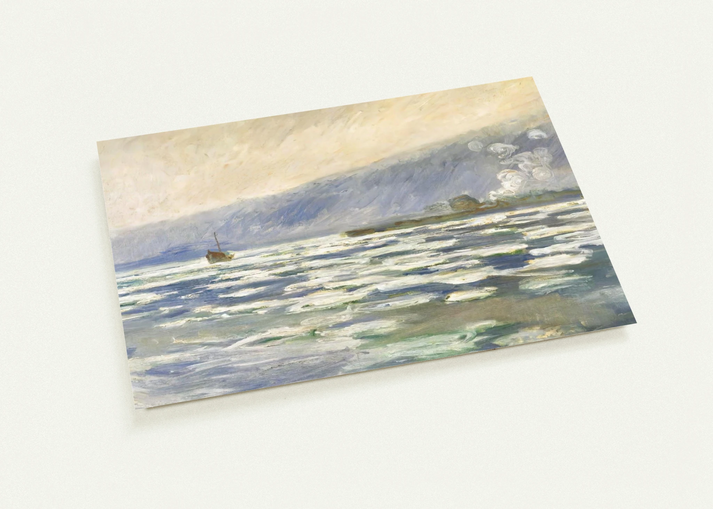
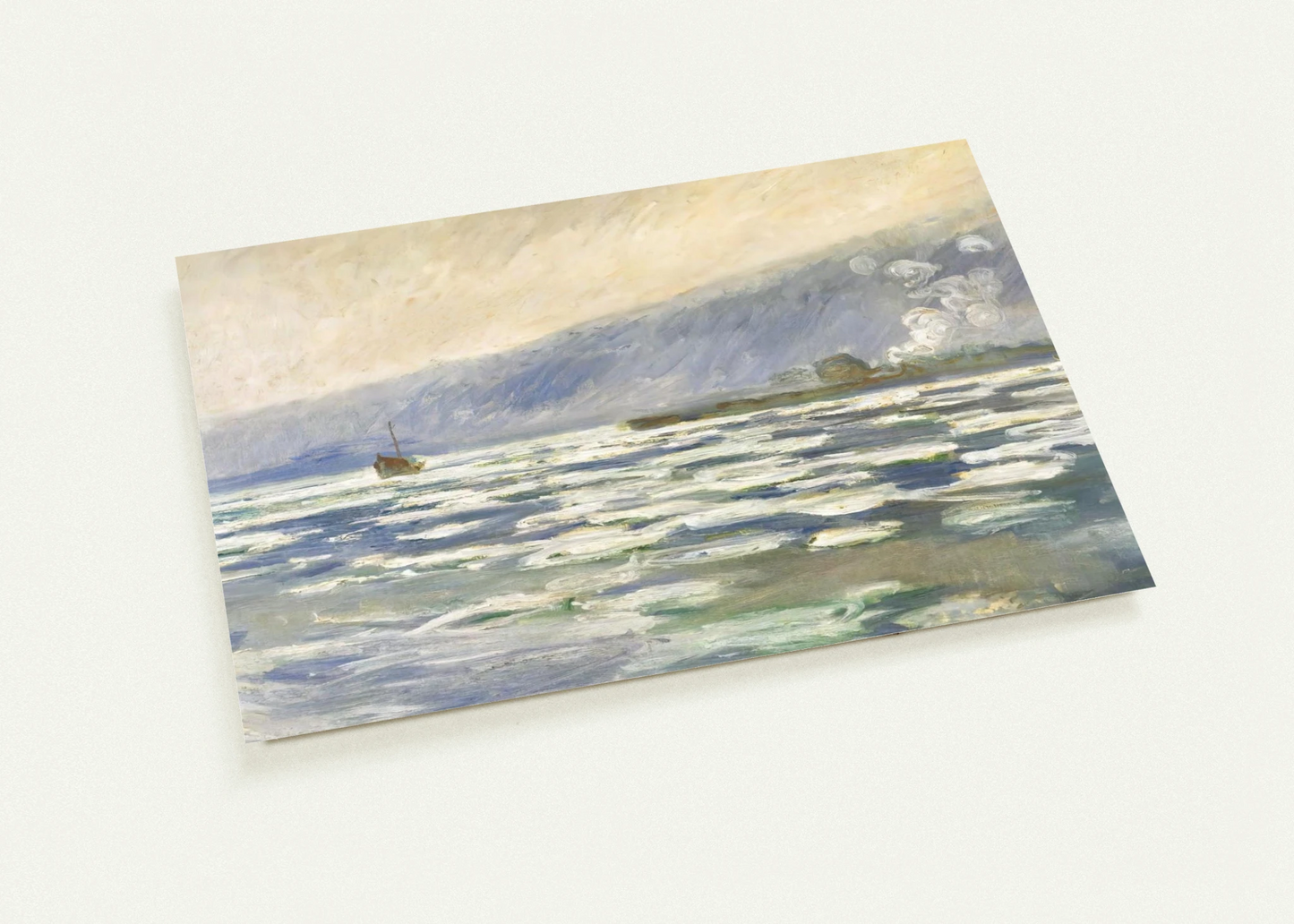
Ice, Lock Port Villez By claude monet Pack of 10 Post Cards | claude monet Post Cards | A6 (10.5 x 14.8 cm) - 4.1 x 5.8 inches
Ice, Lock Port Villez By claude monet Pack of 10 Post Cards | claude monet Post Cards | A6 (10.5 x 14.8 cm) - 4.1 x 5.8 inches
Couldn't load pickup availability
Claude Monet's "Ice, Lock Port Villez" Postcard Collection
Share the timeless beauty of Impressionism with this exclusive pack of 10 postcards featuring Claude Monet's enchanting winter scene, "Ice, Lock Port Villez". This collection captures the artist's masterful depiction of light and atmosphere, making it perfect for art lovers seeking museum-quality reproductions in a versatile format.
Monet's 1894 painting showcases his revolutionary approach to capturing fleeting moments in nature. The frozen lock at Port-Villez, near his home in Giverny, is rendered with delicate brushstrokes that convey the crisp chill of winter and the subtle interplay of light on ice and water. This work exemplifies the Impressionist movement's focus on sensory experience and atmospheric effects.
Premium Postcard Specifications
- Pack of 10 Flat Postcards: Create one-of-a-kind sentiments for any occasion, from personal correspondence to unique art displays.
- Superior Color Reproduction: Our 12-color fine art printing technology delivers vivid, accurate colors with stunning depth, far surpassing standard 4-color inkjet printing.
- Archival-Quality Materials: Printed on 200 gsm (80 lb) FSC-certified paper with a smooth matte finish for a clean, glare-free display and lasting durability.
- Convenient Size: Each postcard measures A6 (10.5 x 14.8 cm / 4.1 x 5.8 inches), ideal for mailing or framing.
- Eco-Conscious Production: Made with environmentally responsible materials and printed on demand with no minimum orders.
RedKalion is proud to offer this meticulously crafted reproduction, allowing you to share Monet's winter masterpiece with friends, family, or as a curated addition to your own collection. Elevate your correspondence with archival-grade art that endures.
Discover Unlimited Art Possibilities
At RedKalion, you can find virtually any artwork from any artist, available in a wide range of sizes to perfectly match your space.
If you didn’t find what you’re looking for, contact us at support@redkalion.com . We will source any artwork and produce it in any size and format you need, including art prints, posters, canvas, framed pieces, framed canvas, and more.
For dedicated art enthusiasts, we also offer handcrafted replicas of any artwork, carefully painted by highly skilled artists using traditional techniques.
For custom requests, contact us at support@redkalion.com .
What is the subject of Claude Monet's "Ice, Lock Port Villez"?
This 1894 Impressionist painting depicts a frozen lock at Port-Villez near Giverny, showcasing Monet's mastery of light and winter atmosphere in a serene landscape scene.
What are the specifications of these fine art postcards?
Each pack contains 10 flat A6 postcards (10.5x14.8cm) printed with 12-color technology on 200gsm FSC-certified matte paper, offering museum-quality reproduction for lasting vibrancy.
How does the printing technology ensure color accuracy?
Our 12-color fine art printing delivers superior depth and vivid hues compared to standard inkjet, accurately capturing Monet's original winter palette and Impressionist brushwork.
Are these postcards suitable for mailing internationally?
Yes, the A6 size and 200gsm weight meet standard postal requirements, making them perfect for global correspondence with archival-quality Claude Monet art.
How long will the colors and paper last?
Using archival-grade inks and FSC-certified 200gsm paper, these postcards resist fading and deterioration, preserving Monet's winter scene for years.
Why did Monet paint winter scenes like this one?
Monet was fascinated by changing light conditions; winter allowed him to explore subtle color variations in snow and ice, advancing Impressionist techniques.
What makes Port-Villez significant in Monet's work?
Located near his Giverny home, Port-Villez provided accessible rural subjects where Monet could study water and light effects across seasons repeatedly.