RedKalion
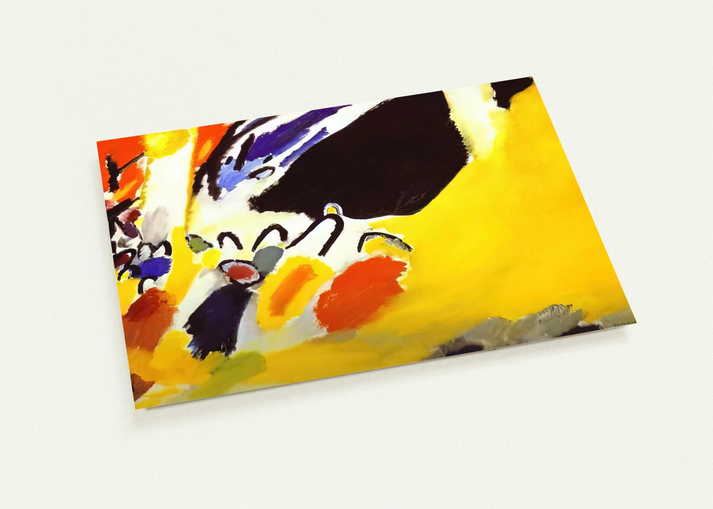
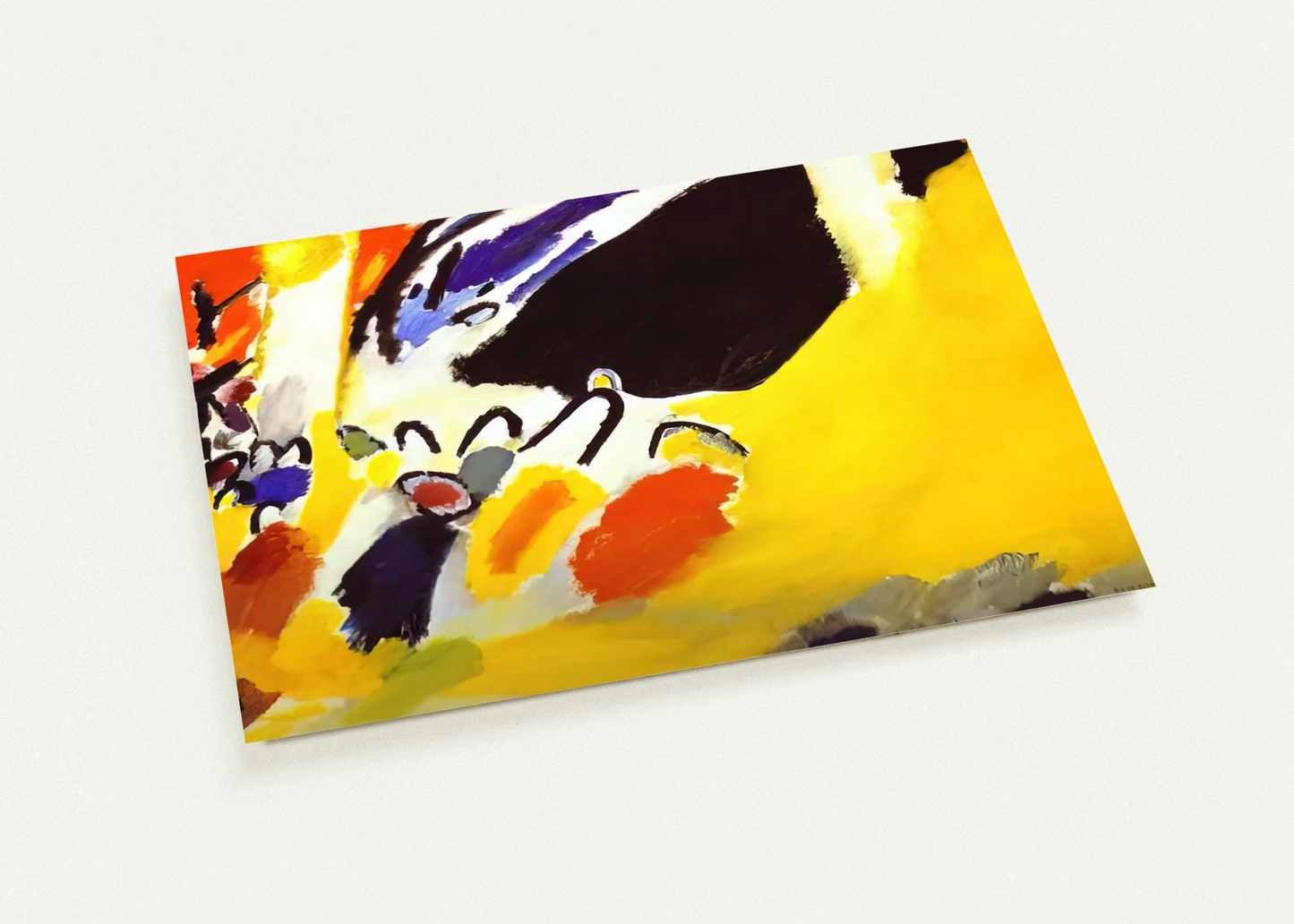
IMPRESSION III CONCERT 1911 By Wassily Kandinsky Pack of 10 Post Cards | Wassily Kandinsky Post Cards | A6 (10.5 x 14.8 cm) - 4.1 x 5.8 inches
IMPRESSION III CONCERT 1911 By Wassily Kandinsky Pack of 10 Post Cards | Wassily Kandinsky Post Cards | A6 (10.5 x 14.8 cm) - 4.1 x 5.8 inches
Couldn't load pickup availability
IMPRESSION III (CONCERT) 1911 By Wassily Kandinsky: Pack of 10 Post Cards
Experience the revolutionary energy of Wassily Kandinsky's IMPRESSION III (CONCERT) 1911 with this exclusive pack of 10 museum-quality post cards from RedKalion. As a pioneering work from Kandinsky's early abstract period, this piece captures the dynamic interplay of color and form that would define modern art. Our archival-grade reproduction ensures every vibrant hue and expressive brushstroke is preserved with stunning accuracy, making each post card a miniature masterpiece perfect for sharing art with loved ones or displaying in creative arrangements.
RedKalion's fine art prints are crafted using 12-color professional printing technology, delivering vivid, depth-rich colors that far surpass standard 4-color methods. Each post card measures A6 (10.5 x 14.8 cm / 4.1 x 5.8 inches) and features a smooth matte finish on 200 gsm (80 lb) FSC-certified paper, ensuring an eco-friendly, glare-free display. Printed on demand with no minimum orders, this pack offers unparalleled flexibility for art enthusiasts and collectors alike.
Elevate your correspondence or decor with these archival post cards, each a testament to Kandinsky's genius and RedKalion's commitment to premium reproductions. Whether used as unique stationery, framed miniatures, or educational tools, they bring a touch of art history into everyday life.
Discover Unlimited Art Possibilities
At RedKalion, you can find virtually any artwork from any artist, available in a wide range of sizes to perfectly match your space.
If you didn’t find what you’re looking for, contact us at support@redkalion.com . We will source any artwork and produce it in any size and format you need, including art prints, posters, canvas, framed pieces, framed canvas, and more.
For dedicated art enthusiasts, we also offer handcrafted replicas of any artwork, carefully painted by highly skilled artists using traditional techniques.
For custom requests, contact us at support@redkalion.com .
What is the historical significance of Kandinsky's IMPRESSION III (CONCERT) 1911?
Created in 1911, this work marks Kandinsky's transition toward abstraction, using color and form to evoke the emotional experience of a concert rather than realistic depiction, influencing modern art movements.
How are the colors reproduced in these Kandinsky post cards?
We use 12-color fine art printing technology for vivid, accurate colors with stunning depth, ensuring museum-quality reproduction of Kandinsky's vibrant palette on each post card.
What are the specifications of the paper used for these post cards?
Each post card features 200 gsm (80 lb) FSC-certified paper with a smooth matte finish, 0.26 mm thickness, and A6 size (10.5 x 14.8 cm), ideal for durable, eco-friendly displays.
Are these Kandinsky post cards available in other sizes?
This pack is offered in A6 size only, but RedKalion provides various sizes for other fine art prints to fit any space or framing need.
How are these post cards shipped and packaged?
We ship in protective packaging to prevent damage, with delivery times based on your location, ensuring your Kandinsky post cards arrive in pristine condition.
How long will the colors on these post cards last?
Using archival-grade inks and FSC-certified paper, these post cards resist fading for decades, making them a lasting tribute to Kandinsky's artwork.
What inspired Kandinsky's abstract style in this piece?
Kandinsky was inspired by music's emotional power, using abstract shapes and bold colors in IMPRESSION III to translate auditory sensations into visual form, pioneering expressionist art.