RedKalion
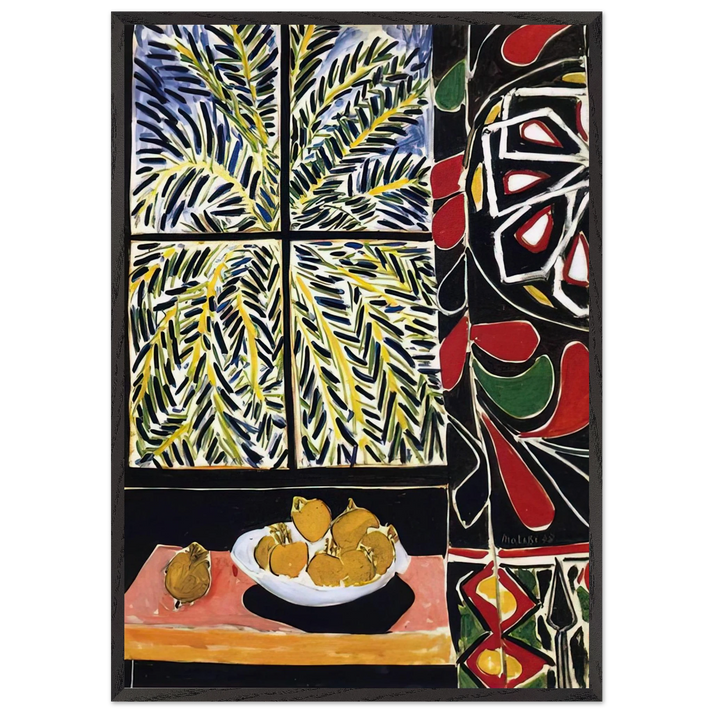
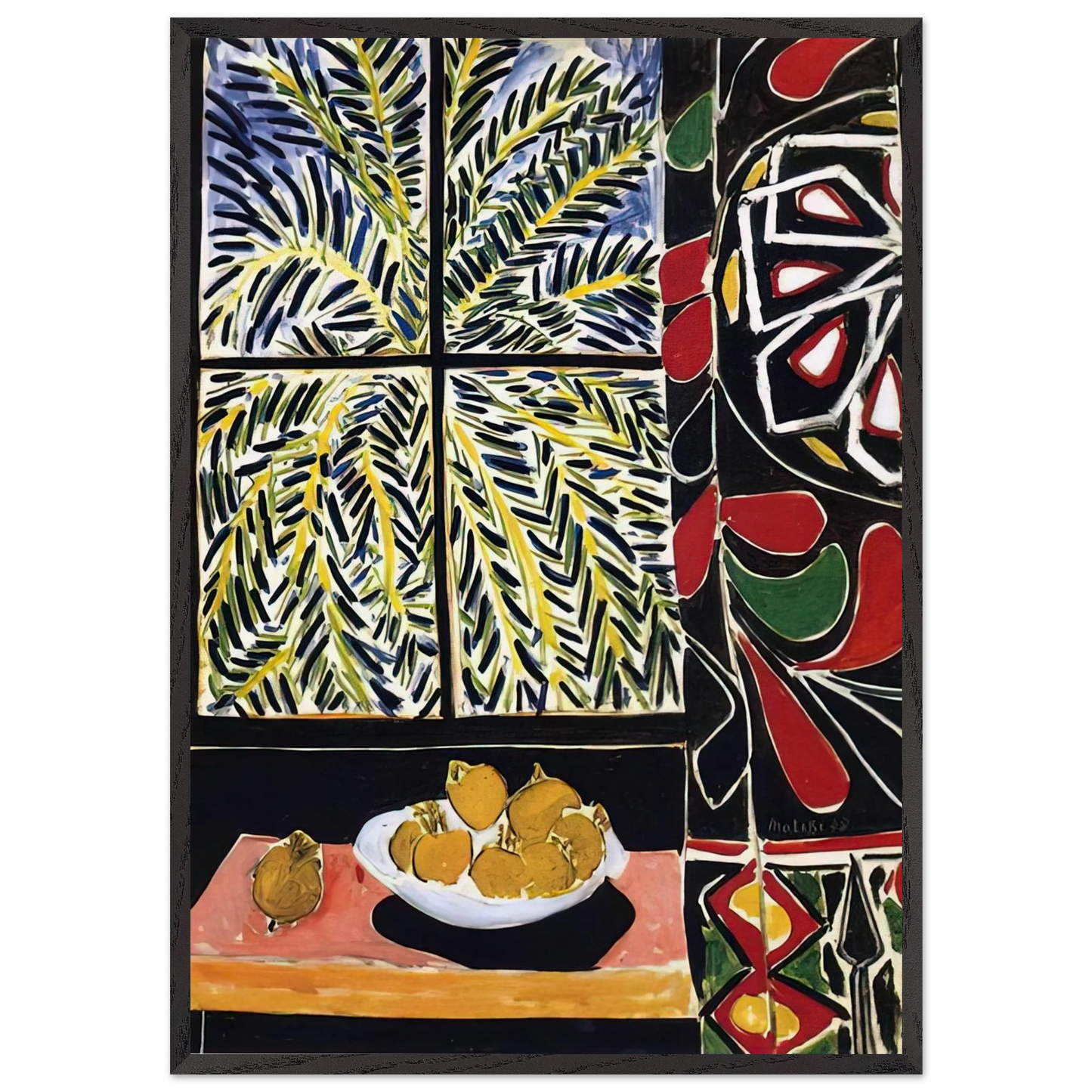
INTERIOR WITH EGYPTIAN CURTAIN 1948 - Henri Matisse 70x100 cm / 28x40 inches Framed Art Print – Black Wooden Frame
INTERIOR WITH EGYPTIAN CURTAIN 1948 - Henri Matisse 70x100 cm / 28x40 inches Framed Art Print – Black Wooden Frame
Couldn't load pickup availability
Henri Matisse's 'Interior with Egyptian Curtain 1948' – Museum-Quality Framed Art Print
Immerse your space in the vibrant, late-career brilliance of Henri Matisse with this archival-grade framed art print of 'Interior with Egyptian Curtain 1948'. This masterpiece, created during Matisse's iconic 'cut-out' period, showcases his revolutionary use of bold color and simplified forms to evoke a sense of joyful abstraction and Mediterranean light. Measuring 70x100 cm / 28x40 inches, this reproduction captures every nuanced hue and dynamic composition, offering a window into the artist's final, exuberant phase.
Expertly printed on 250 gsm (110 lb) matte, uncoated archival museum-quality paper with a natural white finish, this piece ensures longevity and true-to-original color fidelity. The print is elegantly presented in a 20mm (0.79") thick black wooden frame, crafted from responsibly sourced oak and ash wood, which provides a wider, more substantial profile than classic 14mm frames. Protected by shatterproof plexiglass, it arrives ready-to-hang with a complete hanging kit, allowing you to elevate your decor instantly with a trusted, gallery-worthy addition.
RedKalion curates only the finest reproductions, using FSC-certified sustainable materials to deliver art that endures. This framed print not only honors Matisse's legacy but transforms any room into a sophisticated sanctuary of modern art.
Discover Unlimited Art Possibilities
At RedKalion, you can find virtually any artwork from any artist, available in a wide range of sizes to perfectly match your space.
If you didn’t find what you’re looking for, contact us at support@redkalion.com . We will source any artwork and produce it in any size and format you need, including art prints, posters, canvas, framed pieces, framed canvas, and more.
For dedicated art enthusiasts, we also offer handcrafted replicas of any artwork, carefully painted by highly skilled artists using traditional techniques.
For custom requests, contact us at support@redkalion.com .
What are the dimensions and framing details of this Matisse print?
This framed art print measures 70x100 cm / 28x40 inches, featuring a 20mm (0.79") thick black wooden frame made from responsibly sourced oak and ash wood, wider than classic 14mm frames for a premium look.
What type of paper is used for this museum-quality reproduction?
It uses 250 gsm (110 lb) matte, uncoated archival museum-quality paper with a natural white finish and 0.29 mm (11.4 mils) thickness, ideal for fine art prints and ensuring long-term durability.
Is this framed print ready to hang upon delivery?
Yes, this ready-to-hang framed art print includes a complete hanging kit, so you can display it directly on your wall without additional setup.
How is the print protected within the frame?
The print is safeguarded by shatterproof plexiglass, which offers clear visibility and protection against damage, making it a secure choice for home or office.
What makes this reproduction archival and sustainable?
It uses FSC-certified sustainable materials and archival-grade paper to ensure longevity, aligning with RedKalion's commitment to eco-friendly, museum-quality reproductions.
What is the historical significance of 'Interior with Egyptian Curtain 1948'?
Created during Matisse's late 'cut-out' period, this work exemplifies his innovative use of bold colors and simplified forms to capture light and abstraction, marking a pivotal moment in modern art.
How does Matisse's technique in this piece reflect his artistic evolution?
Matisse employed paper cut-outs and vibrant hues in this piece, showcasing his shift towards more abstract, joyful compositions that defined his final artistic phase.