

RedKalion
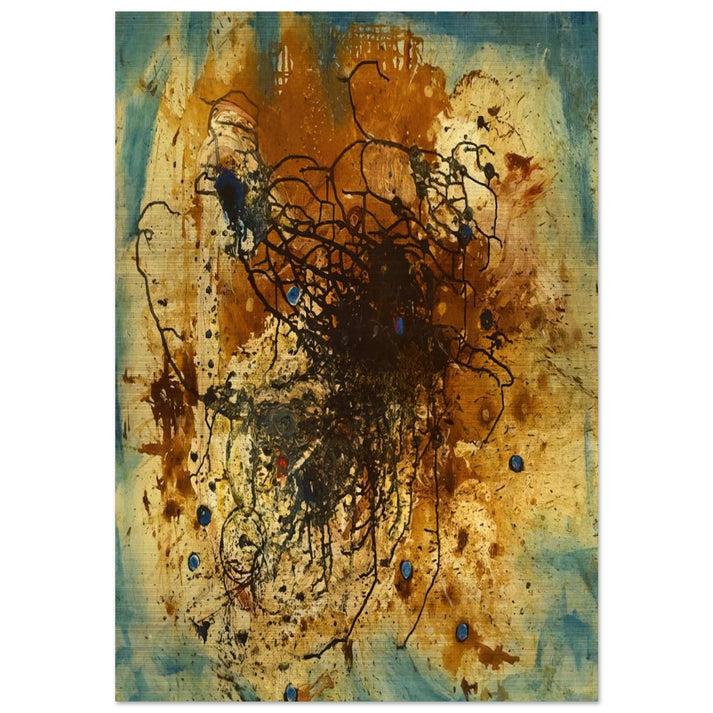
It's All Over - The City - 1947 - Wols Brushed Aluminum Print - 70x100 cm / 28x40 inches | Wols Aluminum Print | Wols Prints
It's All Over - The City - 1947 - Wols Brushed Aluminum Print - 70x100 cm / 28x40 inches | Wols Aluminum Print | Wols Prints
Couldn't load pickup availability
Wols: It's All Over - The City (1947) - Brushed Aluminum Print
Immerse yourself in the raw, existential energy of Wols' 1947 masterpiece, "It's All Over - The City", now available as a premium museum-quality reproduction on brushed aluminum. This iconic work from the post-war era captures the artist's signature blend of Tachisme and abstract expressionism, evoking a haunting, introspective mood that speaks to urban decay and human fragility. RedKalion presents this fine art print with archival precision, ensuring every brushstroke and texture is faithfully rendered for collectors and design enthusiasts.
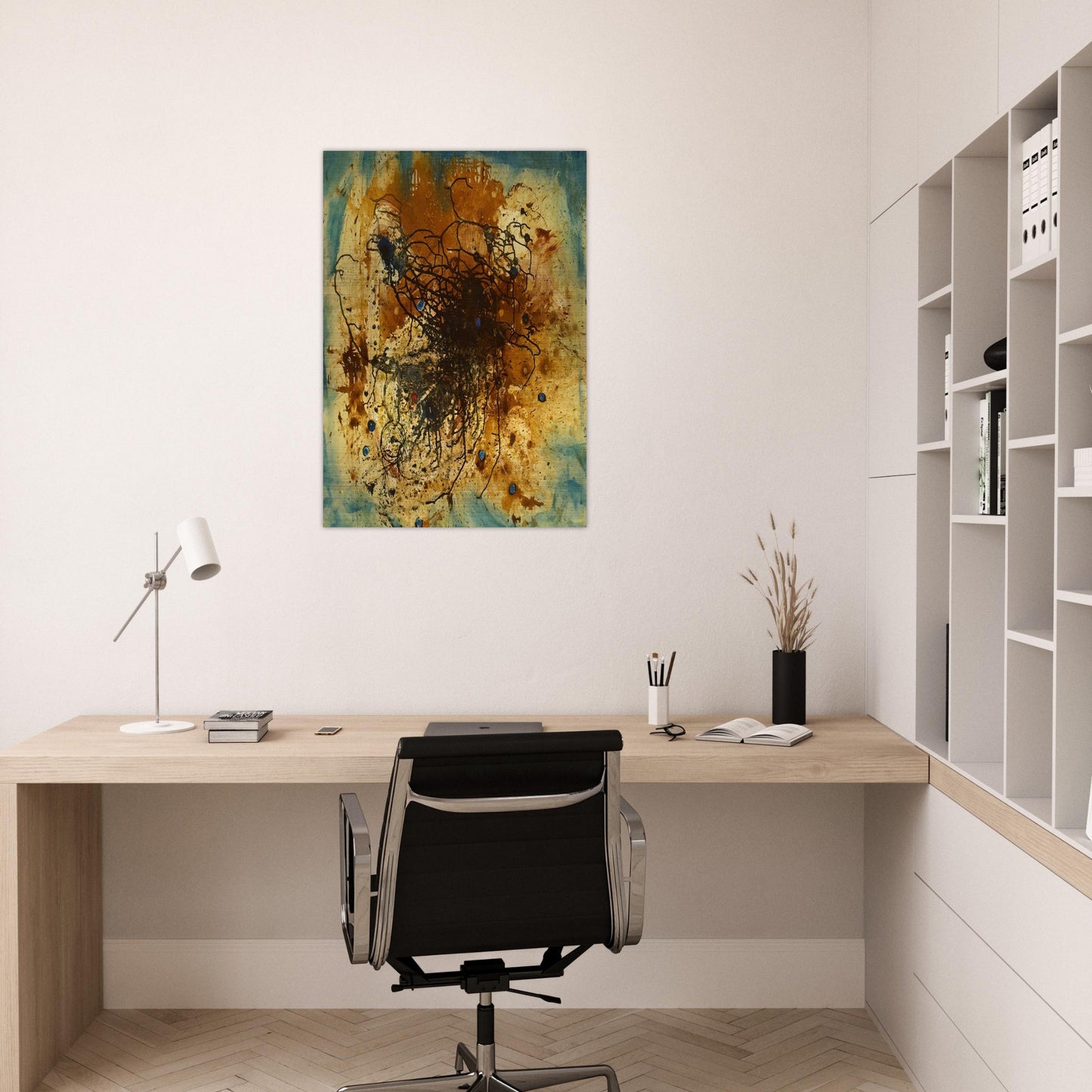
Our Wols aluminum print is crafted on 3mm thick Brushed Silver Aluminum DIBOND®, featuring a horizontal grain that adds dynamic visual depth. The direct print technology delivers vivid contrasts and a matte, glare-free finish, while unprinted areas reveal a striking metallic silver effect—perfect for enhancing the black-and-white composition. Measuring 70x100 cm (28x40 inches), this durable piece includes a hanging kit for effortless display, making it an ideal centerpiece for modern interiors.
Elevate your space with an archival masterpiece that endures, backed by RedKalion's expertise in curating world-class reproductions. This print not only honors Wols' revolutionary technique but also offers a timeless addition to any art collection.


Discover Unlimited Art Possibilities
At RedKalion, you can find virtually any artwork from any artist, available in a wide range of sizes to perfectly match your space.
If you didn’t find what you’re looking for, contact us at support@redkalion.com . We will source any artwork and produce it in any size and format you need, including art prints, posters, canvas, framed pieces, framed canvas, and more.
For dedicated art enthusiasts, we also offer handcrafted replicas of any artwork, carefully painted by highly skilled artists using traditional techniques.
For custom requests, contact us at support@redkalion.com .
What is the historical significance of Wols' "It's All Over - The City" from 1947?
Created in post-war Europe, this work reflects Wols' Tachisme style, blending abstract expressionism with themes of urban despair and existential angst, making it a key piece in mid-20th century art history.
How does the brushed aluminum material enhance this Wols print?
The Brushed Silver Aluminum DIBOND® with a metallic finish and horizontal grain adds dynamic texture, complementing the black-and-white design for a striking, modern look in your fine art collection.
What are the specifications of this museum-quality aluminum print?
This print measures 70x100 cm (28x40 inches), is 3mm thick for durability, features a direct print for vivid colors, and includes a matte, glare-free finish with a hanging kit for easy display.
How is the shipping handled for this Wols brushed aluminum print?
Shipping logistics vary by fulfillment country, with careful packaging to ensure your archival-grade reproduction arrives safely and ready to hang in your space.
Is this Wols print archival and long-lasting?
Yes, it's an archival masterpiece printed directly on Aluminum DIBOND® for fade resistance and durability, ensuring it endures as a premium fine art reproduction for years.
What makes the matte finish ideal for this black-and-white artwork?
The matte, glare-free finish reduces reflections, highlighting the contrasts and brushed silver effect in Wols' design for optimal viewing in any lighting.
Can you describe the technique used in Wols' original 1947 painting?
Wols employed spontaneous, gestural brushstrokes and ink washes, characteristic of Tachisme, to create textured, emotional depth that influenced abstract expressionism.