RedKalion
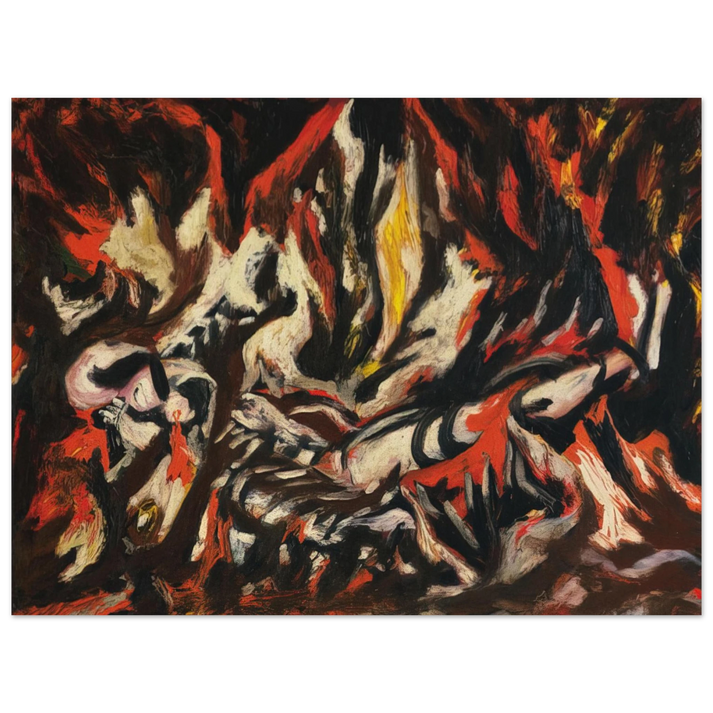
Jackson Pollock - THE FLAME 1938 75x100 cm / 30x40inches Fine Art Poster
Jackson Pollock - THE FLAME 1938 75x100 cm / 30x40inches Fine Art Poster
Couldn't load pickup availability
Jackson Pollock - THE FLAME 1938: A Pioneering Abstract Expressionist Masterpiece
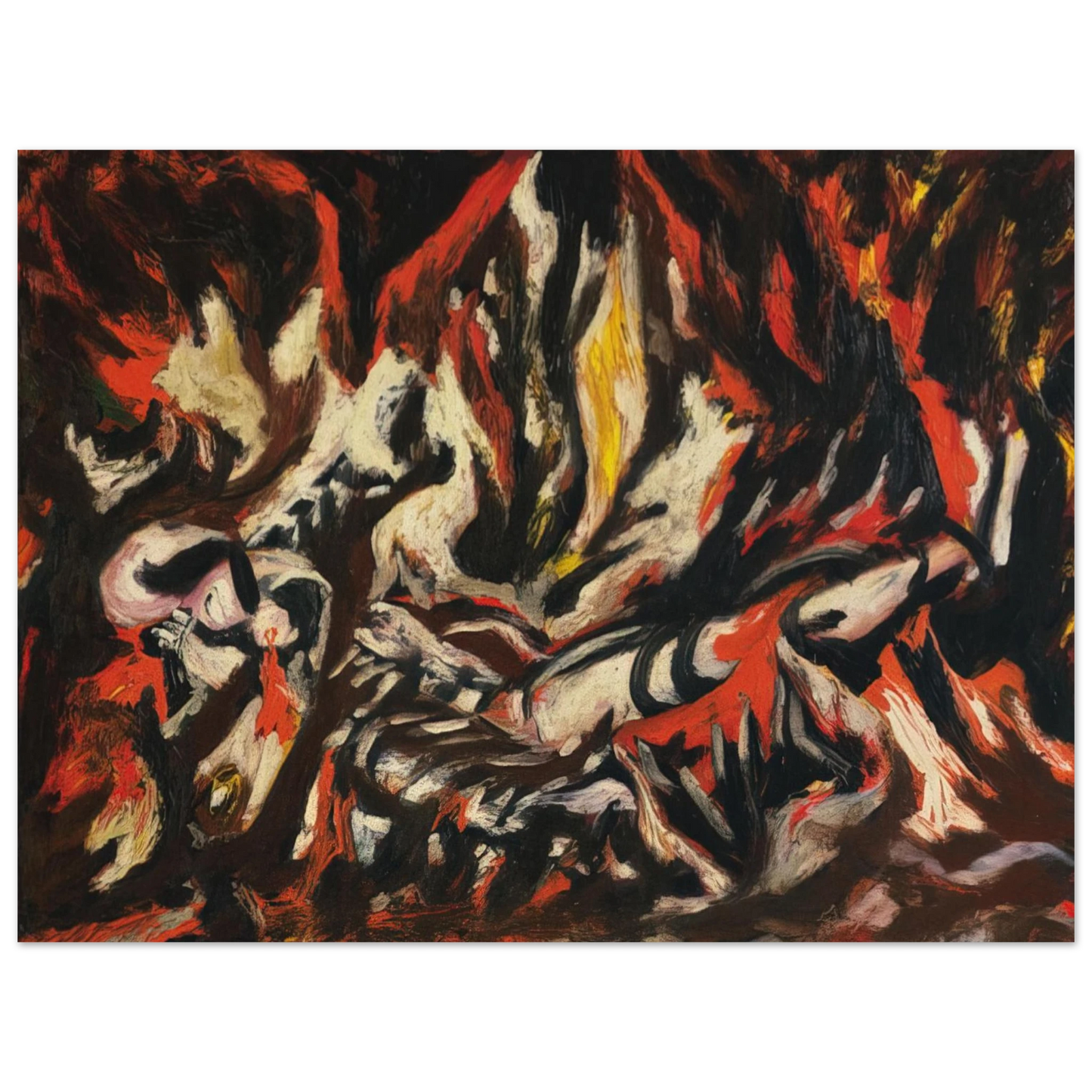
Immerse yourself in the raw, emotive power of Jackson Pollock's THE FLAME 1938, a seminal work from his early abstract period that foreshadowed his revolutionary drip-painting technique. This museum-quality fine art print captures every nuanced brushstroke and dynamic composition, offering a window into Pollock's exploration of subconscious expression and primal energy. Measuring 75x100 cm (30x40 inches), this piece commands attention with its bold, fiery forms and psychological depth, evoking a sense of creative combustion and modernist innovation.
RedKalion presents this archival reproduction on our exclusive Master's Edition archival paper, renowned for its museum-grade durability and luxurious matte finish. The uncoated, natural white (off-white) surface enhances the artwork's texture and tonal richness, while the acid-free composition (pH above 7) ensures it resists yellowing for generations. Crafted from FSC-certified paper with a substantial weight of 250 gsm (110 lb) and a thickness of 0.29 mm (11.4 mils), this print embodies both aesthetic excellence and sustainable craftsmanship. Printed and shipped on demand with no minimum orders, it arrives ready to elevate any contemporary or classic interior with timeless authority.
Art Historical Insight: Created in 1938, THE FLAME reflects Pollock's transition from figurative surrealism to the abstract expressionism that would define his legacy. Influenced by Jungian psychology and Native American sand painting, this work utilizes symbolic, flame-like shapes to channel inner turmoil and creative fervor, showcasing his early mastery of gestural abstraction that predates his famous drip canvases.
Discover Unlimited Art Possibilities
At RedKalion, you can find virtually any artwork from any artist, available in a wide range of sizes to perfectly match your space.
If you didn’t find what you’re looking for, contact us at support@redkalion.com . We will source any artwork and produce it in any size and format you need, including art prints, posters, canvas, framed pieces, framed canvas, and more.
For dedicated art enthusiasts, we also offer handcrafted replicas of any artwork, carefully painted by highly skilled artists using traditional techniques.
For custom requests, contact us at support@redkalion.com .
What are the dimensions and details of this Jackson Pollock print?
This fine art poster measures 75x100 cm (30x40 inches) and reproduces Pollock's 1938 abstract painting THE FLAME, capturing its dynamic brushwork and emotional intensity in a museum-quality archival print.
What type of paper is used for this archival reproduction?
It's printed on Master's Edition archival paper, featuring a matte, uncoated, natural white finish for a luxurious texture and acid-free composition (pH above 7) to prevent yellowing, ensuring long-lasting fine art quality.
How is this print shipped and are there minimum orders?
We print and ship on demand with no minimum orders, using careful packaging to deliver your Jackson Pollock reproduction safely and efficiently to your doorstep.
What makes this print archival and durable?
With 250 gsm weight, 0.29 mm thickness, and acid-free FSC-certified paper, this museum-quality print resists fading and degradation, offering premium longevity for your abstract expressionist art collection.
Can you tell me more about the historical significance of THE FLAME?
Created in 1938, this work marks Pollock's shift toward abstract expressionism, using flame-like forms to explore subconscious themes and prefigure his iconic drip-painting technique in modern art history.
What is the symbolism behind the flame imagery in this Pollock piece?
The flame symbolizes creative energy, inner turmoil, and transformation, reflecting Pollock's interest in Jungian psychology and his move away from figurative surrealism in this early abstract masterpiece.